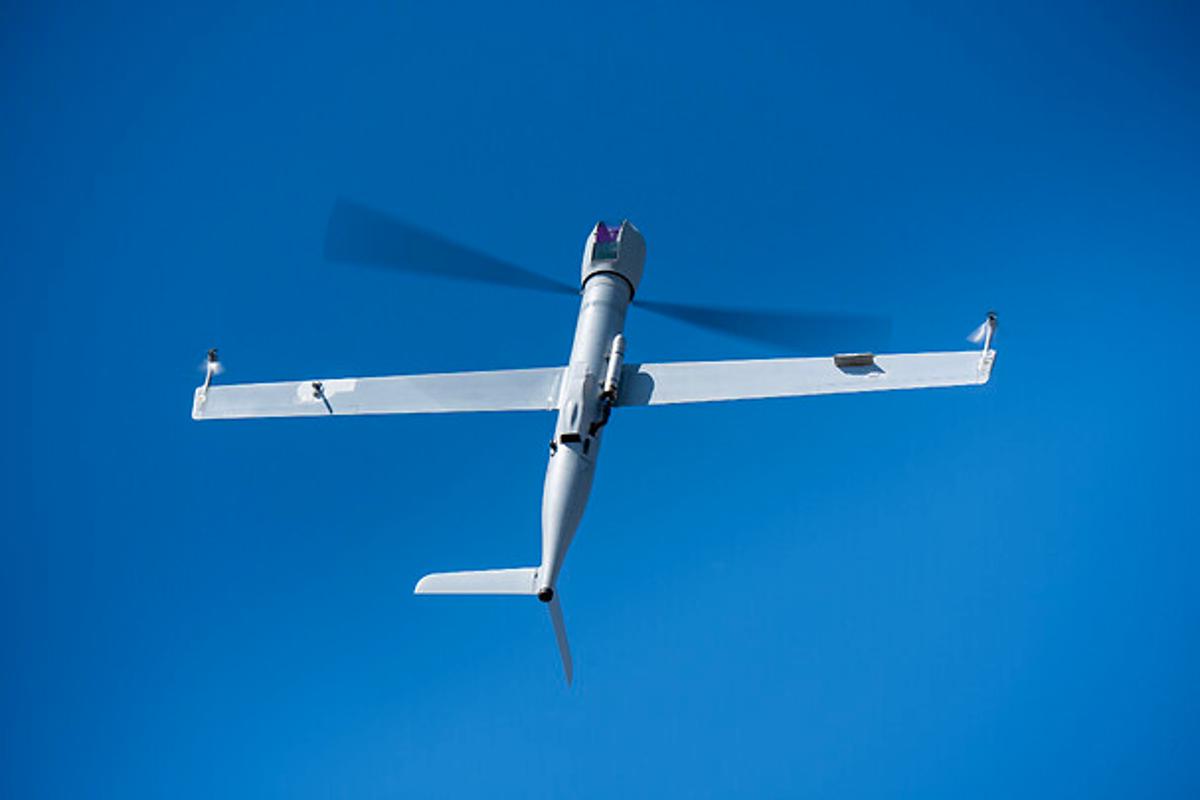
Flexrotor: Nightwatch for the "Three Ds"
Why It Matters
The capability extends aerial surveillance into night hours, reduces crew risk, and helps prevent costly re‑ignitions, addressing the growing demand for year‑round wildfire management.
Key Takeaways
- •Flexrotor operates nightly, covering ‘dull, dirty, dangerous’ fire mapping tasks
- •Precision secured long‑duration Department of Interior aerial mapping contract
- •Infrared audits locate hidden hot spots, preventing post‑containment reignitions
- •Crewed‑uncrewed teaming enables rapid initial‑attack response to emerging embers
- •90‑120 day asset availability shifts from ad‑hoc to continuous coverage
Pulse Analysis
Wildfire activity in the United States has surged over the past decade, stretching fire‑season calendars and straining aerial assets. Helicopters such as the H215 Super Puma and H125 provide heavy water drops, but their availability is limited by crew fatigue, night‑time restrictions, and rising costs. To bridge this gap, Precision Helicopters turned to the Flexrotor, a VTOL uncrewed aerial system that can launch after dark and remain aloft for extended periods. Embedding the drone into a federal, long‑duration mapping contract gives the company a reliable, on‑call eye in the sky that complements its crewed fleet.
The Flexrotor’s core advantage lies in its ability to deliver real‑time geospatial intelligence during the most hazardous phases of a fire. Equipped with high‑resolution video and infrared sensors, the drone flies the fire perimeter at night, feeding GPS‑tagged imagery to a government geospatial specialist. This data stream pinpoints acreage growth and highlights high‑value targets such as power lines or water infrastructure. More critically, the infrared audit uncovers hidden hot spots that satellites miss, enabling ground crews to “mop up” embers before they reignite. The result is a measurable reduction in post‑containment flare‑ups, a key safety metric for fire agencies.
Looking ahead, Precision envisions a seamless handoff between uncrewed and crewed platforms. In an “initial attack” scenario, a Flexrotor could laser an ember or transmit GPS coordinates to an H215, which would then autonomously execute a water drop. Such crewed‑uncrewed teaming promises faster response, lower fuel consumption, and reduced pilot exposure to hazardous conditions. As the Department of Interior expands its long‑duration contract to 90‑120‑day availability, the industry may see broader adoption of similar UAS solutions, prompting regulators to refine airspace rules and insurers to reassess risk models. The integration of Flexrotor drones could become a cornerstone of next‑generation wildfire management.
Flexrotor: Nightwatch for the "Three Ds"
Comments
Want to join the conversation?
Loading comments...