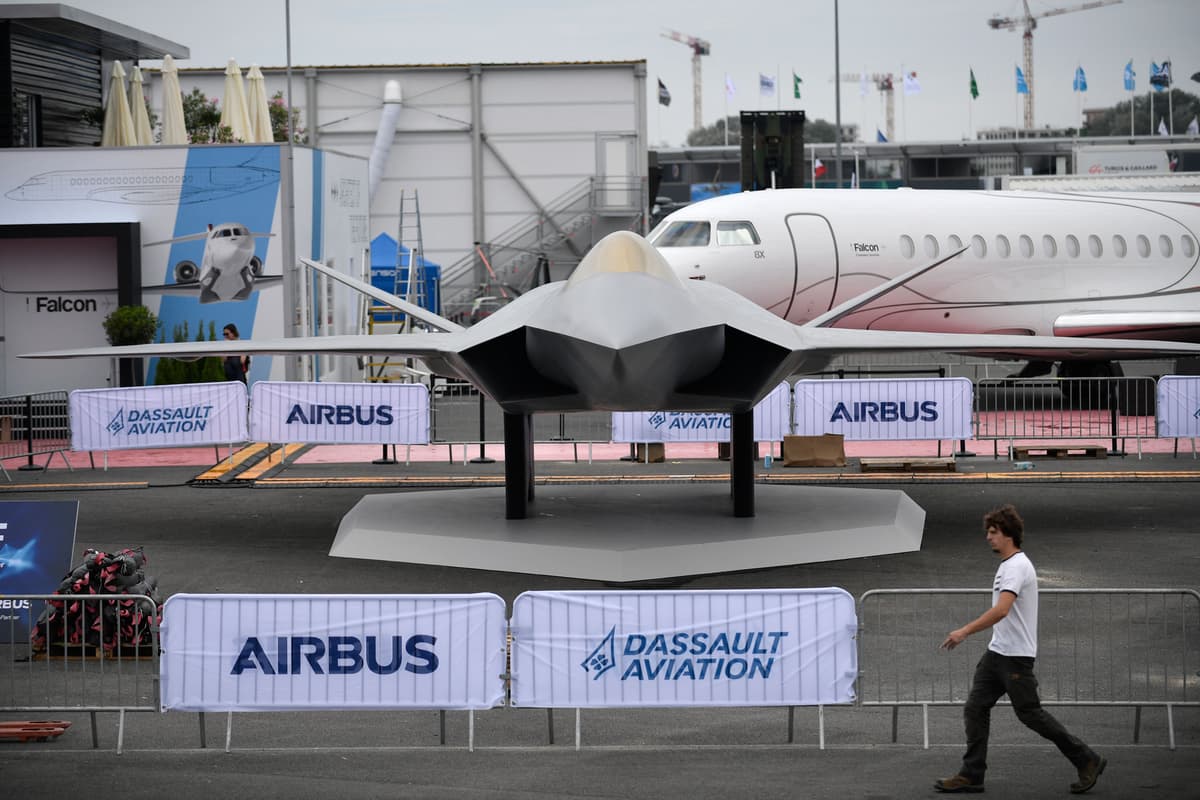
French-German Fighter Program on Life Support as Dassault Blames Airbus
•March 4, 2026
0
Why It Matters
The deadlock jeopardizes Europe’s ambition for a sovereign combat aircraft, potentially reshaping defense procurement and industrial cooperation across the continent.
Key Takeaways
- •Dassault accuses Airbus of abandoning joint fighter work
- •Leadership dispute threatens FCAS program continuation
- •Germany favors two‑aircraft solution, France opposes
- •Dassault claims it can build fighter for under €50bn
- •Governments expected to arbitrate partnership deadlock
Pulse Analysis
The Future Combat Air System was launched in 2017 as a flagship Franco‑German effort to replace legacy fighters with a stealthy, networked platform. The initiative is divided into pillars covering engines, drones, and a combat data cloud, with Dassault leading the fighter pillar and Airbus handling other subsystems. This collaborative model was intended to pool expertise and share costs, positioning Europe as a competitor to U.S. and Russian defense giants.
Tensions have now erupted into a public standoff. Dassault’s chief executive argues that Airbus is reneging on its contractual obligations and pushing a "co‑co‑co" construction model that dilutes French leadership. In response, German aerospace bodies and the IG Metall union advocate a two‑aircraft solution, effectively splitting the program into separate French and German tracks. Airbus, while silent on specifics, has signaled willingness to lead a restructured effort, leaving the future of a single, unified fighter uncertain.
The fallout extends beyond the FCAS itself. A prolonged impasse could force European nations to seek alternative suppliers or accelerate independent national programs, undermining the continent’s strategic autonomy. Dassault’s claim that it can deliver a next‑generation jet for under €50 billion suggests a viable, albeit solo, path for France, while Germany may look to existing platforms like the Eurofighter. The outcome will influence defense budgets, industrial jobs, and the balance of power in the global aerospace market.
French-German fighter program on life support as Dassault blames Airbus
0
Comments
Want to join the conversation?
Loading comments...