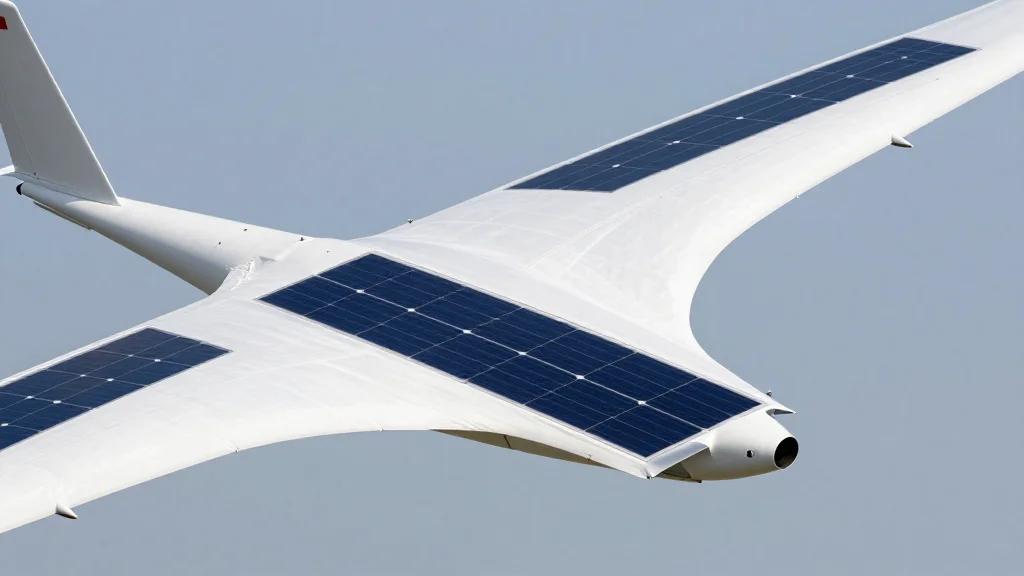
French Startup Develops Pneumatic-Wing Cargo Drone
Why It Matters
If the dAS10 meets its efficiency claims, it could lower energy consumption for freight drones and enable deployable, field‑repairable platforms, challenging conventional multi‑rotor and fixed‑wing solutions in the logistics market.
Key Takeaways
- •Pneumatic textile wing replaces heavy composite structures
- •Six‑hour battery endurance and 300 km range claimed
- •Foldable design enables easy transport and field repairs
- •Solar panels add potential extra flight time
- •Slower speed and weather sensitivity limit operations
Pulse Analysis
Celeste Ecoflyers’ dAS10 introduces a novel pneumatic wing concept that swaps out traditional carbon‑fiber spars for a pressurised textile envelope. By inflating the wing, the aircraft achieves lift with a fraction of the structural mass, resulting in ultra‑low wing loading and markedly reduced power draw per kilogram of cargo. The eight‑meter fixed‑wing platform also incorporates lightweight solar cells across its flat upper surface, harvesting daylight energy to supplement the lithium‑ion battery and potentially push beyond the six‑hour, 300‑kilometre baseline.
The design’s endurance‑first philosophy targets a niche in long‑range, low‑speed cargo logistics where energy efficiency outweighs speed. Operators could deploy the dAS10 to remote or underserved locations, benefitting from its foldable wing that fits into standard transport containers and its ability to be patched on‑site after punctures—features that cut downtime and maintenance costs compared with rigid‑wing drones. However, the trade‑off includes heightened sensitivity to wind and precipitation, limiting operations to favourable weather windows, and an unverified payload capacity that may constrain commercial viability.
Looking ahead, the dAS10’s success hinges on regulatory acceptance under France’s UAS framework and its ability to demonstrate real‑world cost savings. If proven, the pneumatic‑wing approach could inspire a new class of sustainable drones, prompting larger players to explore hybrid structures that blend lightweight fabrics with renewable energy. Conversely, entrenched manufacturers may double down on high‑speed, all‑weather platforms, leaving Celeste to carve out a specialized market segment focused on endurance and low‑cost freight delivery.
French startup develops pneumatic-wing cargo drone
Comments
Want to join the conversation?
Loading comments...