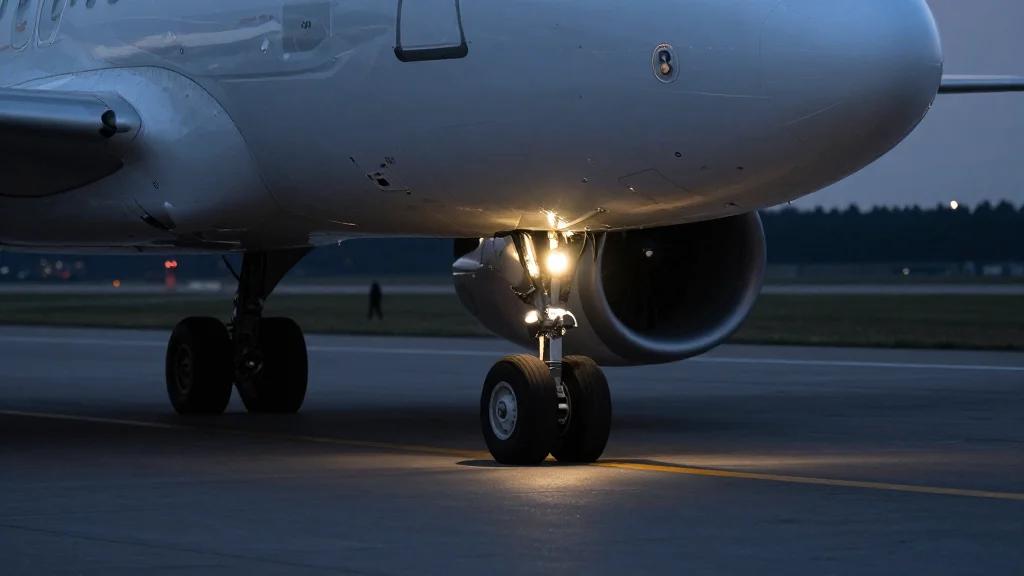
Frontier Airbus A321 Hits Person on Denver Runway, Pilots Abort Takeoff

Companies Mentioned
Why It Matters
The runway intrusion at Denver International Airport underscores a rare but high‑impact safety failure that could reshape security standards across the U.S. aviation system. A breach that allows a person to walk onto an active departure path not only endangers lives on board but also threatens the broader operational integrity of a major hub, potentially causing cascading delays and revenue losses for airlines and the airport alike. If investigators uncover systemic security gaps, the FAA may mandate stricter perimeter fencing, enhanced lighting, and real‑time video analytics at all Class B and C airports. Such regulatory changes would drive significant capital expenditures for airport operators, while airlines could face tighter slot controls and higher compliance costs. The incident also serves as a reminder that even well‑established safety cultures must continuously adapt to emerging threats, from unauthorized runway access to cyber‑enabled sabotage.
Key Takeaways
- •Frontier Flight 4345 (Airbus A321) struck an unknown individual on Runway 17L at Denver International Airport at 11:19 p.m. Friday.
- •Pilots aborted takeoff, reported an engine fire, and evacuated all 231 passengers and crew.
- •Denver Fire Department extinguished the fire; one passenger suffered a minor injury.
- •Runway 17L remains closed pending NTSB and Denver Police investigations into the runway breach.
- •The incident prompts a FAA review of airport perimeter security and may lead to stricter RSA standards.
Pulse Analysis
The Denver runway breach is a textbook case of how a single security lapse can cascade into a multi‑agency emergency response, highlighting the thin line between routine operations and crisis. Historically, runway incursions have been dominated by aircraft‑to‑aircraft or vehicle‑to‑aircraft events; a person on the runway is far rarer, yet the consequences are equally severe. The incident will likely accelerate the FAA’s ongoing push for advanced perimeter detection technologies, such as AI‑driven video analytics and automated fencing breach alerts, which have been piloted at a handful of high‑traffic airports but have not yet become industry‑wide standards.
From an airline perspective, Frontier’s swift evacuation and transparent communication mitigate reputational damage, but the operational ripple effects could be significant. With Runway 17L out of service, DEN will have to reroute traffic to Runways 16R/34L and 17R/35L, potentially increasing ground‑delay minutes and affecting on‑time performance metrics for all carriers. Frontier’s own schedule may see a modest dip in capacity, but the airline’s broader strategic positioning—especially after the recent Spirit Airlines exit—means it will be watching closely for any opportunity to capture displaced passengers on the West Coast routes.
Looking ahead, the NTSB’s findings will set a precedent for how airports address human‑intrusion threats. If the investigation attributes the breach to inadequate fencing or surveillance blind spots, we can expect a wave of regulatory guidance that will force airports to invest in next‑generation security infrastructure. For the industry, the incident serves as a stark reminder that safety is a moving target; continuous investment in both physical and digital safeguards is essential to protect passengers, crews, and the complex ecosystem that keeps the skies open.
Frontier Airbus A321 Hits Person on Denver Runway, Pilots Abort Takeoff
Comments
Want to join the conversation?
Loading comments...