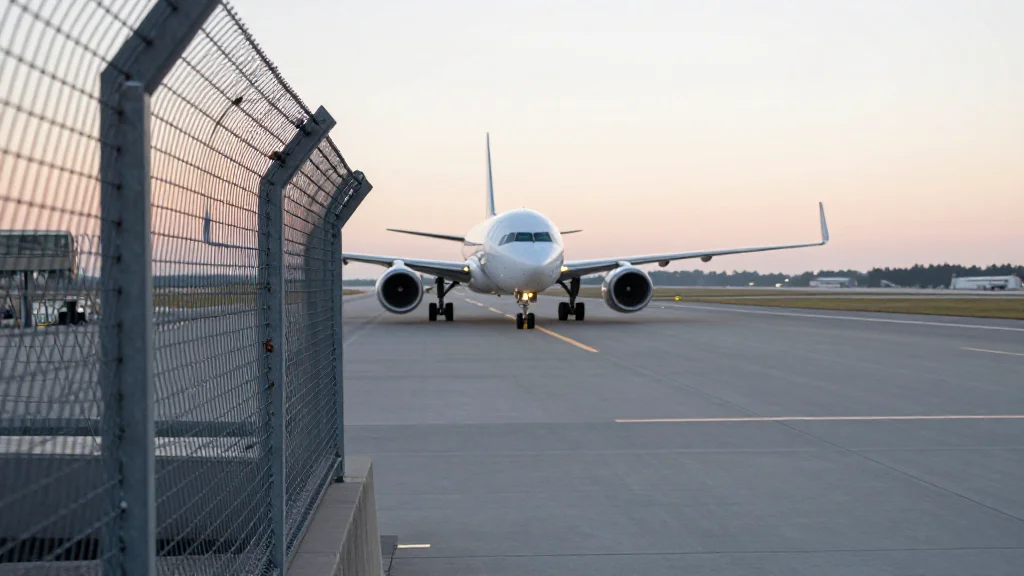
Frontier Flight 4345 Hits Pedestrian on Denver Runway, One Dead, 12 Injured

Companies Mentioned
Why It Matters
The Denver runway breach highlights a rare but catastrophic failure point in airport security architecture. While passenger screening and cockpit safety have seen continuous upgrades, the outer perimeter remains a soft target. A single unauthorized entry can trigger an engine fire, endanger lives, and disrupt operations at a hub that handles over 70 million passengers annually. The incident therefore pressures regulators and airport operators to allocate resources toward perimeter detection, potentially reshaping capital expenditure priorities across the U.S. aviation system. Beyond safety, the event carries financial implications. Runway closures affect airline schedules, ground handling fees, and ancillary revenue streams. Frontier Airlines avoided a major incident thanks to crew training, but the cost of emergency response, passenger re‑booking, and possible litigation could run into millions of dollars. The broader industry may see insurance premiums rise for runway‑related liabilities, prompting airlines to lobby for clearer guidance on perimeter security standards.
Key Takeaways
- •Frontier Flight 4345 struck a trespasser on Denver’s Runway 17L during takeoff, killing the individual.
- •12 passengers injured (5 hospitalized); all 231 occupants evacuated safely.
- •Pilot’s radio transmission: "We’re stopping on the runway… we have an engine fire."
- •Transportation Secretary Sean Duffy warned, "No one should EVER trespass on an airport."
- •FAA, TSA, NTSB, and local law enforcement launched joint investigations into the breach.
Pulse Analysis
The Denver incident is a stark reminder that aviation safety is only as strong as its weakest link. Historically, runway incursions have involved vehicles or aircraft, not pedestrians, making this case an outlier that will likely reshape risk models. Insurers and regulators will now factor perimeter breach scenarios into safety assessments, potentially leading to higher premiums for carriers operating from airports with older fencing infrastructure.
From a competitive standpoint, airports that invest early in next‑generation perimeter technologies could market themselves as safer hubs, attracting airlines seeking to minimize disruption risk. Companies specializing in radar‑based intrusion detection, lidar fences, and AI‑enhanced video surveillance stand to benefit from a surge in procurement budgets. Conversely, airports that delay upgrades may face heightened scrutiny from the FAA, which could impose operational restrictions or mandate costly retrofits.
Looking ahead, the NTSB’s findings will set the precedent for how the industry addresses non‑employee runway incursions. If the investigation attributes the breach to a simple fence gap, we may see a wave of physical upgrades. If human factors—such as inadequate patrols or delayed response—are highlighted, procedural reforms and staffing changes could dominate the response. Either outcome underscores a broader shift: safety is moving from a purely in‑flight focus to an integrated, airport‑wide ecosystem that must guard against threats from the perimeter inward.
Frontier Flight 4345 Hits Pedestrian on Denver Runway, One Dead, 12 Injured
Comments
Want to join the conversation?
Loading comments...