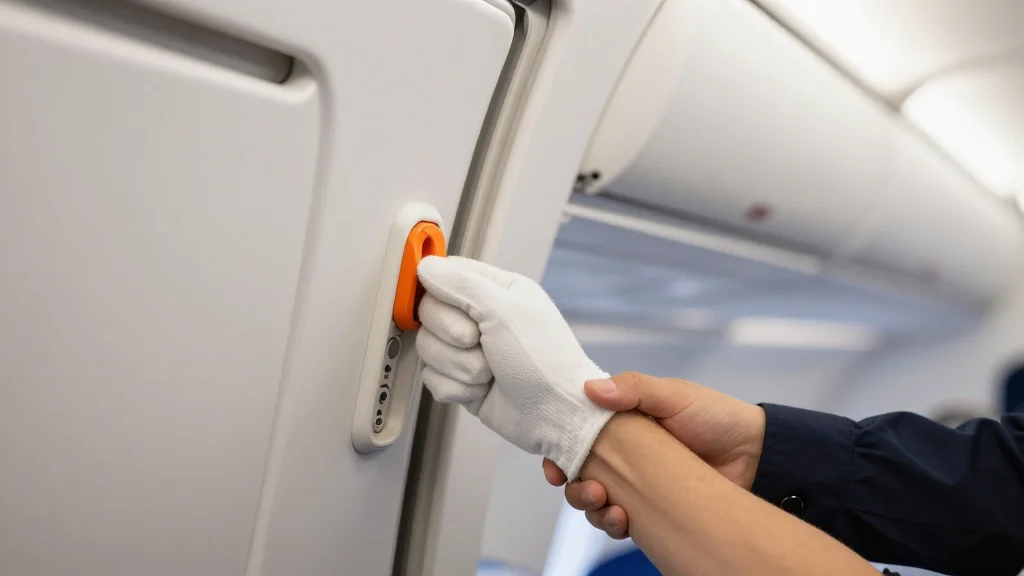
Frontier Flight Diverts to Miami After Passenger Tries to Open Exit Door

Companies Mentioned
Why It Matters
The diversion of Frontier Flight 3345 highlights the operational and safety vulnerabilities that arise when a passenger becomes violent in the cabin. Even though aircraft doors cannot be opened at altitude, attempts to breach them can distract pilots, delay emergency response, and force costly unscheduled landings. The incident also brings attention to the role of passenger‑initiated restraint, raising questions about liability, training, and the potential need for standardized protocols across carriers. Regulators may use this case to reassess existing FAA guidelines on cabin‑crew authority and the deployment of off‑duty staff. Airlines could face pressure to invest in additional training for crew and passengers alike, especially as mental‑health issues and substance‑abuse incidents appear to be on the rise. The financial impact of diversions—fuel costs, crew overtime, and passenger compensation—adds an economic dimension that could influence future policy decisions.
Key Takeaways
- •Frontier Airlines Flight 3345 diverted to Miami after a passenger attempted to open an emergency exit door.
- •Passenger Juan Reyes was arrested on misdemeanor battery charges; the FBI opened a related investigation.
- •Former MMA fighter Josh Longood restrained the disruptive passenger for up to 40 minutes, preventing injury.
- •FAA confirmed the diversion was due to a passenger disturbance; airline announced an internal safety review.
- •The incident adds to a series of mid‑air disruptions prompting industry calls for stricter cabin‑security protocols.
Pulse Analysis
The Frontier incident is a microcosm of a broader trend: increasing passenger volatility intersecting with heightened security expectations. While the physics of modern aircraft doors make a successful opening at cruise altitude impossible, the mere attempt can trigger emergency procedures that are costly and disruptive. Airlines have traditionally relied on crew de‑escalation, but the involvement of a passenger with combat training—Josh Longood—suggests a gap in formalized response mechanisms. Companies may soon consider integrating trained civilian volunteers or expanding the role of off‑duty crew to act as first responders, a model already used by some carriers during high‑risk flights.
From a regulatory standpoint, the FAA is likely to scrutinize the incident for compliance with existing cabin‑security rules. Past incidents have led to incremental policy shifts, such as mandatory behavioral‑risk training for flight attendants and stricter enforcement of the “no‑open‑door” rule. If investigations reveal systemic lapses—e.g., inadequate reporting of early signs of disturbance—new mandates could emerge, potentially requiring airlines to adopt real‑time monitoring tools or AI‑driven threat detection.
Financially, unscheduled diversions like this one erode airline margins, especially for low‑cost carriers operating thin profit spreads. The cost of fuel burn, crew overtime, and passenger accommodations can easily exceed $10,000 per diversion, not counting reputational damage. As airlines grapple with rising fuel prices and competitive pressure, any incident that forces a deviation from the schedule becomes a strategic liability. The Frontier case may accelerate industry dialogue on balancing cost efficiency with robust safety nets, prompting a reevaluation of how airlines allocate resources to cabin security versus other operational priorities.
Frontier Flight Diverts to Miami After Passenger Tries to Open Exit Door
Comments
Want to join the conversation?
Loading comments...