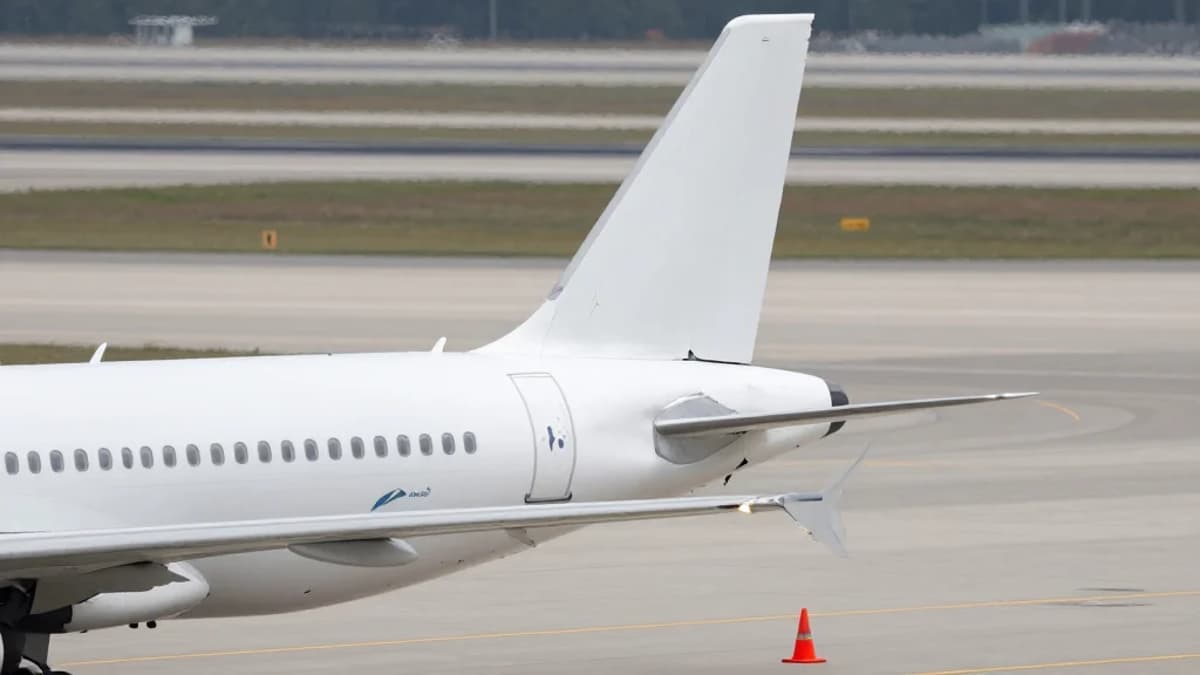
Frontier Sues American Airlines For $100,000+ After Collision At Miami International Airport Badly Damaged Plane
•February 10, 2026
0
Why It Matters
The case underscores the financial and reputational risk airlines face from ground‑handling failures and highlights the need for stricter pushback safety protocols across the industry.
Key Takeaways
- •Frontier seeks >$100k for repair and lost revenue.
- •Collision grounded A321neo six months, delaying service.
- •Lawsuit alleges American’s negligent pushback training.
- •Similar 2024 Boston incident indicates recurring safety lapses.
- •Partial settlement covered repairs, not operational damages.
Pulse Analysis
Ground collisions, though less publicized than in‑flight accidents, represent a growing safety concern for airlines. Pushback operations involve complex coordination between pilots, ground crews, and equipment, and any deviation from standard procedures can quickly turn a routine maneuver into a costly incident. Recent industry data shows a modest rise in ground‑damage reports, prompting regulators to scrutinize training curricula and the enforcement of safety buffer zones around parked aircraft. Understanding these dynamics helps carriers mitigate risk before costly litigation ensues.
Frontier’s lawsuit against American Airlines brings the financial stakes of such mishaps into sharp focus. Beyond the immediate $100,000‑plus repair bill, Frontier claims lost revenue from a six‑month aircraft grounding, ongoing lease obligations, and broader operational disruptions. For a low‑cost carrier, a single out‑of‑service aircraft can erode quarterly earnings and strain capacity planning. The partial settlement that covered only repair costs leaves open the possibility of further compensation, illustrating how unresolved damages can extend legal exposure and affect balance sheets long after the physical repair is complete.
The broader implication for the aviation sector is a renewed emphasis on safety culture and regulatory compliance. Repeated incidents involving the same carrier suggest systemic deficiencies that may trigger audits from the FAA or DOT, potentially leading to mandated procedural overhauls and increased training requirements. Airlines are likely to invest in advanced ground‑collision avoidance technologies and reinforce supervision of pushback crews to protect both assets and brand reputation. As litigation costs rise, proactive safety management becomes not just a compliance issue but a strategic imperative for maintaining profitability and passenger confidence.
Frontier Sues American Airlines For $100,000+ After Collision At Miami International Airport Badly Damaged Plane
0
Comments
Want to join the conversation?
Loading comments...