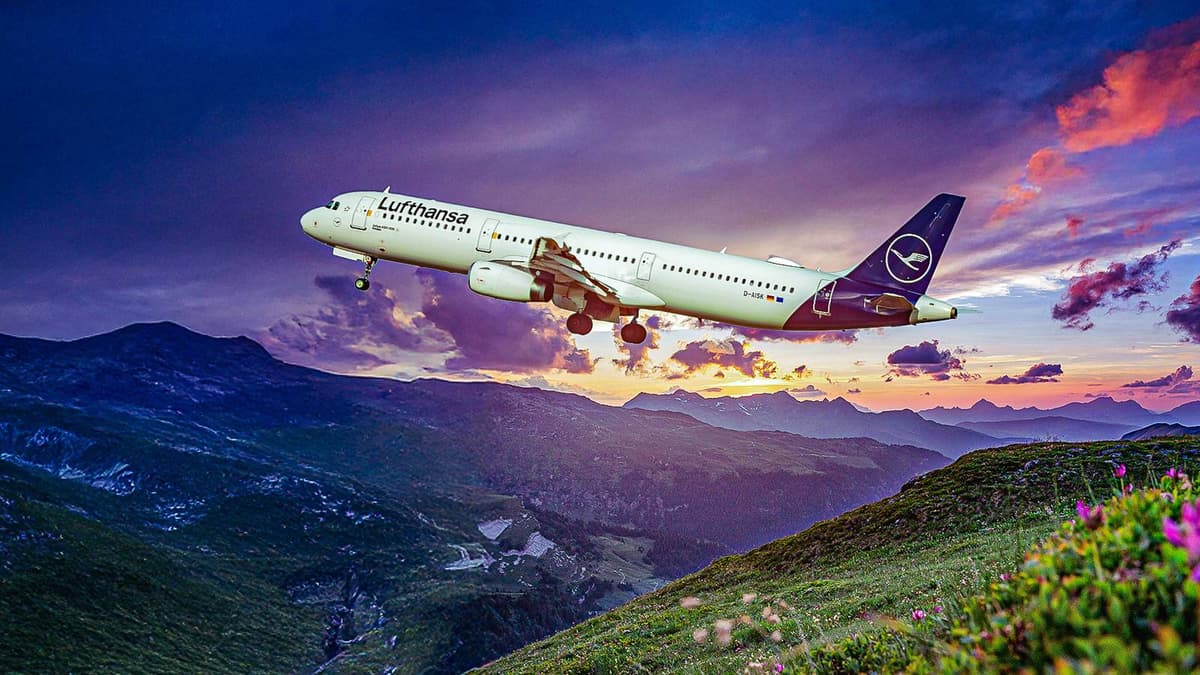
Fuel Price Crisis: This Major Airline Just Cut 20,000 Summer Flights
Companies Mentioned
Why It Matters
The move safeguards Lufthansa’s profitability amid soaring fuel costs and signals a broader industry shift toward network rationalization and fleet simplification.
Key Takeaways
- •Lufthansa cuts 20,000 short‑haul flights through October.
- •Expected fuel savings exceed 40,000 metric tons this summer.
- •Cuts target unprofitable routes across German and non‑German hubs.
- •CityLine closure and aircraft retirements accelerate fleet simplification.
Pulse Analysis
The recent spike in jet‑fuel prices, driven by heightened geopolitical tension after the US‑Israeli strikes on Iran, has forced airlines to reassess cost structures. Fuel now costs roughly twice what it did before the conflict, eroding margins especially for carriers with dense short‑haul networks. Lufthansa, Europe’s largest flag carrier, is among the first to publicly quantify the impact, projecting a reduction of over 40,000 metric tons of fuel consumption by trimming 20,000 flights.
Lufthansa’s strategy combines immediate schedule cuts with longer‑term structural changes. By eliminating routes that consistently under‑perform, the airline not only curtails fuel burn but also frees capacity for more profitable corridors. The decision aligns with the accelerated shutdown of its regional subsidiary CityLine and the retirement of aging Airbus A340‑600s and Boeing 747‑400s, streamlining the fleet toward newer, more fuel‑efficient aircraft. While the cuts represent only a 1 % dip in total seat‑kilometre capacity, they affect a diverse set of destinations—from Cork to Trondheim—potentially reshaping regional connectivity.
The broader market is likely to echo Lufthansa’s approach as carriers worldwide grapple with volatile energy costs. Airlines may increasingly prioritize network optimization, dynamic pricing, and investment in sustainable aviation fuel to mitigate exposure. Passengers could face reduced frequency on secondary routes, but the emphasis on preserving long‑haul services suggests major hubs will retain robust connectivity. Ultimately, Lufthansa’s actions underscore how fuel price volatility can accelerate industry consolidation and drive a faster transition to a leaner, greener fleet.
Fuel Price Crisis: This Major Airline Just Cut 20,000 Summer Flights
Comments
Want to join the conversation?
Loading comments...