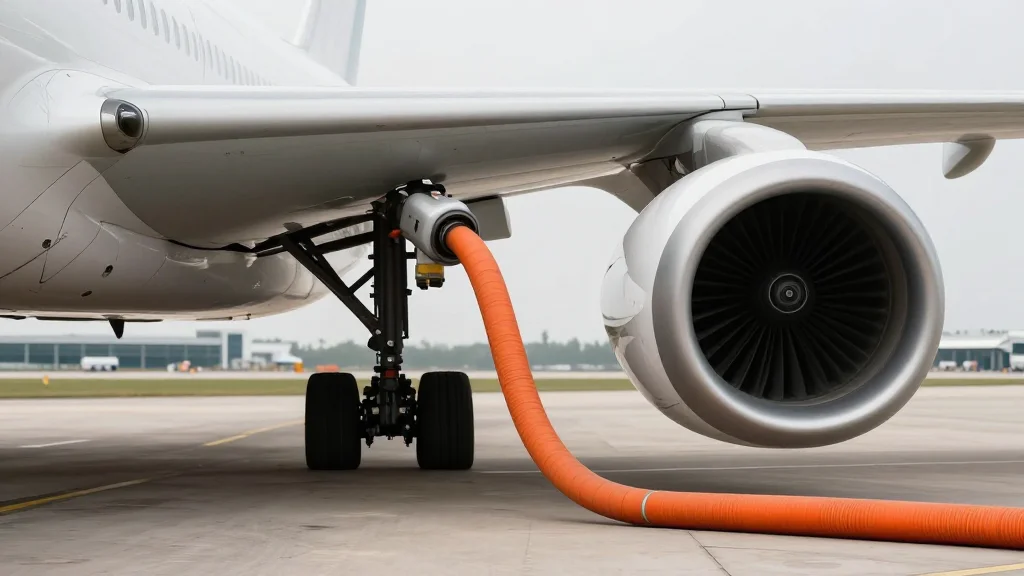
Fuel Price Shock Forces Airlines to Slash Capacity Ahead of IATA Rio Summit

Companies Mentioned
Why It Matters
The rapid rise in jet fuel prices threatens to reshape the airline industry's cost structure, forcing carriers to either cut capacity, raise fares or seek consolidation. With fuel accounting for up to 30% of operating expenses, sustained price pressure could erode profitability, especially for low‑margin carriers, and accelerate a wave of bankruptcies and mergers. The outcomes of the IATA summit will influence how airlines hedge fuel, negotiate supply contracts, and coordinate on sustainability initiatives such as sustainable aviation fuel, which is also seeing price spikes. Beyond balance sheets, the capacity cuts affect passengers through reduced flight frequencies, higher ticket prices and longer airport wait times, especially in Europe where the new Entry/Exit System adds processing delays. The combined effect could dampen the post‑pandemic travel rebound, alter route networks, and shift competitive dynamics between legacy carriers, Gulf airlines and emerging low‑cost players.
Key Takeaways
- •Jet fuel prices hit $4.50‑$4.90 per gallon, nearly double pre‑war levels.
- •Airlines have cut more than 75,000 flights, removing ~500,000 seats from summer 2026 schedules.
- •IATA director‑general Willie Walsh warns of increased bankruptcies and consolidation.
- •Emirates trimmed its June schedule by up to 16% but relies on hedging through 2028.
- •EU Entry/Exit System could cause passenger wait times of up to six hours this summer.
Pulse Analysis
The current fuel price shock is a classic external shock that tests the resilience of the airline industry's business models. Legacy carriers have historically used long‑term hedging to smooth out price volatility, but the scale of today's surge exceeds many contracts, forcing even well‑capitalised airlines to trim capacity. Low‑cost carriers, which operate on razor‑thin margins, lack the financial buffers to absorb such spikes, making them the most vulnerable to cash‑flow crises. This asymmetry is likely to accelerate a wave of strategic M&A, as stronger players seek to acquire market share and route rights at distressed valuations.
From a strategic perspective, the fuel shock also re‑energises the push for sustainable aviation fuel (SAF). While SAF prices have risen from $2,000 to $3,000 per tonne, the gap between conventional and green jet fuel underscores the need for policy incentives and scalable production. IATA’s call for a “book‑and‑claim” system could unlock demand for SAF without requiring physical delivery, potentially stabilising the market and offering a hedge against future fossil‑fuel price spikes.
Finally, the operational fallout – longer flight paths, airspace closures, and the EU’s new border‑control system – compounds the cost pressure by increasing crew duty times and reducing aircraft utilisation. Airlines that can adapt quickly, either by re‑routing efficiently or by leveraging digital tools to streamline passenger processing, will preserve more of their revenue base. The Rio summit will be a litmus test: will the industry emerge with coordinated fuel‑risk strategies and a clear consolidation roadmap, or will fragmented responses deepen the financial strain on carriers worldwide?
Fuel price shock forces airlines to slash capacity ahead of IATA Rio summit
Comments
Want to join the conversation?
Loading comments...