GE, Rolls-Royce Get Contracts to Advance Autonomous Drone Engine Designs
Companies Mentioned
Why It Matters
These contracts accelerate the development of cost‑effective, high‑performance engines that will enable autonomous drones to operate alongside manned fighters, reshaping combat airpower and opening new market opportunities for defense aerospace firms.
Key Takeaways
- •GE awarded firm‑fixed‑price contract for GE426 engine design review
- •Rolls‑Royce Liberty Works wins contract under same Air Force solicitation
- •ACP drones aim to augment manned aircraft in contested environments
- •Both firms target modular, digital‑engineered propulsion for medium‑thrust UAVs
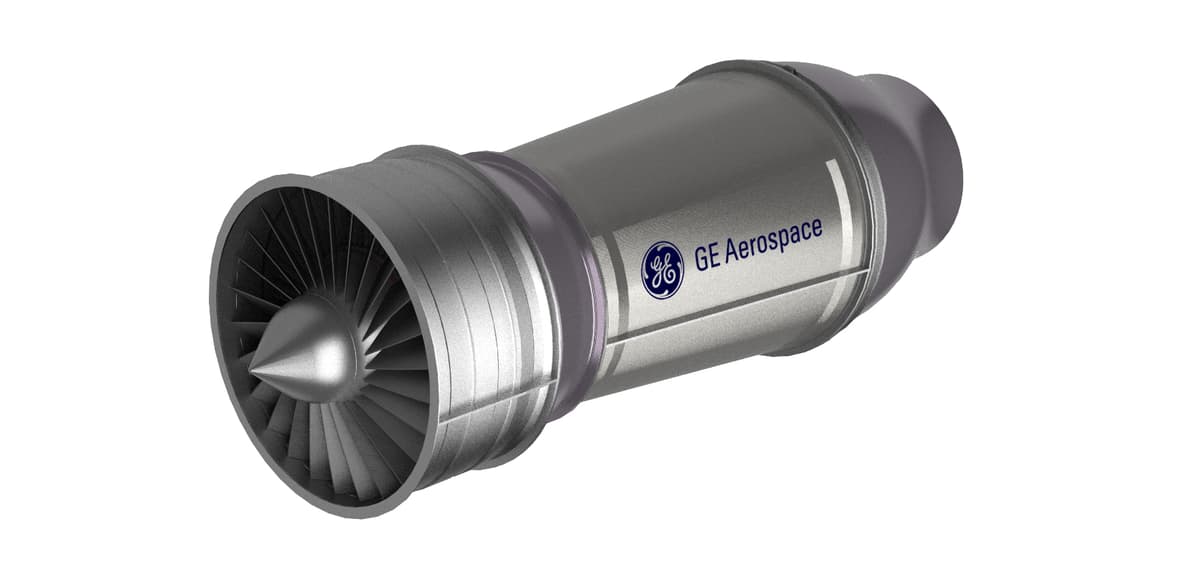
- •GE426 prototype progressed from concept to design review by Aug 2025
Pulse Analysis
The Air Force’s Autonomous Collaborative Platform (ACP) program reflects a broader shift toward swarming, low‑cost aerial assets that can operate in highly contested airspaces. By pairing autonomous drones with traditional manned aircraft, the service aims to increase sortie rates and mission flexibility without the expense of full‑scale fighter fleets. Central to this vision is a new class of medium‑thrust engines that balance power, efficiency, and rapid producibility, prompting the service to tap the Propulsion Consortium Initiative 2.0 for accelerated development.
GE Aerospace’s GE426 engine and Rolls‑Royce’s AE family represent two divergent but complementary approaches to the ACP propulsion challenge. GE’s GE426, built from the ground up for medium‑thrust UAVs, has already cleared its concept design review and now moves toward a preliminary design review, emphasizing modular open‑systems architecture and digital engineering. Rolls‑Royce leverages its proven AE 3007 lineage—already powering the Navy’s MQ‑25 Stingray and the RQ‑4 Global Hawk—adapting it for the higher‑performance demands of autonomous combat platforms. Both firms are employing rapid software development cycles and additive manufacturing techniques to shrink development timelines and lower unit costs.
The contracts signal a strategic inflection point for the defense aerospace market. As the Air Force prioritizes autonomous platforms, engine manufacturers that can deliver scalable, cost‑effective propulsion will capture a growing share of defense spending. The partnership also underscores the importance of the Other Transaction Authority, which allows faster, less bureaucratic procurement. In the longer term, successful ACP engine integration could spill over into commercial UAVs and civilian applications, expanding the commercial addressable market for these advanced propulsion technologies.
GE, Rolls-Royce Get Contracts to Advance Autonomous Drone Engine Designs
Comments
Want to join the conversation?
Loading comments...