Germany Is Considering Purchasing More US F-35 Fighters.
•February 19, 2026
0
Companies Mentioned


Why It Matters
The decision underscores Europe’s difficulty achieving defense self‑sufficiency while reinforcing U.S. strategic influence within NATO’s air power framework.
Key Takeaways
- •Germany may buy over 35 more F‑35s.
- •FCAS program stalls amid Franco‑German industrial disputes.
- •New jets will replace Tornadoes as nuclear‑sharing carriers.
- •Purchase extends reliance on U.S. defense technology.
- •Provides time to develop a sixth‑generation fighter plan.
Pulse Analysis
Germany’s potential F‑35 expansion arrives at a pivotal moment for its air‑defence strategy. The original 35‑jet contract, signed in 2022, was intended to replace aging Tornado fleets and secure the country’s role in NATO’s nuclear‑sharing arrangement, as the F‑35 is the sole Western platform certified to carry the B61 bomb. Deliveries are set to begin later this year, and an additional order would not only sustain operational readiness but also ensure continuity of the nuclear deterrent amid shifting geopolitical tensions.
Meanwhile, the Future Combat Air System (FCAS), a €100‑billion Franco‑German initiative to field a next‑generation fighter by 2040, has hit a deadlock. Disagreements over industrial workshare, particularly IG Metall’s opposition to Dassault’s involvement, have stalled progress and raised doubts about the programme’s viability. As the partnership falters, both nations are recalibrating their collaborative focus toward unmanned systems and digital integration, leaving a capability gap that the extra F‑35s temporarily fill. This development illustrates the broader challenge Europe faces in building indigenous high‑tech weaponry without compromising on timelines or interoperability.
Strategically, Germany’s inclination toward more American jets signals a pragmatic acknowledgment of current capability gaps and the urgency of maintaining a credible deterrent. While critics argue it undermines European defence autonomy, the move secures immediate operational benefits and leverages the extensive logistics and upgrade ecosystem surrounding the F‑35. In the longer term, the additional aircraft provide a runway for Germany to develop a sixth‑generation fighter concept, potentially in partnership with other NATO allies, while preserving a strong transatlantic defence bond.
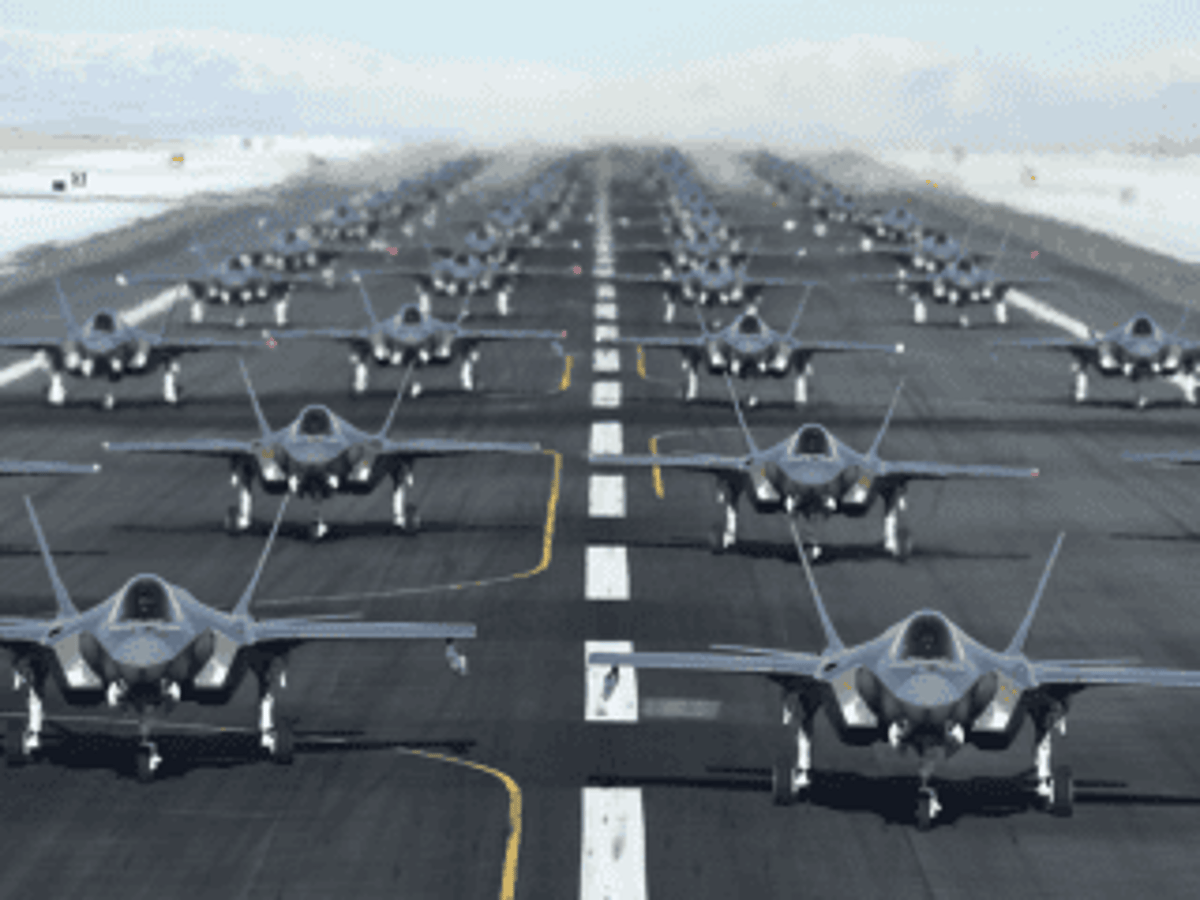
Germany is considering purchasing more US F-35 fighters.
0
Comments
Want to join the conversation?
Loading comments...