GE’s Foam Engine Wash Aims to Restore Efficiency, Improve Fuel Burn and Durability
Key Takeaways
- •Foam wash removes up to 0.5 mm of turbine deposits.
- •Restores roughly 2% fuel‑efficiency loss in degraded engines.
- •Extends component life by an estimated 10% in sandy conditions.
- •Service targets airlines in the Middle East and other harsh environments.
Pulse Analysis
Engine fouling is a silent cost driver for commercial aviation. Microscopic deposits of sand, dust and combustion by‑products build up on turbine blades, raising drag and degrading combustion efficiency. In desert hubs such as Dubai or Riyadh, engines can lose up to 3% of their original fuel‑burn performance within a few thousand flight hours, prompting airlines to schedule frequent inspections and part replacements. The cumulative effect translates into higher fuel spend, increased CO₂ output, and tighter maintenance windows that strain operational schedules.
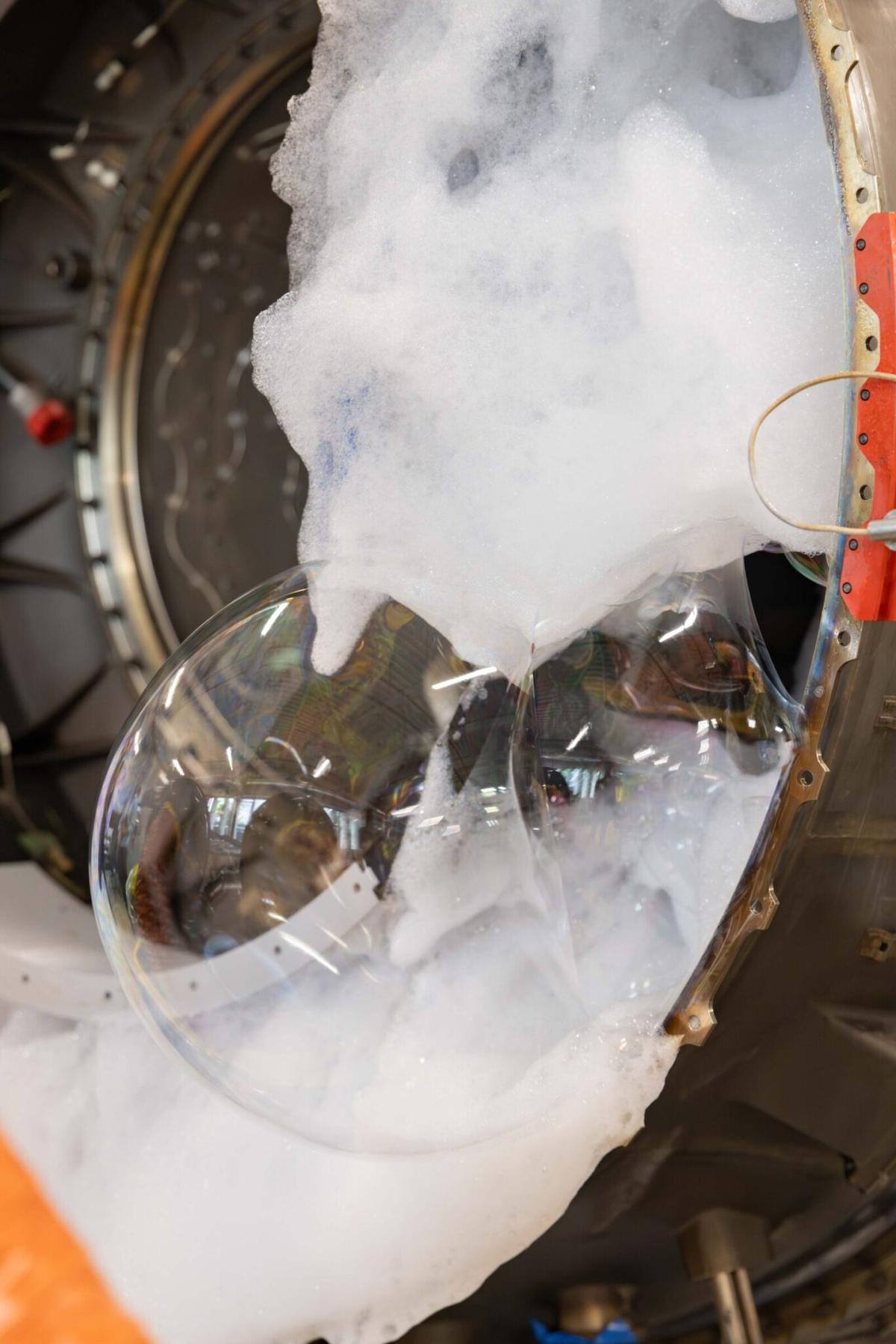
GE Aviation’s foam‑based wash tackles the problem at its source. The process injects a specially formulated, biodegradable foam into the engine’s intake, allowing it to coat blade surfaces and chemically break down accumulated grime without disassembly. Laboratory trials and early field tests show the foam can strip as much as 0.5 mm of material, effectively restoring about 2% of the fuel‑efficiency loss that typical degradation incurs. Because the treatment is performed on‑wing and requires only a short engine‑off interval, airlines can integrate it into routine turnaround procedures, minimizing aircraft downtime while delivering measurable cost savings.
For carriers, the technology offers a compelling value proposition. A 2% improvement in fuel burn on a long‑haul jet equates to millions of dollars saved annually, especially for fleets heavily deployed in the Middle East and other high‑dust regions. Extending component life by roughly 10% also delays expensive overhauls, improving aircraft availability and reducing spare‑parts inventory. As airlines tighten budgets and regulators push for lower emissions, GE’s foam wash could become a standard part of the maintenance toolkit, prompting competitors to develop similar solutions and reshaping the economics of engine care across the industry.
GE’s foam engine wash aims to restore efficiency, improve fuel burn and durability
Comments
Want to join the conversation?