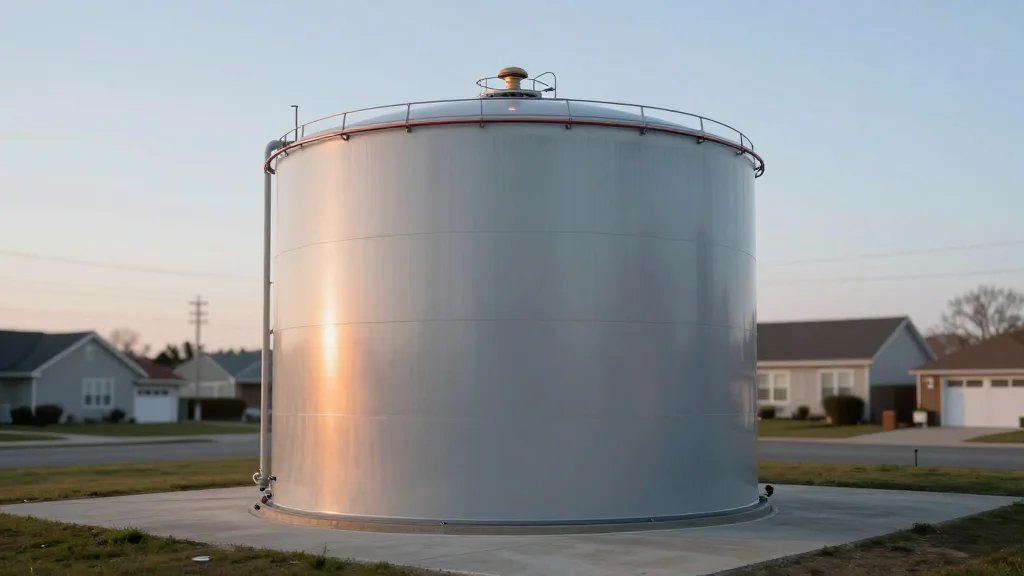
GKN Aerospace Evacuates 45,000 Residents After Overheating Chemical Tank Leak

Why It Matters
The Garden Grove leak underscores a systemic risk in aerospace manufacturing: the proximity of high‑hazard chemical storage to densely populated areas. As the industry pushes for faster composite‑part production, aging tanks and insufficient emergency‑response planning can translate into public‑health emergencies and costly production stoppages. Regulators may now face pressure to enforce stricter inspection regimes, which could increase compliance costs for aerospace suppliers nationwide. Beyond immediate safety concerns, the incident could reshape investor sentiment toward aerospace firms with legacy facilities. Companies that demonstrate proactive infrastructure upgrades and transparent crisis communication are likely to retain customer confidence, while those lagging may see tighter credit terms or reduced order volumes. The event also fuels broader debates about zoning policies that allow heavy industry to coexist with residential neighborhoods, potentially prompting legislative action at the state level.
Key Takeaways
- •GKN Aerospace halted operations after a 34,000‑gallon MMA tank overheated, prompting evacuation of 40,000‑50,000 residents.
- •The tank held roughly 6,000‑7,000 gallons of methyl methacrylate, a highly flammable chemical used in aerospace composites.
- •Emergency crews cooled the tank with water and began a controlled removal of neutralized MMA into sealed trucks.
- •California regulators are reviewing compliance and inspection protocols for VOC storage at aerospace sites.
- •Production delays could affect delivery schedules for commercial and defense aircraft manufacturers.
Pulse Analysis
The Garden Grove incident arrives at a moment when the aerospace sector is grappling with supply‑chain bottlenecks and a push toward more advanced composite materials. Those materials rely heavily on chemicals like methyl methacrylate, which, while essential for lightweight structures, introduce fire and explosion hazards. Historically, the industry has managed these risks through compartmentalized facilities located away from population centers. However, California’s housing pressures have squeezed industrial zones into tighter urban footprints, raising the stakes for any containment failure.
From a market perspective, the immediate fallout is likely to be modest in dollar terms, but the reputational impact could be outsized. GKN Aerospace, a Tier‑1 supplier, must now allocate capital to retrofit aging tanks and enhance real‑time monitoring systems. Competitors with newer infrastructure may leverage this gap to win contracts, especially from airlines and defense customers that prioritize operational continuity. Moreover, insurers may reassess risk models for aerospace manufacturers, potentially raising premiums for facilities that store large volumes of VOCs.
Looking ahead, the incident could catalyze a regulatory wave that forces the entire aerospace manufacturing ecosystem to modernize its hazardous‑material handling. Companies that invest early in advanced tank designs, automated pressure‑relief mechanisms, and community‑engagement platforms will likely emerge with a competitive advantage. For policymakers, the event offers a concrete case study to justify stricter zoning and emergency‑response standards, balancing economic growth with public safety.
GKN Aerospace Evacuates 45,000 Residents After Overheating Chemical Tank Leak
Comments
Want to join the conversation?
Loading comments...