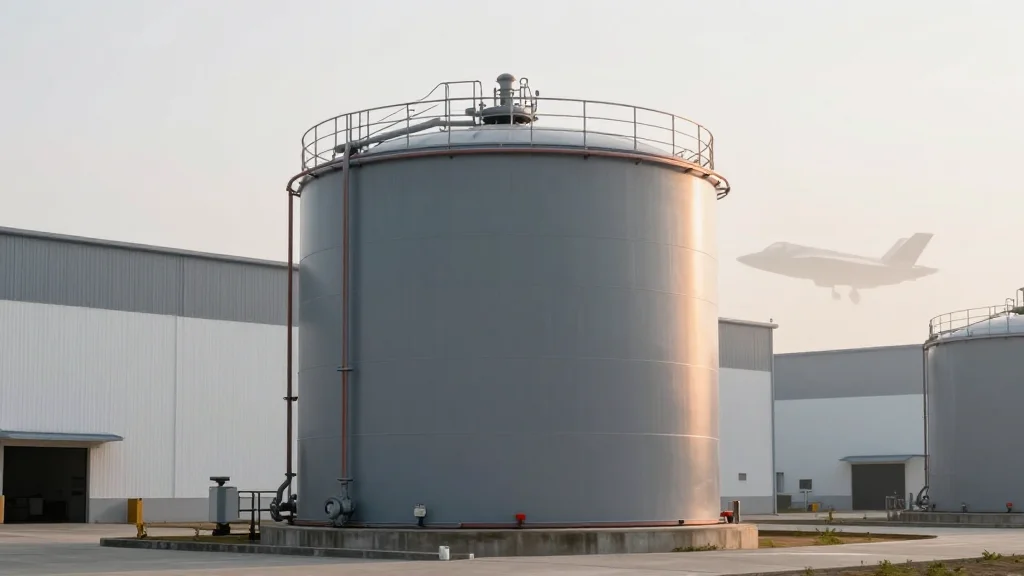
GKN Aerospace Evacuates 50,000 Californians Over Overheated Methyl Methacrylate Tank

Why It Matters
The Garden Grove evacuation underscores how a single chemical‑handling failure can jeopardize both civilian safety and a strategic defense supply chain. With GKN Aerospace supplying the F‑35 canopy, any disruption reverberates through U.S. and allied military readiness. Moreover, the incident spotlights regulatory gaps: the plant’s exclusion from the EPA’s Risk Management Program leaves a blind spot for high‑risk chemicals, raising questions about the adequacy of current federal oversight. As the U.S. pushes to modernize its defense industrial base, ensuring robust safety protocols at critical suppliers becomes a national security imperative. The public‑health dimension also matters. Over 50,000 residents endured weeks of displacement, eroding trust in both industry and regulators. The episode may catalyze policy reforms, prompting lawmakers to broaden the RMP list and allocate more resources to EPA inspection teams. For aerospace manufacturers, the event serves as a cautionary tale that operational resilience must include rigorous chemical‑risk management, especially when facilities sit in densely populated regions.
Key Takeaways
- •Approximately 50,000 Orange County residents evacuated after a 7,000‑gallon methyl methacrylate tank at GKN Aerospace overheated.
- •EPA monitors detected no chemical release; GKN senior VP Steve Carlin apologized for the disruption.
- •Professor Andrew Whelton questioned the claim of zero release, citing physics of pressurized systems.
- •The plant is not covered by the EPA’s Risk Management Program because methyl methacrylate is not on the list.
- •GKN’s Garden Grove line produces the F‑35 canopy, making the incident a potential bottleneck for the stealth fighter program.
Pulse Analysis
The Garden Grove incident is a textbook example of how supply‑chain fragility can emerge from non‑technical factors. While the aerospace sector prides itself on precision engineering, the safety of ancillary processes—such as chemical storage—remains a weak link. GKN’s reliance on a single, high‑volume tank for methyl methacrylate creates a single point of failure that, when triggered, can halt production of a component as critical as the F‑35 canopy. Historically, aerospace firms have mitigated such risks through redundant facilities or diversified suppliers; GKN’s concentration in one California plant runs counter to that best practice.
Regulatory oversight compounds the risk. The EPA’s Risk Management Program, designed after the 1984 Bhopal disaster, has not kept pace with modern chemical usage in high‑tech manufacturing. By excluding methyl methacrylate, the program leaves a sizable class of volatile organics unmonitored, a loophole that could be exploited by both accident and sabotage. The current administration’s intent to dismantle the Chemical Safety Board further erodes the safety net, potentially encouraging cost‑cutting at the expense of community protection.
From a strategic standpoint, any delay in canopy production could force the Pentagon to adjust its delivery schedules for the F‑35, a program already under pressure to meet rising demand from NATO allies. The incident may accelerate discussions within the Department of Defense about supply‑chain resilience, prompting investments in alternative manufacturing sites or the development of more robust on‑site chemical‑risk mitigation technologies. In the short term, GKN will likely face heightened scrutiny from both regulators and defense customers, while the broader aerospace industry watches closely to avoid similar vulnerabilities.
GKN Aerospace Evacuates 50,000 Californians Over Overheated Methyl Methacrylate Tank
Comments
Want to join the conversation?
Loading comments...