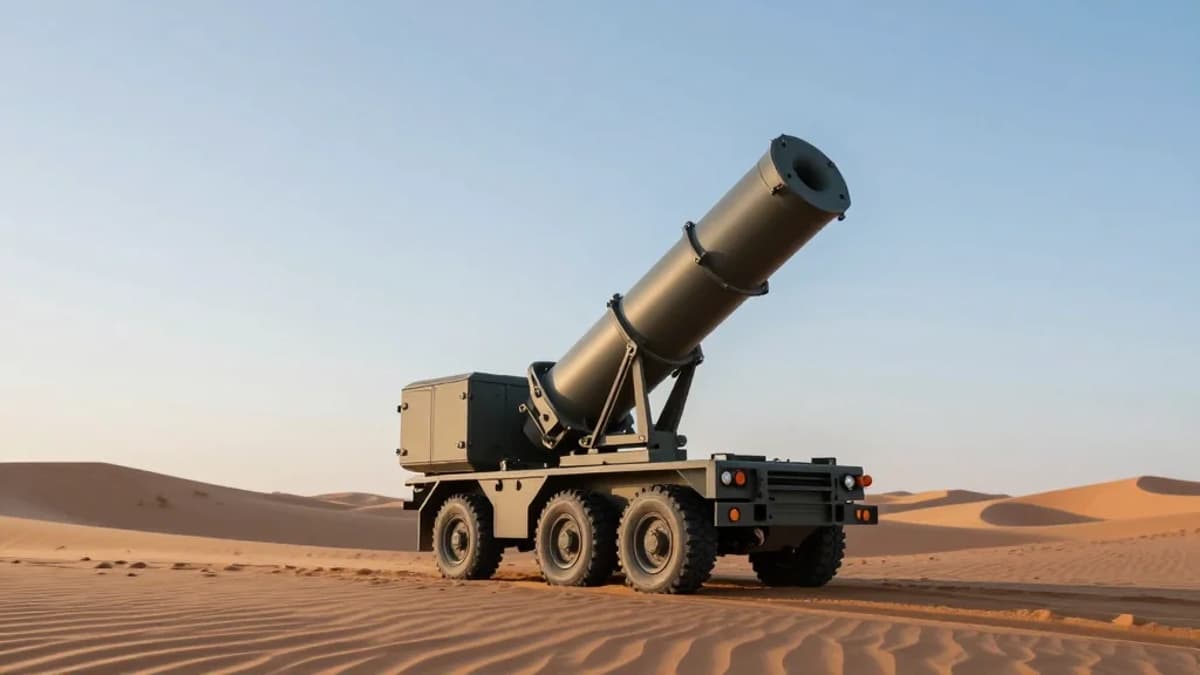
Gulf Nations Seek Italy’s SAMP/T Air Defence Amid Regional Tensions
•March 3, 2026
0
Why It Matters
The request highlights shifting defence procurement toward Europe amid Middle‑East instability, testing Italy’s ability to balance existing commitments with new export opportunities. Successful sales could reshape the Gulf’s air‑defence architecture and deepen Italy‑GCC strategic ties.
Key Takeaways
- •Gulf states request SAMP/T amid Iran-Israel tensions
- •SAMP/T uniquely intercepts ballistic missiles in Europe
- •Italy's Ukraine deliveries strain export capacity
- •GCC cites UN Article 51 for potential self‑defence
- •Italy‑Kuwait talks explore defence cooperation
Pulse Analysis
The surge in demand for advanced air‑defence systems reflects a broader recalibration of security priorities across the Gulf region. After a series of Iranian‑backed missile and drone strikes on UAE, Saudi Arabia and other GCC states, policymakers are seeking layered protection that can counter both conventional aircraft and emerging ballistic threats. The SAMP/T, with its Aster‑30 missiles and robust Arabel radar, offers a rare European capability to intercept short‑range ballistic missiles, making it an attractive option for nations wary of escalating regional hostilities.
Italy’s role as a supplier is now under scrutiny. Since Russia’s invasion of Ukraine, Rome has committed several SAMP/T batteries to Kyiv, straining its production lines and prompting defence officials to warn of limited export bandwidth. This tension between supporting a key European ally and capitalising on lucrative Gulf contracts illustrates the delicate balance European arms exporters must navigate. The decision to allocate additional units to GCC members will hinge on assessments of inventory, industrial capacity, and the strategic value of deepening ties with Middle‑Eastern partners.
Strategic implications extend beyond hardware sales. The GCC’s invocation of Article 51 of the UN Charter signals a willingness to pursue collective self‑defence measures, potentially paving the way for joint procurement programmes and integrated command structures. Italy’s diplomatic outreach, exemplified by recent talks with Kuwait’s defence minister, could evolve into broader security collaborations, including training, maintenance, and joint exercises. For European defence firms, the Gulf market represents both a revenue opportunity and a test of their ability to support allies while maintaining commitments elsewhere, reshaping the geopolitical landscape of arms trade in the coming years.
Gulf nations seek Italy’s SAMP/T air defence amid regional tensions
0
Comments
Want to join the conversation?
Loading comments...