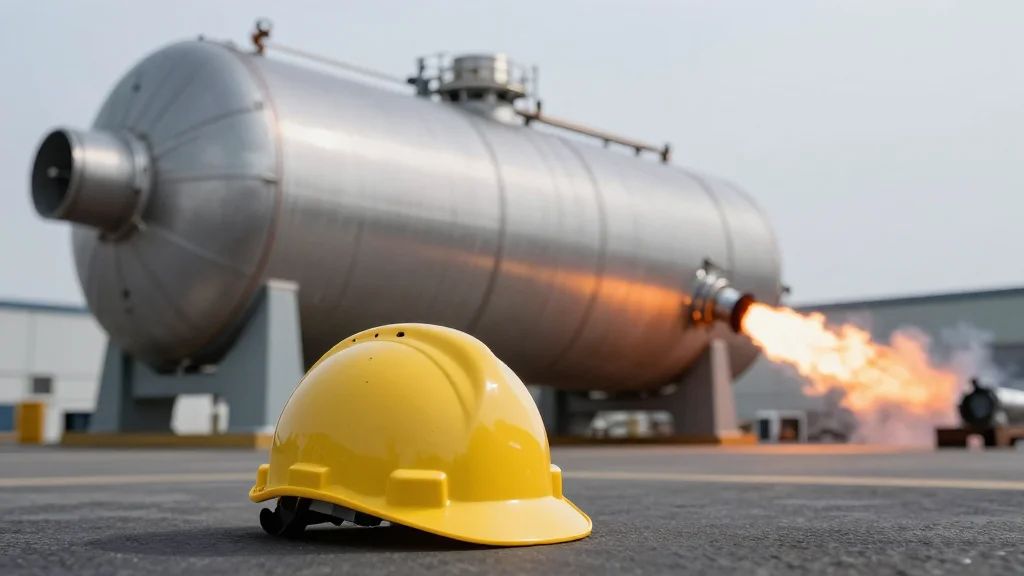
Hanwha Aerospace Explosion Kills Five, Triggers Share Drop and Safety Scrutiny

Companies Mentioned
Why It Matters
The Daejeon blast highlights systemic safety challenges in South Korea's rapidly expanding defence‑aerospace sector, a cornerstone of the nation's strategic push for indigenous submarine and missile capabilities. Repeated incidents at the same facility erode confidence among domestic and foreign customers, potentially jeopardising high‑value contracts such as the $60 billion‑valued bid for Canada’s next submarine fleet. Beyond immediate human loss, the accident threatens supply‑chain continuity for critical propulsion systems used in both military and civilian aerospace programs. A prolonged shutdown could delay South Korea’s planned nuclear‑submarine rollout and impair its ability to meet export commitments, prompting allies to reassess risk exposure and possibly favour competitors with cleaner safety records.
Key Takeaways
- •Five workers killed, two injured in explosion at Hanwha Aerospace's Daejeon plant.
- •Incident occurred during a water‑based cleaning of rocket‑propellant equipment at 10:59 a.m.
- •Hanwha Aerospace shares fell 2.8%; parent Hanwha Corp down 3.4% after the blast.
- •Previous explosions at the same facility killed five in 2018 and three in 2019.
- •President Lee Jae Myung and Prime Minister Kim Min‑seok ordered a full‑scale investigation and resource mobilisation.
Pulse Analysis
Hanwha Aerospace’s safety lapse arrives at a pivotal moment for South Korea’s defence ambitions. The country is betting on home‑grown nuclear‑submarine technology and a contested bid to supply Canada with a new submarine fleet. Repeated accidents at a flagship plant undermine that strategy, feeding skepticism among allies who demand rigorous risk management. Historically, defence manufacturers that suffer high‑profile safety failures—such as Boeing’s 737 MAX crisis—face prolonged regulatory scrutiny and market penalties, even when the underlying technology remains sound.
Financial markets have already priced in heightened risk, as evidenced by the immediate share decline. Investors are likely recalibrating exposure not only to Hanwha but to the broader Korean defence sector, which could see tighter credit terms and higher insurance premiums. The incident may also accelerate government‑led safety reforms, potentially introducing stricter audit requirements and real‑time monitoring of hazardous processes. While such measures could increase operational costs, they may ultimately restore confidence and protect long‑term revenue streams tied to high‑value export contracts.
Looking ahead, Hanwha’s ability to resume production swiftly and transparently will be a litmus test for its crisis management capabilities. A thorough, publicly disclosed investigation could mitigate reputational damage and reassure both domestic policymakers and foreign customers. Conversely, a protracted or opaque response risks eroding the company’s competitive edge, especially as rivals like Germany’s TKMS press ahead with their own submarine offers. The Daejeon explosion thus serves as a stark reminder that safety performance is now as critical to winning defence contracts as technical prowess.
Hanwha Aerospace Explosion Kills Five, Triggers Share Drop and Safety Scrutiny
Comments
Want to join the conversation?
Loading comments...