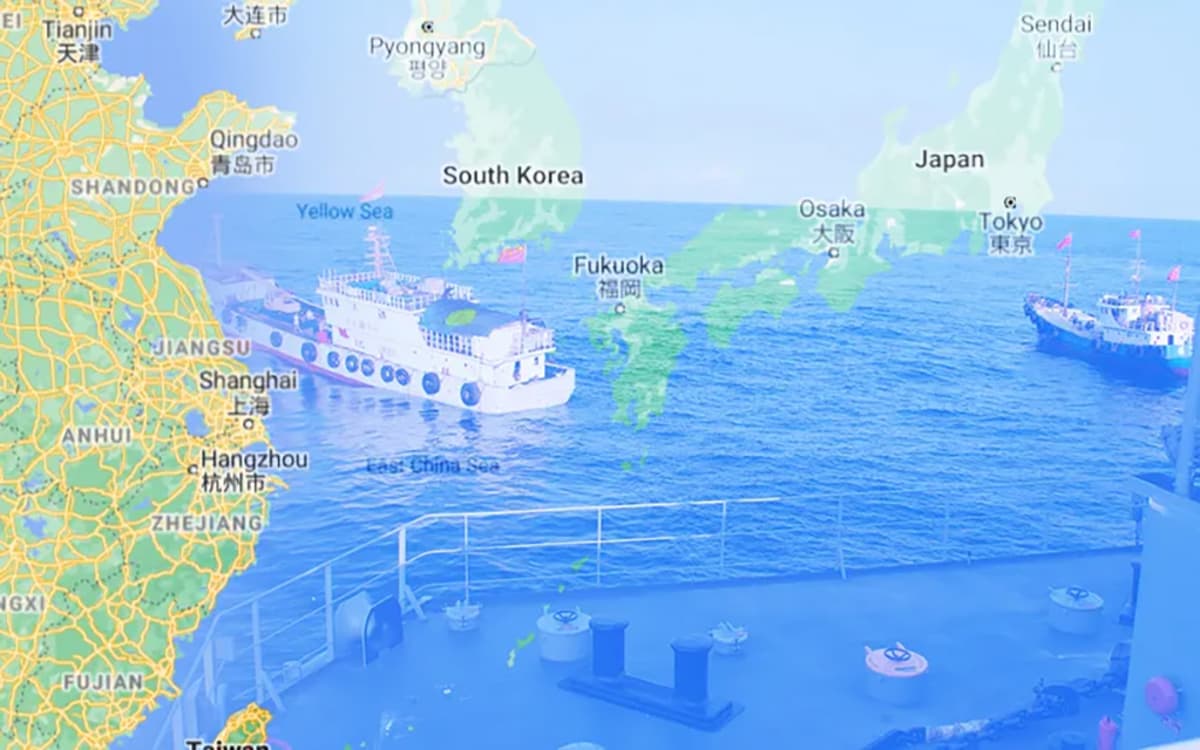
High-Frequency EO Constellations Target Southeast Asia’s “Gray-Zone” Maritime Security Gap
•March 10, 2026
0
Why It Matters
Space‑based SAR provides cost‑effective, 24/7 coverage that safeguards vital trade routes and deters illegal activities, reshaping Southeast Asia’s security and economic landscape.
Key Takeaways
- •SAR constellations revisit targets under one hour.
- •Surveillance cost per km dropped 60% since 2022.
- •Dark vessels detected via AIS‑SAR data fusion.
- •Southeast Asian navies plan sovereign SAR satellite programs.
- •Orbital edge AI will enable real‑time alerts.
Pulse Analysis
Southeast Asia’s maritime domain is a linchpin of global trade, with the Strait of Malacca and South China Sea handling billions of dollars of cargo annually. The region also faces a mounting “gray‑zone” threat: illegal, unreported, and unregulated fishing, smuggling, and covert military maneuvers that disable AIS transponders. These activities erode food security, depress coastal economies, and risk diplomatic escalation. By quantifying the economic impact—billions in lost revenue—and the strategic importance of uninterrupted sea lanes, the analysis underscores why governments are urgently seeking more reliable surveillance solutions.
Synthetic Aperture Radar constellations have become the technology of choice because they pierce cloud cover and operate day and night, delivering consistent imagery over the tropics. New mega‑constellations now achieve revisit intervals of less than an hour, dramatically reducing the window for vessels to evade detection. Coupled with automated data‑fusion pipelines that cross‑reference SAR detections with AIS signals, operators can instantly flag “dark” targets for interception. Moreover, the cost per square kilometre of satellite monitoring has fallen roughly 60 % since 2022, making these services financially accessible to coast guards that previously relied on costly aircraft patrols.
Looking ahead, the market is set to transition from commercial data purchases to sovereign EO capabilities. Nations such as Thailand and Vietnam are already drafting plans to launch dedicated SAR clusters, while orbital edge AI promises on‑board processing and real‑time alerts by 2030. This evolution will not only tighten enforcement against illegal activities but also generate a legal evidentiary trail for international tribunals, reducing the need for kinetic confrontations. As a result, space‑based maritime intelligence is poised to become Southeast Asia’s most lucrative segment for satellite firms through 2035.
High-Frequency EO Constellations Target Southeast Asia’s “Gray-Zone” Maritime Security Gap
0
Comments
Want to join the conversation?
Loading comments...