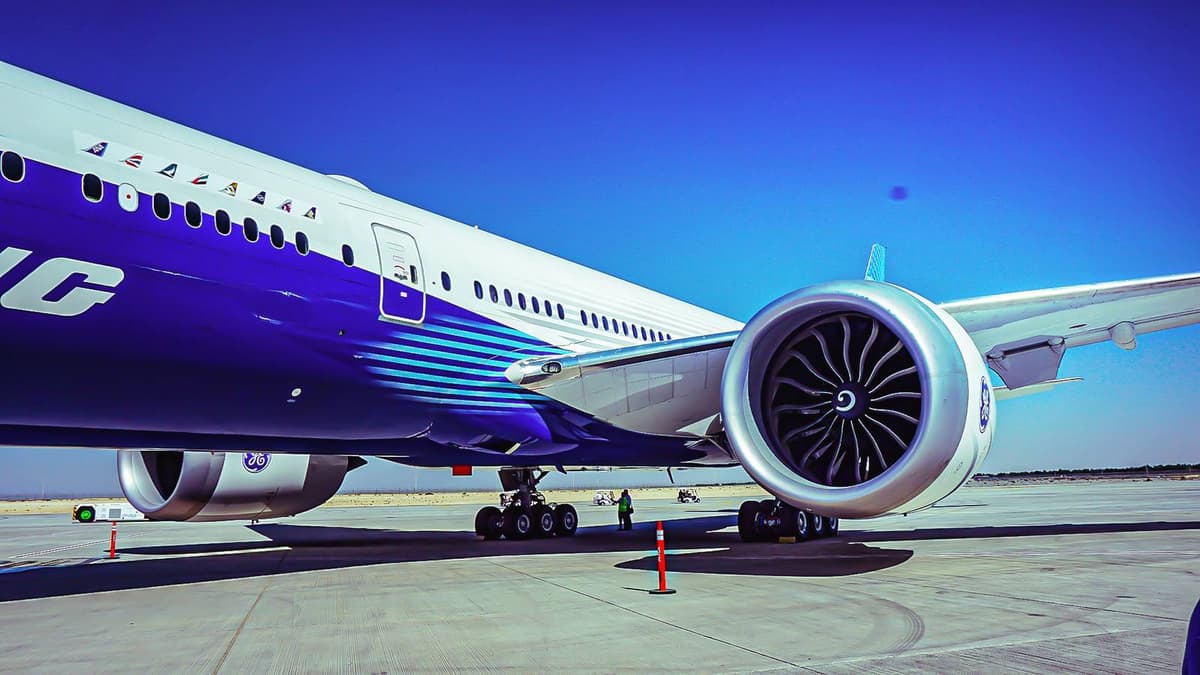
How The World's Largest Jet Engine's 2,400°F Combustor Fix Decides The Boeing 777X's Fate
Companies Mentioned

Why It Matters
If the GE9X cannot demonstrate durable, on‑wing performance, the 777X risks losing orders from its flagship carriers, jeopardizing Boeing’s recovery and GE’s market share in the high‑margin wide‑body engine segment.
Summary
Boeing’s 777X program, now slated for a 2027 entry into service, has been delayed again due to a newly discovered engine‑seal durability issue that adds to existing concerns over the GE9X’s combustor liner wear at temperatures near 2,400 °F (1,315 °C). The GE9X relies heavily on Ceramic Matrix Composite materials and the third‑generation TAPS III combustor to achieve record fuel‑efficiency, but the aggressive thermal envelope narrows durability margins and could force premature engine removals. With more than $15 billion already written off, airlines such as Lufthansa, Emirates and Qatar Airways are scrutinizing whether the engine can stay reliably on‑wing from day one, given recent industry crises with Rolls‑Royce’s Trent 1000 and XWB‑97. The program’s commercial viability now hinges on proving dispatch reliability rather than just performance specs.
How The World's Largest Jet Engine's 2,400°F Combustor Fix Decides The Boeing 777X's Fate
Comments
Want to join the conversation?
Loading comments...