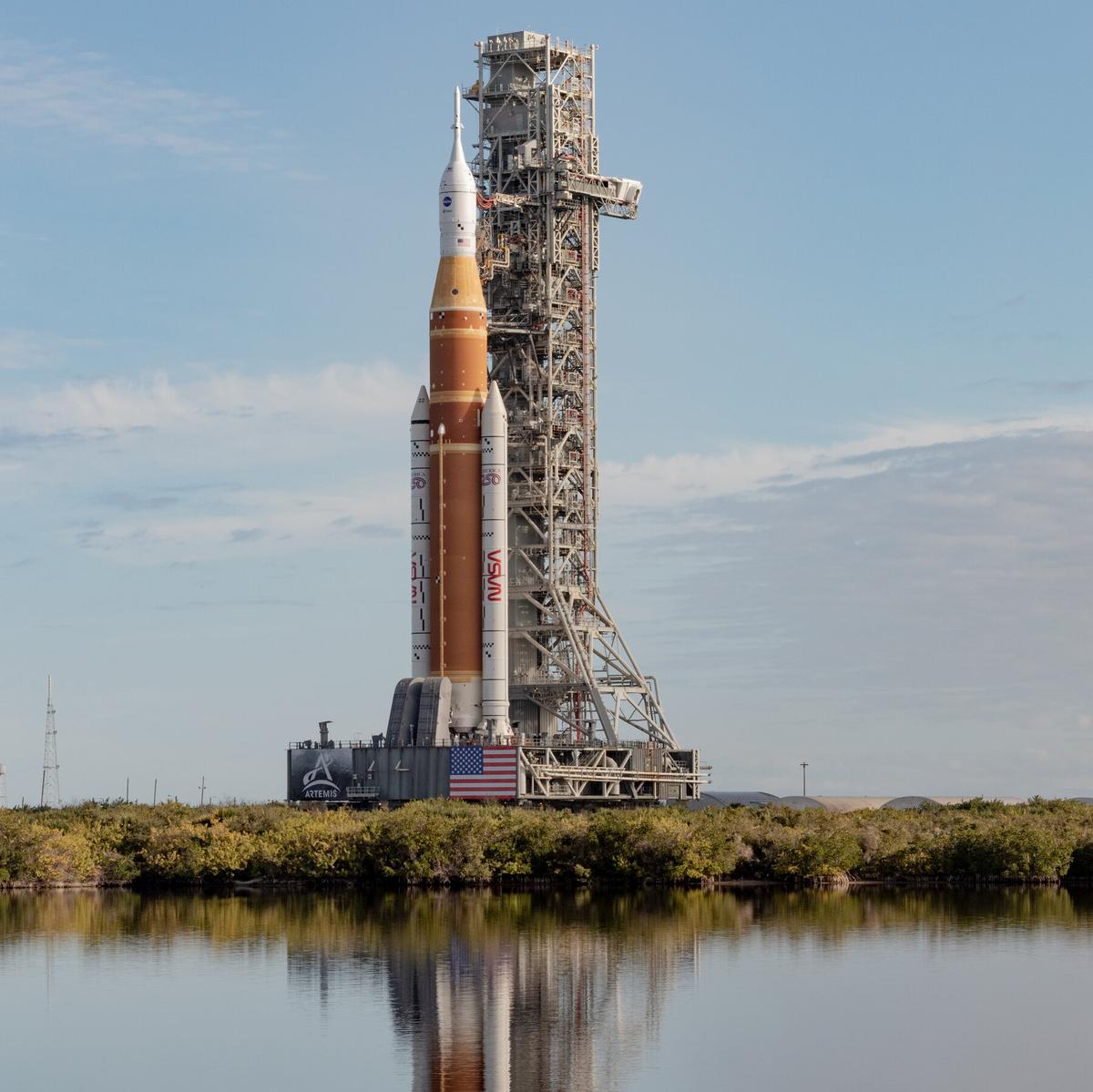
How to View the Artemis II Moon Launch
Companies Mentioned

NASA
Why It Matters
Artemis II re‑establishes U.S. crewed deep‑space capability, influencing commercial lunar initiatives and national prestige.
Key Takeaways
- •Artemis II aims for first crewed lunar flyby since Apollo
- •Launch window opens March 2026, pending tests and weather
- •Kennedy Space Center tickets sold out for closest viewing package
- •Visitor packages start at $99, eight miles from launchpad
- •NASA will confirm launch date after successful countdown rehearsal
Pulse Analysis
The Artemis II flight marks a pivotal moment in America’s return to crewed deep‑space exploration, ending a 50‑year hiatus since Apollo. By sending four astronauts on a lunar flyby, NASA aims to validate the Space Launch System (SLS) and Orion capsule for future surface missions, including the planned Artemis III landing. The mission also serves as a technology demonstrator for life‑support, navigation, and radiation‑shielding systems that will underpin commercial and governmental ventures beyond low‑Earth orbit.
Beyond its scientific objectives, Artemis II is generating a measurable economic ripple along Florida’s Space Coast. Ticket sales for public viewing have already sold out for the premium “Feel the Heat” experience, while more affordable packages at $99 are filling fast, injecting revenue into local hospitality, transportation, and retail sectors. The influx of visitors underscores the growing market for space‑related tourism, prompting nearby businesses to tailor services for a tech‑savvy, adventure‑seeking demographic eager to witness history in real time.
Technical readiness remains the mission’s most critical variable. Recent countdown rehearsals exposed hardware glitches that postponed the launch to no earlier than March, highlighting the SLS’s complexity and the need for rigorous testing. Successful resolution will not only secure Artemis II’s timeline but also build confidence for subsequent lunar landings and the broader Artemis program. Industry partners are watching closely, as demonstrated reliability could unlock new contracts for propulsion, avionics, and in‑space manufacturing, accelerating the commercialization of lunar infrastructure.
How to View the Artemis II Moon Launch


Comments
Want to join the conversation?
Loading comments...