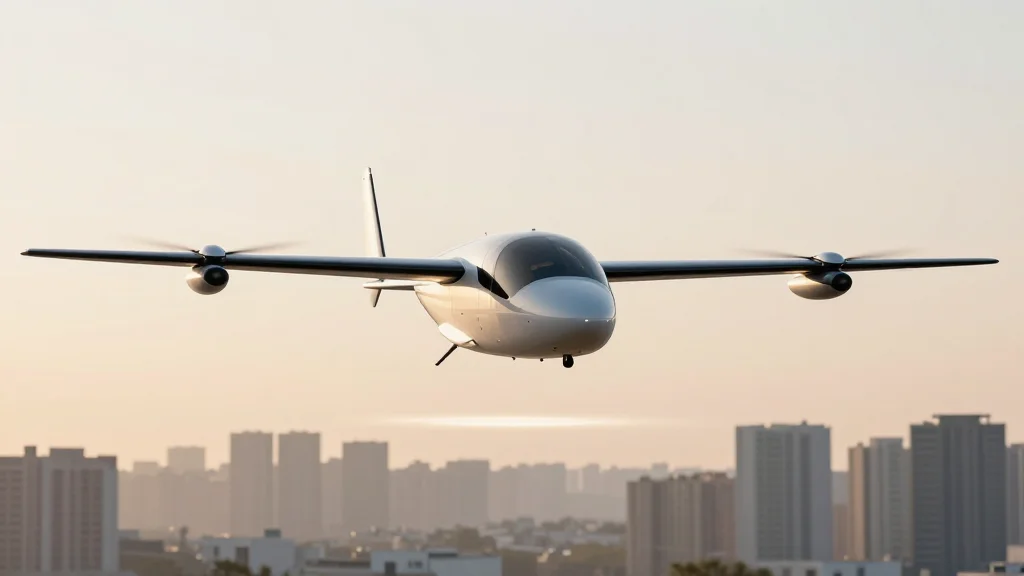
Hyundai Motor Group and Korea Aerospace Industries to Jointly Develop AAM Solutions
Companies Mentioned
Why It Matters
The deal accelerates the rollout of electric air‑taxi services, positioning Hyundai and KAI as early leaders in the fast‑growing AAM market and expanding their revenue streams beyond traditional automotive and defense sectors.
Key Takeaways
- •Hyundai leverages electrified powertrain expertise for AAM aircraft
- •KAI contributes airframe design and certification experience
- •Joint venture aims for mass‑production of electric air taxis
- •Collaboration taps global supply chains and customer networks
Pulse Analysis
Advanced air mobility (AAM) is emerging as a pivotal frontier for both automotive and aerospace players, promising to reshape urban transportation with electric vertical take‑off and landing (eVTOL) vehicles. Hyundai Motor Group, already a heavyweight in electric vehicle technology, has been building its Aviation Powertrain Sub‑Division to capture this nascent market. By partnering with Korea Aerospace Industries—South Korea’s premier aircraft manufacturer—Hyundai gains immediate access to seasoned airframe engineering and certification pathways that would otherwise take years to develop in‑house.
The technical synergy centers on marrying Hyundai’s high‑efficiency electric propulsion systems with KAI’s proven aircraft structures. This combination targets a scalable, low‑noise, zero‑emission platform suitable for short‑range urban routes. Leveraging Supernal, Hyundai’s U.S. AAM subsidiary, the collaboration will streamline supply‑chain logistics, align with FAA and EASA certification standards, and tap into an existing global customer network that includes logistics firms and municipal transit authorities. Such integrated development reduces time‑to‑market and lowers the capital intensity typically associated with aerospace projects.
From a business perspective, the partnership positions both companies to capture a share of the projected $1.5 trillion AAM market by 2040. Early entry allows Hyundai to diversify beyond automobiles, while KAI expands its portfolio beyond military and commercial jets. The joint effort also signals to investors that traditional manufacturers are serious about electrified aviation, potentially spurring further cross‑industry collaborations and accelerating regulatory frameworks that will enable commercial electric air‑taxi services within the next decade.
Hyundai Motor Group and Korea Aerospace Industries to jointly develop AAM solutions
Comments
Want to join the conversation?
Loading comments...