In Aerospace, AI Isn’t Replacing Workers. It’s Filling a Shortage
Companies Mentioned
Why It Matters
AI adoption helps U.S. defense contractors meet accelerating production demands, preserving strategic advantage against rivals like China.
Key Takeaways
- •Pentagon pushes contractors to quadruple missile interceptor output
- •Agentic AI assists design, testing, supply chain, and manufacturing tasks
- •Talent shortage forces firms to augment engineers with AI tools
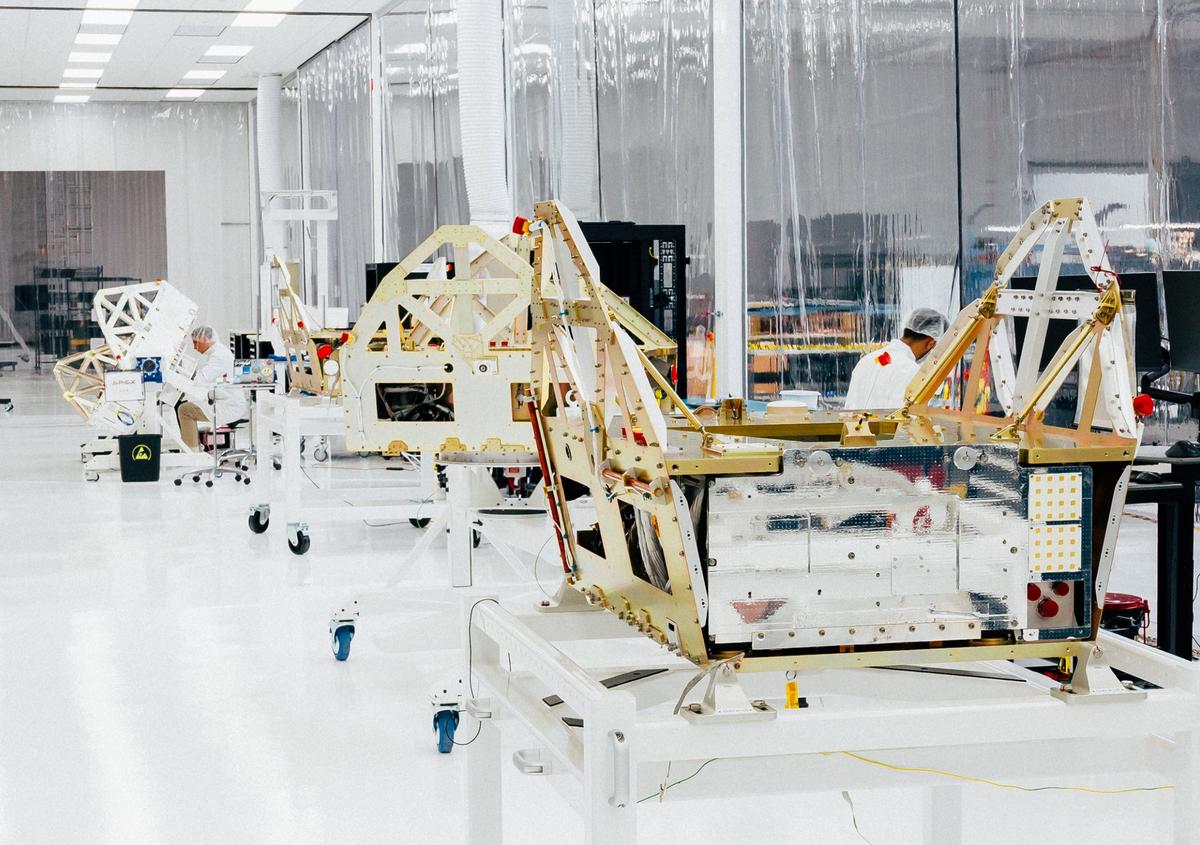
- •Voyager deploys AI workflows at Long Beach electronics plant
- •Faster AI‑enabled cycles aim to keep U.S. defense competitive with China
Pulse Analysis
In the United States, the narrative around artificial intelligence often centers on workforce reductions, yet the aerospace and defense sector tells a different story. With the Pentagon demanding a rapid expansion of missile interceptors, satellites, and other national‑security hardware, contractors face a production gap that cannot be solved by hiring alone. A chronic shortage of engineers, software developers, and specialized technicians has turned AI into a strategic lever rather than a cost‑cutting tool. Executives now view intelligent software as essential infrastructure for meeting escalating defense timelines.
Agentic AI distinguishes itself from legacy automation by operating across multiple stages of the product lifecycle. The technology can generate design iterations, draft compliance documentation, optimize supply‑chain routing, and schedule production runs without human prompting. Companies such as Voyager Technologies have already embedded these systems in their Long Beach electronics facility, reporting shorter development cycles for next‑generation hardware. By augmenting engineers rather than replacing them, AI enables a smaller skilled workforce to manage a larger portfolio of programs, effectively compressing the years‑long lead times that have traditionally hampered defense procurement.
The acceleration of AI‑driven production is now a matter of national security. As China expands its own space and missile capabilities, the United States must not only innovate but also field those innovations at unprecedented speed. Investment in agentic AI is rising, with defense contractors allocating billions to digital‑manufacturing platforms that promise four‑fold output gains. While the technology does not solve the underlying talent deficit, it reshapes the skill set required—favoring AI‑savvy engineers who can collaborate with intelligent tools. In the coming decade, AI will likely become the backbone of America’s aerospace industrial base.
In aerospace, AI isn’t replacing workers. It’s filling a shortage
Comments
Want to join the conversation?
Loading comments...