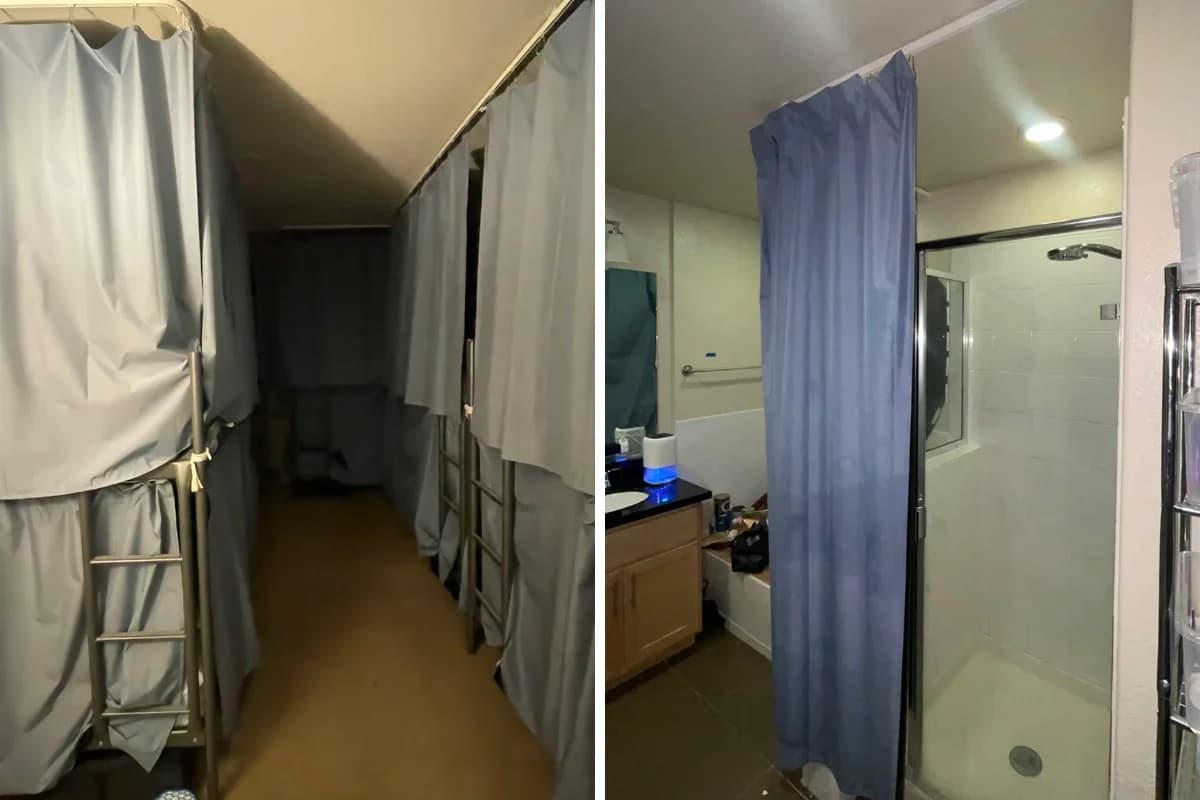
Inside The Not So Glamorous World Of Flight Attendant ‘Crash Pads’: It Looks Like a Prison
•February 2, 2026
0
Why It Matters
The housing shortage highlights systemic wage and labor‑cost issues in the airline industry, potentially driving regulatory scrutiny and affecting crew retention.
Key Takeaways
- •Low wages force new hires into shared crash pads
- •Crash pads often lack privacy and proper sanitation
- •Illegal pads have been shut down for safety violations
- •Commuting hundreds of miles adds fatigue and costs
- •Regulators may face pressure to improve crew housing standards
Pulse Analysis
The rise of "crash pads" reflects a broader affordability crisis for airline crew members. Entry‑level flight attendants earn modest salaries that barely cover basic expenses, while major carriers locate their hubs in metros with sky‑high rents. To bridge the gap, many opt for converted apartments or houses where dozens of attendants share cramped bunk rooms, often without adequate ventilation or fire safety measures. This cost‑saving strategy enables airlines to keep labor expenses low, but it transfers the burden of substandard housing onto the workforce.
Safety concerns have moved the issue from a private inconvenience to a public regulatory focus. In 2022, Boston inspectors raided an illegal crash pad that housed twenty attendants in a repurposed garage, citing missing fire escapes and smoke detectors. Such violations underscore the lack of oversight for off‑site crew housing, especially when landlords operate without permits. Advocacy groups and labor unions are now demanding clearer standards, arguing that inadequate living conditions can impair alertness and increase accident risk during flights.
The long‑term implications could reshape airline labor practices. As the industry grapples with pilot shortages and high turnover, improving crew housing may become a competitive advantage for carriers seeking to attract and retain talent. Potential solutions include airline‑sponsored dormitories, housing stipends tied to cost‑of‑living indices, or partnerships with vetted property managers. Regulatory bodies may also introduce mandatory safety certifications for any off‑site crew housing, ensuring that basic fire and health codes are met. Ultimately, addressing the crash‑pad phenomenon could enhance employee well‑being, reduce fatigue‑related incidents, and bolster the airline’s public image.
Inside The Not So Glamorous World Of Flight Attendant ‘Crash Pads’: It Looks Like a Prison
0
Comments
Want to join the conversation?
Loading comments...