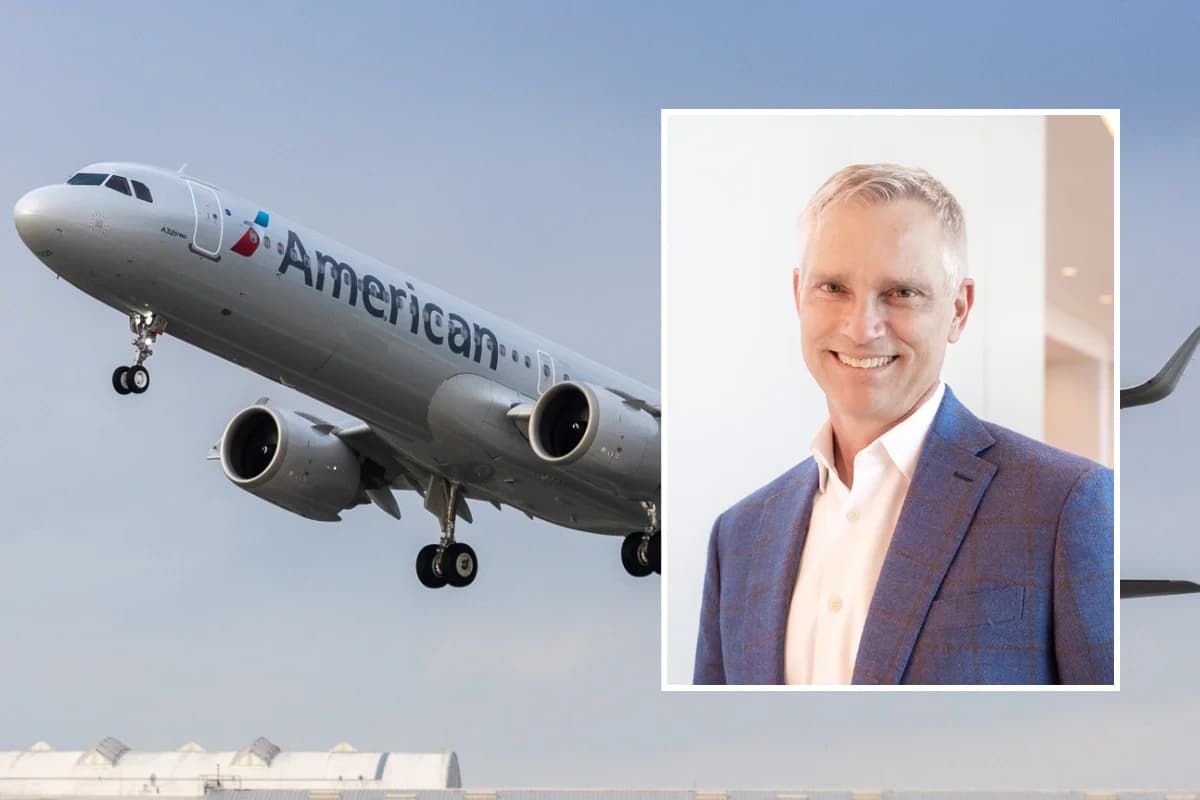
Is American Airlines Preparing to Oust CEO Robert Isom Once The DCA Crash Anniversary Has Passed?
•January 28, 2026
0
Why It Matters
Replacing Isom could reset American’s strategy and restore investor confidence, reshaping the U.S. airline competitive landscape.
Key Takeaways
- •2025 profit down 87% YoY.
- •Board may fire Isom after crash anniversary.
- •Unions publicly demand leadership overhaul.
- •Premium‑focus strategy seen as confused.
- •Competitors Delta, United pulling ahead.
Pulse Analysis
American Airlines reported an 87 percent plunge in 2025 earnings, a decline that has widened the gap with rivals Delta Air Lines and United Airlines. The loss reflects aggressive cost‑cutting measures introduced under CEO Robert Isom, including reductions to the domestic network that have eroded the carrier’s premium image. While legacy carriers traditionally command higher yields, American’s recent focus on “productizing” schedules pushed it into direct competition with low‑cost airlines, squeezing margins and unsettling investors. The financial shock underscores the urgency of a strategic reset.
The board’s response appears to be timed with the first anniversary of the DCA crash, a symbolic moment that could soften the optics of a leadership change. Industry insiders cite a tweet suggesting Isom’s departure by late February, a move that would align with union calls from the Association of Professional Flight Attendants demanding immediate accountability. Isom’s crisis‑communication during the tragedy earned praise, yet his longer‑term stewardship is now under fire. Governance experts note that separating the commemoration from a dismissal may preserve brand dignity while allowing decisive action.
If a new chief executive is installed, the next priority will be redefining American’s value proposition. Analysts argue that a clear premium strategy, coupled with disciplined cost management, could restore differentiation from Delta’s network‑centric model and United’s hybrid approach. Potential candidates with experience in airline transformation may steer the carrier toward higher ancillary revenue and improved labor relations. The market will watch closely, as any shift in leadership could affect stock performance, alliance dynamics, and the broader competitive landscape of U.S. aviation.
Is American Airlines Preparing to Oust CEO Robert Isom Once The DCA Crash Anniversary Has Passed?
0
Comments
Want to join the conversation?
Loading comments...