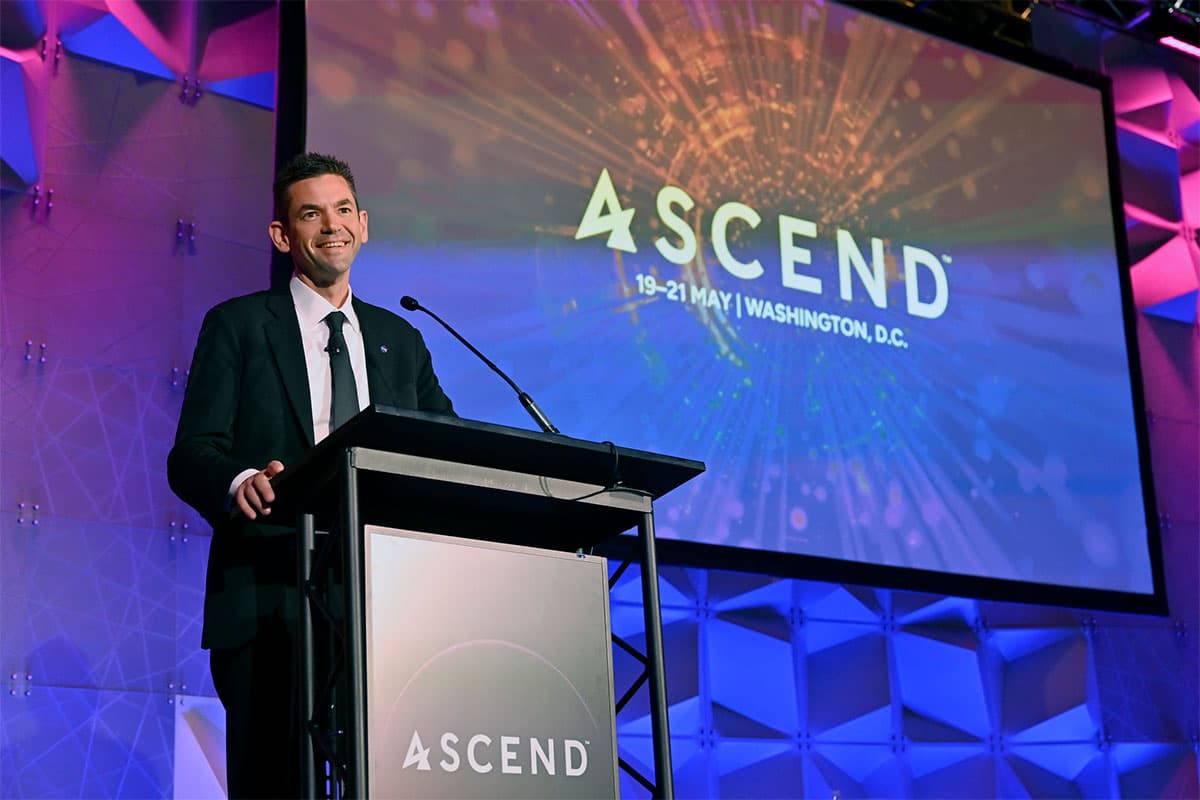
Isaacman Predicts Chinese Crewed Lunar Flyby by 2027
Why It Matters
A 2027 Chinese crewed lunar mission would accelerate the US‑China strategic competition and could force NASA and its commercial partners to hasten lunar‑related investments. It also reshapes market expectations for lunar infrastructure and services.
Key Takeaways
- •Isaacman predicts Chinese crewed lunar flyby in 2027.
- •NASA chief sees mission as catalyst for US‑China space competition.
- •Chinese lunar mission could precede NASA's Artemis crewed landing timeline.
- •Industry may accelerate funding for lunar infrastructure and commercial partnerships.
Pulse Analysis
China’s accelerated lunar ambitions are reshaping the architecture of near‑term deep‑space exploration. While NASA’s Artemis program targets a crewed lunar landing by 2025‑2026, the Chinese space agency has been quietly advancing its own crewed capabilities, including the development of the next‑generation Long March rockets and a modular space station that could serve as a launch platform. Isaacman’s 2027 timeline aligns with China’s broader goal of establishing a sustainable lunar presence, positioning it to claim the first human orbit of the Moon and potentially laying groundwork for a future surface mission.
The prospect of a Chinese crewed flyby forces US policymakers to reassess funding priorities and risk mitigation strategies. Congressional scrutiny of NASA’s budget has intensified, and a perceived lag could translate into heightened political pressure to accelerate Artemis milestones. Commercial partners, from launch providers to lunar lander developers, may see both risk and opportunity: the need for faster technology maturation could spur increased contracts, while competition for talent and launch slots could tighten. Moreover, the United States may explore diplomatic avenues to manage the competitive dynamic without escalating tensions.
For the broader aerospace market, a 2027 Chinese lunar mission signals a surge in demand for lunar‑orbit services, navigation, and communications. Companies specializing in lunar payload delivery, in‑space manufacturing, and surface logistics could benefit from early contracts as both nations vie for a foothold. Simultaneously, insurers and investors will weigh the geopolitical risk premium, potentially reshaping capital flows toward firms that can demonstrate resilience in a bifurcated lunar economy. In sum, Isaacman’s forecast is a catalyst that could accelerate innovation, funding, and strategic partnerships across the commercial space ecosystem.
Isaacman Predicts Chinese Crewed Lunar Flyby by 2027
Comments
Want to join the conversation?
Loading comments...