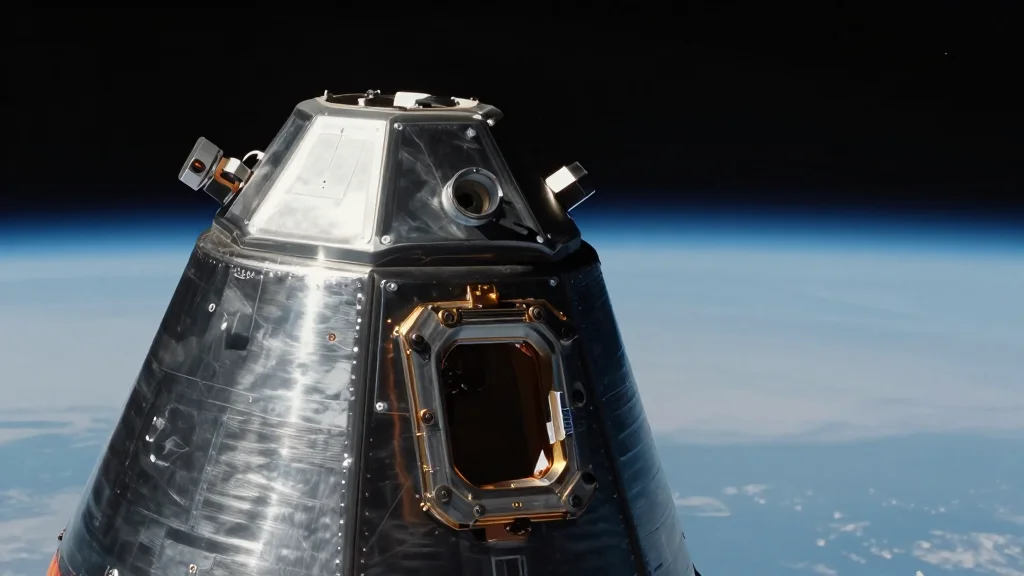
Isaacman Responds to Criticism of All-Male Artemis III Crew
Why It Matters
The controversy highlights the tension between merit‑based crew assignments and growing expectations for gender representation in high‑visibility space missions, influencing NASA’s public image and future staffing policies.
Key Takeaways
- •Artemis III crew consists of four men, no women selected.
- •Selection based on mission‑specific experience, not political considerations.
- •Half of NASA’s active astronaut corps are female, sparking criticism.
- •Isaacman emphasizes celebrating current crew while future crews will be diverse.
- •Artemis III will test lunar docking in Earth orbit before 2028 landing.
Pulse Analysis
The Artemis program, NASA’s flagship initiative to return humans to the Moon, is entering a critical phase with Artemis III slated for a 2027 launch. Unlike its predecessor Artemis II, which performed a lunar flyby, Artemis III will remain in Earth orbit to validate the docking and rendezvous procedures required for future lunar landings. The four‑person crew—three NASA astronauts and one European Space Agency pilot—were selected for their extensive flight experience, including multiple spaceflights and record‑setting mission durations, ensuring the technical objectives are met on schedule.
The all‑male composition of the crew has ignited a broader debate about gender equity in spaceflight. Although women represent 15 of the 37 active NASA astronauts, the current selection reflects mission‑specific skill sets rather than a quota system. Critics argue that high‑profile missions should showcase diversity to inspire the next generation, while NASA officials, led by Isaacman, stress that the selection process is insulated from political influence. Isaacman’s public response underscores a dual strategy: celebrate the qualified astronauts now while committing to more inclusive crews in subsequent missions, such as the upcoming ISS expeditions featuring commanders Jessica Meir and Jessica Watkins.
Looking ahead, Artemis III’s orbital tests are a stepping stone toward the 2028 lunar surface landing, where a more diverse astronaut roster is expected. Successful docking trials will validate the Orion spacecraft’s capabilities and pave the way for commercial and international partners to join future lunar expeditions. As NASA balances technical rigor with societal expectations, the agency’s handling of crew diversity will shape its reputation and influence funding, partnerships, and public support for the next era of deep‑space exploration.
Isaacman Responds to Criticism of All-Male Artemis III Crew
Comments
Want to join the conversation?
Loading comments...