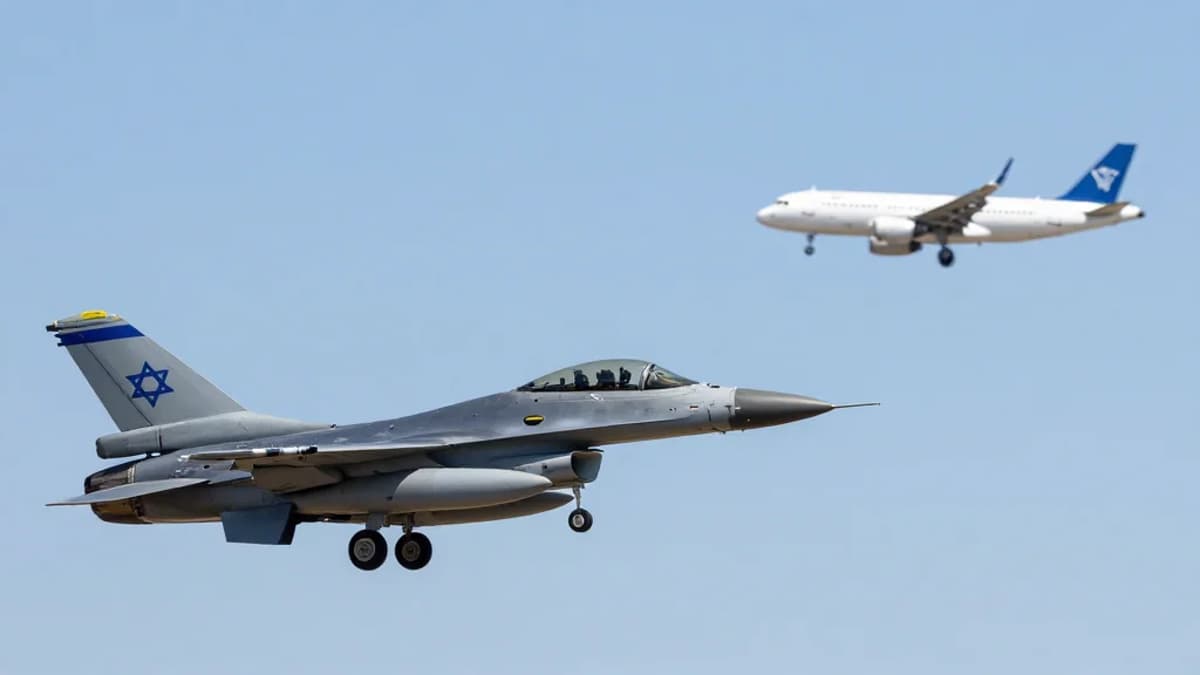
Israel Scrambles Fighter Jets To Intercept Wizz Air Plane From London As Terror Alert Is Declared
•February 8, 2026
0
Why It Matters
The incident demonstrates how even a harmless prank can activate stringent security protocols, affecting flight schedules and influencing carrier strategies in high‑risk markets.
Key Takeaways
- •Israeli jets intercepted Wizz Air flight over Mediterranean
- •Wi‑Fi network named “Terrorist” triggered terror alert
- •No real threat; plane landed safely at Ben Gurion
- •Incident underscores strict airspace security amid regional tensions
- •Wizz Air’s Israel expansion faces opposition from El Al
Pulse Analysis
The sudden interception of Wizz Air flight W9‑5301 underscores how modern air‑traffic security integrates real‑time data from onboard devices. In Israel, any indication of a potential terrorist act— even a mislabeled Wi‑Fi hotspot— prompts immediate military response, reflecting lessons learned from past regional conflicts and the heightened vigilance of national defense agencies. This incident, while ultimately a prank, illustrates the thin line between digital mischief and perceived threats in crowded airspace, prompting airlines to reassess passenger device policies and crew reporting procedures.
Airlines operating in geopolitically sensitive corridors are now forced to balance customer convenience with stringent security mandates. The proliferation of personal hotspots means that a single passenger can unintentionally broadcast alarming identifiers, triggering costly diversions and operational delays. Carriers are therefore investing in onboard monitoring tools and staff training to differentiate genuine threats from benign anomalies. Moreover, regulators are considering guidelines that require passengers to disable or properly label personal networks before takeoff, aiming to reduce false alarms without compromising connectivity expectations.
For low‑cost carriers like Wizz Air, the incident arrives at a critical juncture as the airline seeks to establish a dedicated base in Tel Aviv. Local incumbent El Al has voiced security concerns, arguing that foreign carriers may withdraw abruptly during crises, leaving the market vulnerable. The false alarm reinforces El Al’s narrative, potentially slowing Wizz Air’s expansion plans. Nevertheless, the episode also offers an opportunity for the airline to demonstrate robust security compliance, which could mitigate opposition and pave the way for broader market entry in a region where air travel demand remains strong despite ongoing tensions.
Israel Scrambles Fighter Jets To Intercept Wizz Air Plane From London As Terror Alert is Declared
0
Comments
Want to join the conversation?
Loading comments...