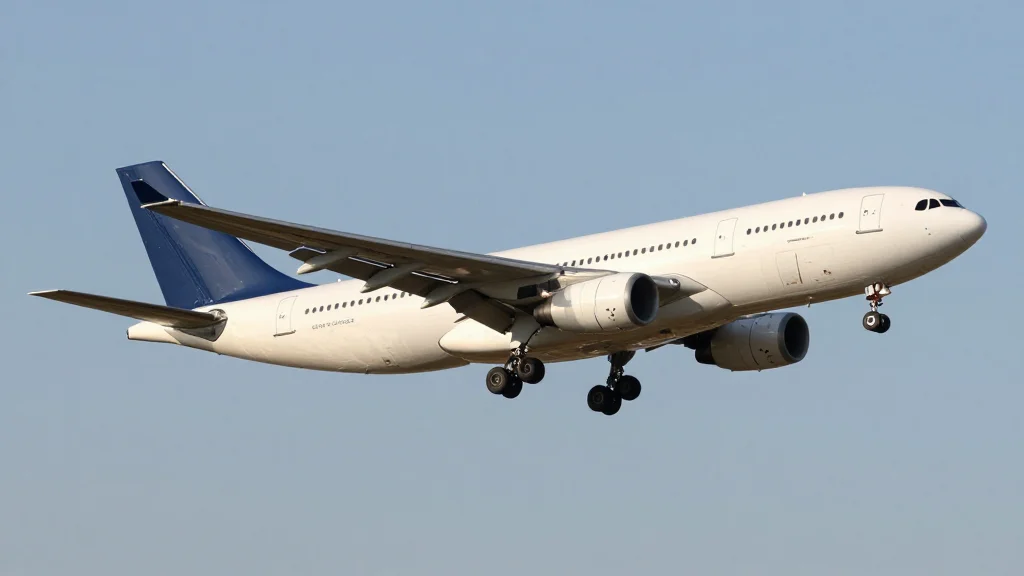
Italy Switches €1.39 Bn Tanker Order From Boeing to Airbus, Redefining Europe’s Air‑Refueler Market

Companies Mentioned
Why It Matters
The Italian contract illustrates a decisive move toward European strategic autonomy in defence aerospace, reinforcing the continent’s industrial base and reducing reliance on U.S. platforms. By aligning with the Airbus A330 MRTT, Italy not only gains a proven, interoperable tanker but also strengthens a supply chain that can be coordinated across multiple NATO allies, enhancing collective readiness. For the broader aerospace sector, the deal signals a potential re‑balancing of market share: Airbus’s dominance in the military tanker niche is likely to grow, while Boeing faces a shrinking addressable market for the KC‑46 Pegasus. This shift could accelerate further European collaborations on next‑generation air‑refuelling and transport solutions, influencing future procurement strategies across the alliance.
Key Takeaways
- •Italy signed a €1.39 bn (≈ $1.51 bn) contract for six Airbus A330 MRTT tankers on 16 April 2026.
- •The deal cancels the previously planned purchase of Boeing KC‑46 Pegasus tankers, ending Italy’s U.S.‑centric tanker programme.
- •Airbus now counts 19 global operators of the A330 MRTT, solidifying its NATO‑standard status.
- •Technical issues with the KC‑46, including $23 million in damage from boom‑nozzle failures, contributed to the shift.
- •The contract includes ten years of logistics support, with deliveries expected to start in late 2027.
Pulse Analysis
Italy’s pivot reflects a broader European trend toward consolidating defence procurement within the continent’s industrial ecosystem. By choosing the Airbus A330 MRTT, Rome not only secures a platform with a proven operational record but also taps into a logistics network that can be coordinated with France, Spain and the United Kingdom. This alignment reduces the friction of cross‑border support that has historically plagued mixed‑fleet operations and positions Europe to negotiate more favourable terms with the United States on future joint projects.
For Boeing, the loss is two‑fold: a direct revenue hit and a symbolic erosion of its influence in the NATO tanker market. The KC‑46’s technical setbacks, highlighted by the 2025 accident report, have eroded confidence among potential European buyers. Boeing may need to accelerate remedial upgrades or pivot to offering retrofit services for existing fleets to retain relevance. Meanwhile, Airbus can leverage this win to market the MRTT as the default choice for NATO standardisation, potentially bundling it with future European fighter programmes and joint training initiatives.
Looking forward, the Italian decision could act as a catalyst for other European states to reassess their tanker strategies, especially as the EU pushes for greater strategic autonomy. If additional NATO members follow Italy’s lead, the cumulative effect could reshape the transatlantic defence supply chain, compelling the United States to offer more competitive terms or to co‑develop next‑generation refuelling solutions with European partners. The next few years will reveal whether this shift is an isolated procurement choice or the opening move of a larger realignment in the aerospace defence market.
Italy Switches €1.39 bn Tanker Order from Boeing to Airbus, Redefining Europe’s Air‑Refueler Market
Comments
Want to join the conversation?
Loading comments...