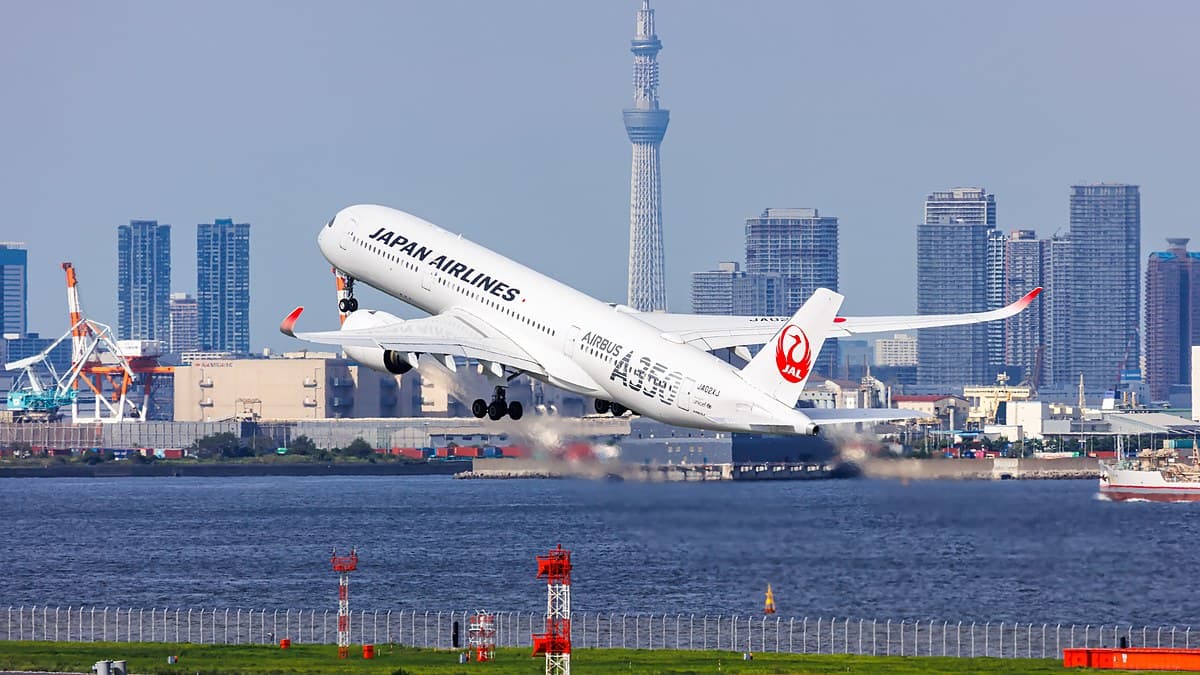
Japanese Firms Aim to Make 100% of Their Jet Fuel From Local Wood
Companies Mentioned
Why It Matters
A wholly domestic SAF chain cuts Japan’s dependence on imported feedstocks, accelerates aviation decarbonisation, and sidesteps the food‑versus‑fuel dilemma.
Key Takeaways
- •Idemitsu Kosan and Morisora Biorefinery sign MOU for wood‑based jet fuel
- •Project MORISORA aims for 100% domestic supply chain from forest to fuel
- •Alcohol‑to‑jet (ATJ) technology will convert bioethanol E2G into aviation fuel
- •Japan Airlines and Airbus back the venture, with JAL taking equity stake
Pulse Analysis
Sustainable aviation fuel (SAF) is quickly becoming the aviation sector’s most viable path to carbon neutrality, yet feedstock availability remains a critical bottleneck. Japan’s reliance on imported oils for hydroprocessed esters and fatty acids (HEFA) fuels exposes the market to price volatility and geopolitical risk. By turning abundant domestic woody biomass into bioethanol, the Idemitsu‑Morisora partnership taps a non‑edible resource, eliminating the food‑versus‑fuel conflict that has hampered earlier biofuel initiatives. This approach aligns with Japan’s broader climate commitments and leverages the country’s extensive forest resources, offering a scalable, low‑carbon feedstock that can be harvested sustainably.
The core of the project hinges on alcohol‑to‑jet (ATJ) technology, which transforms bioethanol into jet‑grade hydrocarbons through a catalytic process. Unlike HEFA, which depends on a narrow pool of fats, oils and greases, ATJ can accept a wide variety of biomass‑derived alcohols, expanding the feedstock base dramatically. Idemitsu’s pilot aims to validate commercial viability, demonstrating that domestically produced E2G can meet stringent aviation specifications while delivering comparable lifecycle emissions reductions. Successful verification would provide a hedge against global feedstock scarcity and position Idemitsu as a pioneer in diversified SAF production pathways.
Strategically, the collaboration signals a shift toward energy self‑sufficiency in Japan’s high‑tech industries. With Japan Airlines and Airbus already on board—and JAL acquiring an equity stake—the venture benefits from airline expertise in fuel logistics and demand forecasting. If the supply chain reaches full scale, it could supply a significant portion of Japan’s domestic aviation fuel needs, reducing import costs and enhancing energy security. Moreover, the project could catalyze ancillary markets, such as forest management services and bio‑chemical manufacturing, creating new revenue streams and jobs while advancing the nation’s net‑zero goals.
Japanese Firms Aim to Make 100% of their Jet Fuel from Local Wood
Comments
Want to join the conversation?
Loading comments...