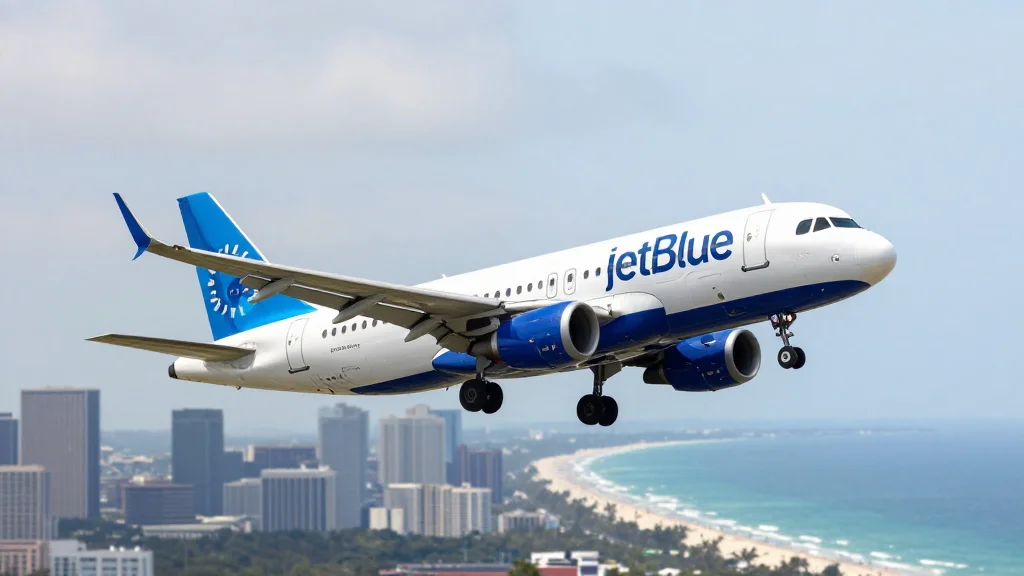
JetBlue Drops Manchester‑Boston Flights Amid Weak Demand

Companies Mentioned
Why It Matters
The route’s cancellation highlights the delicate balance airlines must strike between network breadth and profitability, especially as post‑pandemic travel patterns evolve. For the Northeast, reduced connectivity could pressure regional airports to attract new carriers or risk diminished passenger traffic. Moreover, JetBlue’s pivot toward South Florida underscores a strategic shift toward markets with stronger demand growth, signaling how legacy carriers are reshaping their route portfolios in response to competitive pressures and regulatory constraints on mergers.
Key Takeaways
- •JetBlue will cease Manchester‑Boston flights after averaging only 47 passengers per flight last year.
- •The airline cited a national capacity crisis as the reason for the route cut.
- •JetBlue is expanding its South Florida network to replace slots left by Spirit Airlines.
- •A 2024 bid by JetBlue to acquire Spirit was blocked on antitrust grounds.
- •The cancellation may open opportunities for regional carriers to serve southern New England.
Pulse Analysis
JetBlue’s decision to drop the Manchester‑Boston corridor is emblematic of a larger industry recalibration. As airlines emerge from the pandemic’s volatility, they are pruning routes that fail to meet load‑factor thresholds, even if those routes historically served niche markets. The 47‑passenger average on a 150‑seat aircraft translates to a load factor below 32%, a level that erodes revenue while still incurring fixed operating costs.
Strategically, JetBlue is redirecting assets to South Florida, a market that has shown resilient demand and limited competition after Spirit’s exit. By filling the vacated gate slots, JetBlue not only preserves its presence at key airports but also leverages higher-yield leisure traffic that aligns with its brand positioning. This shift may also be a defensive maneuver to preempt rivals like Southwest and Allegiant, which are eyeing the same growth corridors.
The broader implication for the Northeast is a potential reshuffling of service providers. Regional airlines could step in to capture the displaced demand, but they will need to negotiate favorable slot allocations and demonstrate profitability on a route that has proven challenging for a major carrier. For JetBlue, the move signals a willingness to sacrifice geographic coverage for financial health, a trade‑off that could define its competitive stance in the years ahead.
JetBlue drops Manchester‑Boston flights amid weak demand
Comments
Want to join the conversation?
Loading comments...