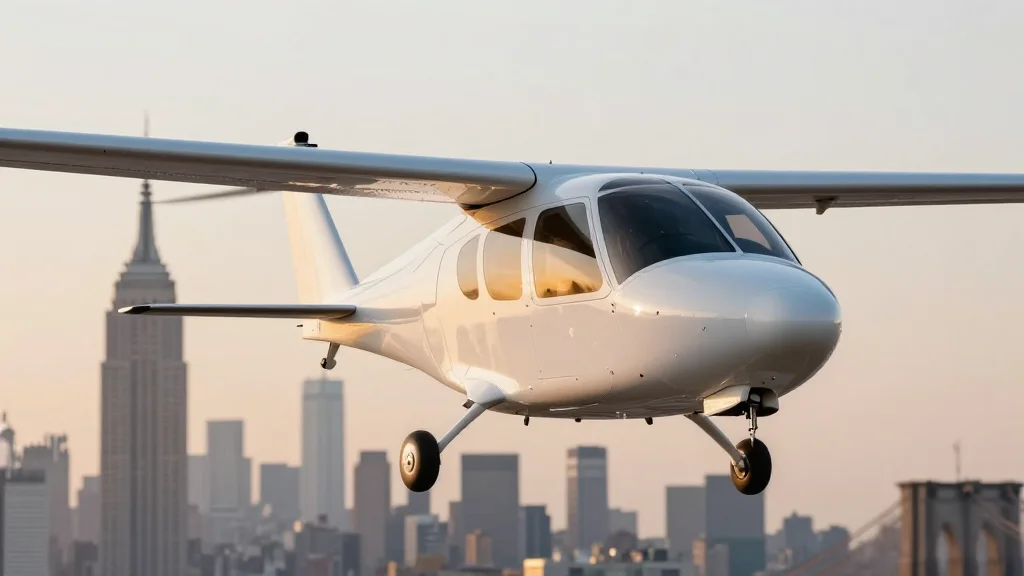
Joby Aviation Completes First Electric Air‑taxi Test at JFK, Manhattan

Companies Mentioned
Why It Matters
The New York trial demonstrates that electric vertical takeoff and landing (eVTOL) aircraft can operate safely alongside conventional traffic in one of the world’s busiest airspaces, addressing a key regulatory hurdle for the industry. By proving low‑noise, zero‑emission performance on existing heliports, Joby reduces the need for costly new infrastructure, making commercial rollout financially viable for cities and operators. If the FAA grants certification based on data from these flights, the urban air mobility market—projected to reach trillions of dollars over the next decade—could see its first large‑scale passenger service in a major U.S. market. That would trigger a cascade of investment, spur competition among eVTOL developers, and reshape short‑haul travel, logistics and emergency‑response operations in dense urban environments.
Key Takeaways
- •Joby Aviation completed its first point‑to‑point electric air‑taxi flight from JFK to Manhattan heliports in under 10 minutes
- •The S4 eVTOL produces ~45 dB in flight, about half the noise of a conventional helicopter
- •Blade CEO Rob Wiesenthal said the flight marks “the dawn of a new era of air mobility”
- •Joby’s stock rose 6.35% to $9.04 after the demonstration, with trading volume 64% above average
- •The trial is part of a FAA‑backed pilot program and could lead to limited passenger service in New York within a year
Pulse Analysis
Joby Aviation’s New York demonstration is more than a publicity stunt; it is a strategic move to lock in market share before competitors achieve full certification. By leveraging Blade’s existing heliport network, Joby sidesteps the capital‑intensive vertiport build‑outs that have slowed other entrants. This plug‑and‑play approach not only shortens the path to revenue but also gives the company leverage in negotiations with city officials and airlines that value immediate operational capability.
The competitive landscape is sharpening. Archer Aviation’s recent FAA “Means of Compliance” acceptance puts it ahead on the regulatory timeline, yet Archer relies on a distributed supply chain and external manufacturing partners, which could inflate unit costs and complicate quality control. Joby’s vertically integrated model, while cash‑intensive—its 2025 cash burn was around $500 million—offers tighter control over performance and potentially lower per‑flight operating expenses once economies of scale are achieved. Investors appear to be rewarding Joby’s tangible flight data, as reflected in the stock’s post‑flight rally, whereas Archer remains priced at roughly half of Joby’s market cap.
Looking ahead, the key risk remains FAA certification and the ability to monetize the service at a price point competitive with premium ground transport. If Joby can demonstrate consistent safety, noise compliance and cost‑effectiveness, the company could secure early contracts with airlines and ride‑share platforms, creating a virtuous cycle of demand and funding. Conversely, any setback in certification or cost overruns could widen the gap for Archer and other rivals, reshaping the hierarchy of the nascent eVTOL market. The New York trial, therefore, is a litmus test for both technology and business model viability, and its outcome will likely influence capital allocation across the entire urban air mobility sector.
Joby Aviation completes first electric air‑taxi test at JFK, Manhattan
Comments
Want to join the conversation?
Loading comments...