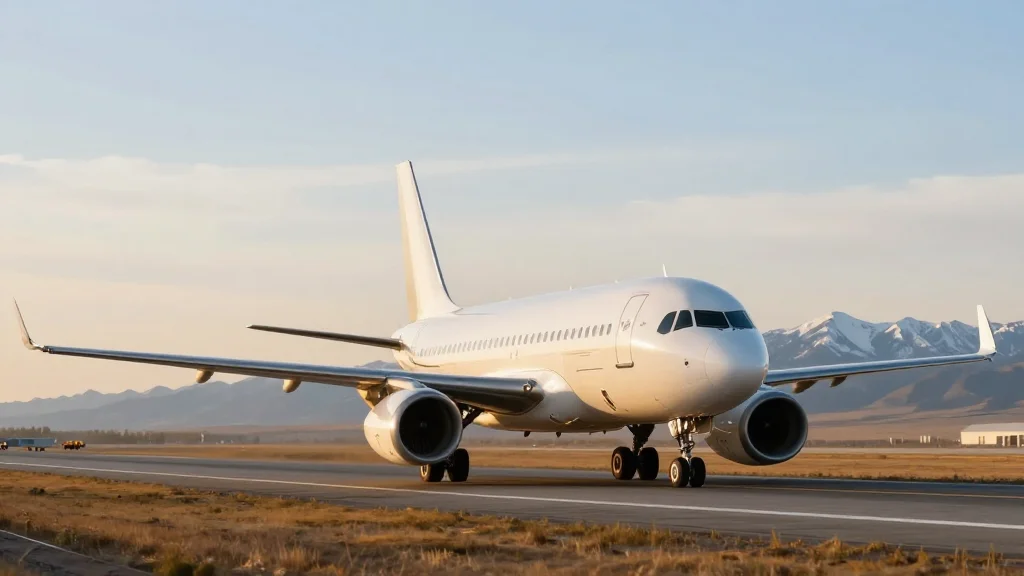
Kazakhstan's Aircraft Fleet to More than Double by 2040
Companies Mentioned

Why It Matters
A larger fleet will increase Kazakhstan’s air connectivity, attract tourism, and position the country as a regional hub, driving revenue for airlines and ancillary aviation services. The growth also creates opportunities for aircraft manufacturers, financiers, and MRO providers targeting a fast‑expanding market.
Key Takeaways
- •Fleet to exceed 300 aircraft by 2040, up from ~140 today
- •Government incentives target Air Astana’s US and European routes
- •Aviation sector expected to attract billions in private investment
- •Expanded fleet supports Kazakhstan’s broader economic diversification
- •MRO and leasing markets poised for regional growth
Pulse Analysis
Kazakhstan’s ambitious plan to more than double its commercial aircraft fleet by 2040 reflects a strategic pivot toward becoming a Central Asian aviation hub. The current fleet of roughly 140 jets, dominated by Air Astana’s narrow‑body Airbus and Boeing models, will need to swell to over 300 aircraft to meet projected demand. Government backing, including potential state aid and tax incentives, is designed to accelerate fleet renewal and stimulate new long‑haul services, particularly to the United States and Europe. This policy dovetails with the nation’s broader economic diversification agenda, reducing reliance on extractive industries and fostering tourism and trade.
The expansion presents a fertile landscape for aircraft manufacturers and financiers. Boeing and Airbus are likely to vie for a larger share of orders, while leasing firms can capitalize on the anticipated surge in demand for both new and second‑hand aircraft. Moreover, the anticipated increase in flight frequencies and new routes will drive growth in ancillary services such as ground handling, catering, and airport infrastructure upgrades. Regional MRO providers stand to benefit from higher utilization rates and the need for localized maintenance capabilities, potentially reducing dependence on foreign facilities.
For investors and industry stakeholders, Kazakhstan’s fleet growth signals a long‑term revenue stream and a stable market for aviation‑related assets. The country’s strategic location bridges Europe and Asia, offering airlines a convenient stopover point. As the fleet expands, so will the country’s bargaining power in bilateral air service agreements, further enhancing connectivity. Companies that position themselves early—whether through aircraft sales, financing, leasing, or MRO services—are likely to capture a share of the emerging Central Asian aviation market.
Kazakhstan's aircraft fleet to more than double by 2040
Comments
Want to join the conversation?
Loading comments...