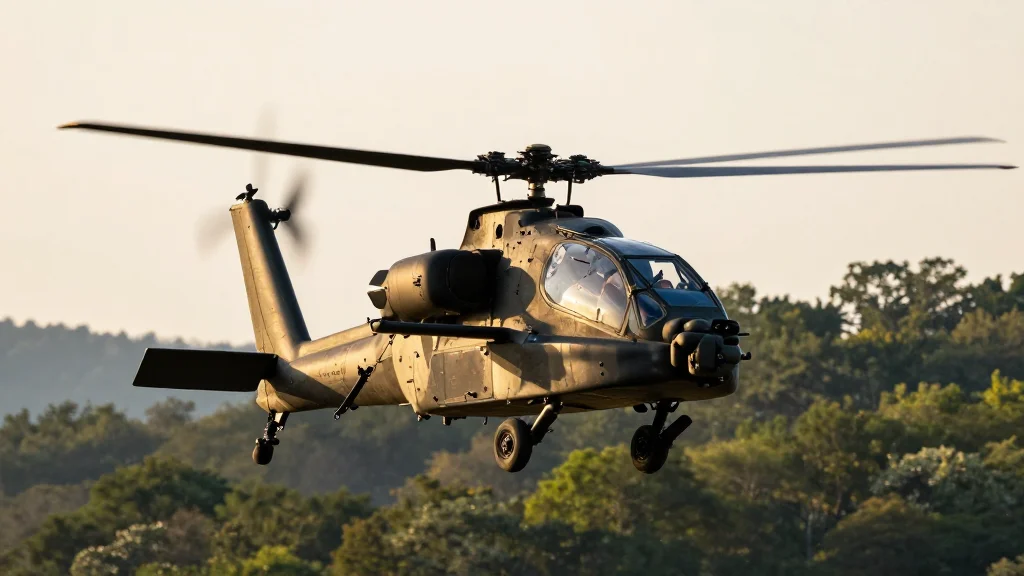
Kid Rock’s Apache Helicopter Ride Over Virginia Raises New Scrutiny

Why It Matters
The incident highlights the tension between the Department of Defense’s public‑affairs mission and the risk of perceived commercialization of military hardware. When a high‑profile entertainer like Kid Rock is seen in a combat‑grade Apache, it raises questions about the appropriateness of leveraging taxpayer‑funded assets for private promotion, potentially eroding public confidence in the military’s neutrality. Beyond optics, the episode could influence policy. Congressional scrutiny may lead to tighter controls on media access, affecting how the Pentagon engages with the entertainment industry, defense contractors, and advocacy groups. A shift in policy could reshape the landscape of military‑public relations, limiting future promotional flights and reinforcing the principle that defense assets remain strictly for national security purposes.
Key Takeaways
- •Kid Rock rode an Army Apache AH‑64 helicopter over Virginia on April 28, 2026.
- •Defense Secretary Pete Hegseth posed with Kid Rock during the Freedom 250 promo.
- •Veterans groups and lawmakers criticized the use of a combat‑grade aircraft for a celebrity stunt.
- •Pentagon’s March 2026 directive requires external entities to obtain waivers for non‑governmental use of military assets.
- •House Armed Services Committee may review and tighten policies on military‑commercial collaborations.
Pulse Analysis
Kid Rock’s Apache flight is more than a publicity stunt; it serves as a litmus test for the Pentagon’s evolving public‑affairs strategy. Historically, the Department of Defense has allowed limited media access to showcase cutting‑edge platforms, a practice that bolsters recruitment and public support. However, the line between outreach and endorsement is increasingly scrutinized, especially as the political climate grows more polarized. The current controversy could accelerate a shift toward a more restrictive regime, echoing earlier reforms that limited the use of military imagery in political campaigns.
If Congress tightens oversight, defense contractors and entertainment firms may need to recalibrate their marketing playbooks. The loss of high‑visibility platforms like live aircraft demonstrations could push advertisers toward virtual simulations or augmented‑reality experiences that sidestep the need for actual hardware. This pivot would preserve the military’s operational integrity while still offering compelling content for public consumption.
In the longer term, the incident may prompt a cultural reassessment within the armed forces about the role of service members in public events. While morale‑boosting engagements remain valuable, the balance must tilt toward preserving the apolitical nature of the uniform. The outcome of the House review will likely set a precedent that defines how, and how often, the military can partner with celebrities without compromising its core mission.
Kid Rock’s Apache Helicopter Ride Over Virginia Raises New Scrutiny
Comments
Want to join the conversation?
Loading comments...