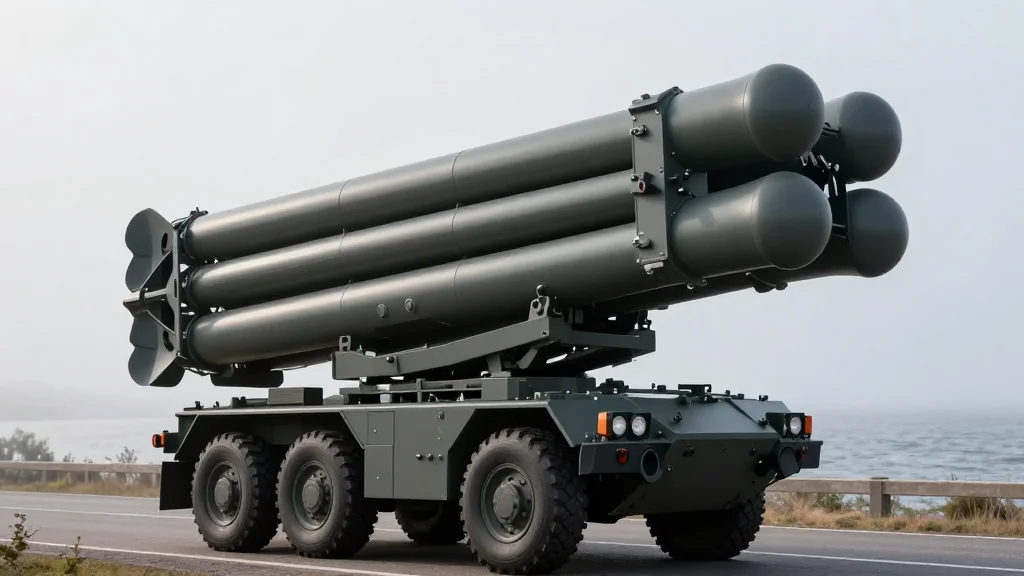
Leaders Complain Europe Lack Anti-Ballistic Missile Capability
Why It Matters
The lack of a unified ABM architecture threatens NATO’s collective security and could compel costly ad‑hoc national solutions, undermining deterrence in a volatile security environment.
Key Takeaways
- •European leaders cite missile gap versus Russia's hypersonic arsenal
- •NATO lacks integrated anti‑ballistic missile shield across members
- •SAMP/T system deployed to Estonia as first rotational ABM unit
- •EU defense budget constraints delay home‑grown interceptor projects
- •U.S. urges Europe to share costs for a continental missile shield
Pulse Analysis
Russia’s rapid development of hypersonic glide vehicles and advanced ballistic missiles has exposed a glaring shortfall in Europe’s layered defense architecture. While NATO’s air‑defense umbrella—primarily designed for aircraft and cruise missiles—remains robust, it lacks the high‑altitude interceptors needed to neutralize incoming ballistic threats. This capability gap has prompted senior European officials to publicly demand a continental ABM solution, echoing concerns first raised after Moscow’s 2023 missile tests that reportedly breached existing radar coverage. The urgency is amplified by China’s expanding missile footprint in Europe’s eastern flank, prompting a strategic reassessment among alliance members.
The deployment of the French‑Italian SAMP/T (Surface-to-Air Missile Platform/Terrain) system to Estonia’s Amari airbase represents a tangible, albeit limited, step toward addressing the shortfall. The SAMP/T, originally conceived for air‑defense against aircraft and short‑range missiles, has been upgraded with Aster 30 interceptors capable of engaging ballistic trajectories up to 120 km altitude. Its rotational presence—scheduled for six‑month stints—provides the Baltics with a proof‑of‑concept for integrating Western ABM assets into NATO’s command structure. Analysts view the move as a diplomatic signal that Europe can field interoperable missile‑defense platforms, even as indigenous interceptor programs like Germany’s IRIS‑T and France’s Aster‑30 Block 2 remain in development.
Looking ahead, the primary challenge lies in financing and coordinating a pan‑European shield. The EU’s defense budget, constrained by competing priorities, has delayed several home‑grown interceptor projects, while the United States is urging its allies to shoulder a larger share of the cost burden. Proposals under discussion include a joint funding pool for next‑generation ABM systems and the establishment of a NATO‑wide command center dedicated to ballistic‑missile monitoring. If Europe can coalesce around a shared funding model and integrate platforms like SAMP/T into a cohesive network, it will not only close the current capability gap but also reinforce the alliance’s deterrence posture against emerging missile threats.
Leaders complain Europe lack anti-ballistic missile capability
Comments
Want to join the conversation?
Loading comments...