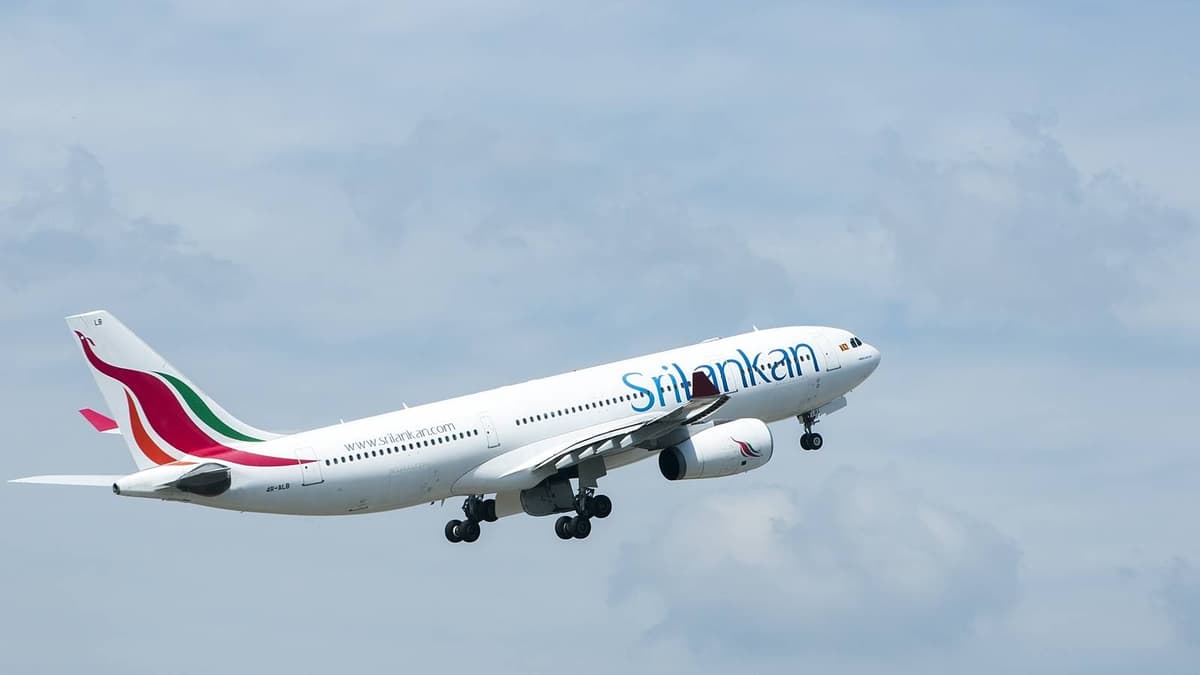
Lightning Strikes SriLankan A330 Engine, Sparking Flames And Mid-Air Turnback
Companies Mentioned
Why It Matters
The safe return demonstrates the effectiveness of modern lightning‑protection and crew training, reinforcing confidence in long‑haul operations. It also highlights the importance of rapid contingency planning for airlines facing unexpected technical events.
Key Takeaways
- •Lightning strike forced SriLankan A330‑200 to return to Colombo.
- •All 207 passengers and 16 crew landed safely, no injuries.
- •Replacement aircraft dispatched, passengers continued to Sydney same day.
- •Incident underscores Airbus A330 engine protection against lightning.
Pulse Analysis
Lightning strikes are a known hazard for aircraft, but modern designs mitigate the risk through robust shielding and grounding. The Airbus A330‑200, powered by Rolls‑Royce Trent 772B‑60 turbofans, incorporates lightning‑strike protection that channels electrical energy away from critical components. When the SriLankan flight encountered a strike, the engine’s protective systems prevented catastrophic failure, allowing the crew to assess the situation and execute a controlled return. This incident underscores how engineering advances continue to safeguard passengers despite nature’s unpredictability.
The crew’s decision to turn back exemplifies rigorous training and adherence to safety protocols. By opting for an immediate return rather than attempting to continue to Sydney, the pilots prioritized passenger welfare and aircraft integrity. SriLankan Airlines’ rapid deployment of a replacement aircraft minimized disruption, enabling travelers to resume their itinerary within hours. Such operational agility not only preserves the airline’s reputation but also demonstrates the value of contingency planning in mitigating revenue loss and customer inconvenience during unforeseen events.
Industry‑wide, the episode reinforces the importance of transparent communication and continuous monitoring of aircraft health. Regulators and manufacturers track lightning‑strike incidents to refine certification standards and improve detection technologies. As airlines expand long‑haul networks, investments in real‑time weather analytics and enhanced crew decision‑support tools become critical. The SriLankan A330 event serves as a reminder that while lightning remains an occasional threat, the combination of resilient aircraft design and proactive operational response keeps commercial aviation among the safest modes of transport.
Lightning Strikes SriLankan A330 Engine, Sparking Flames And Mid-Air Turnback
Comments
Want to join the conversation?
Loading comments...