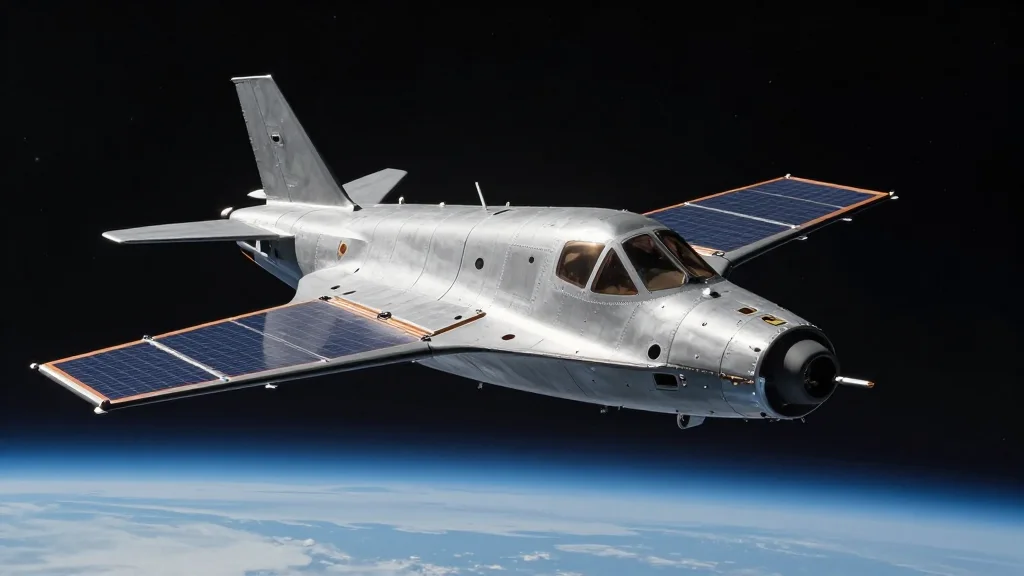
Lockheed Martin Wins U.S. Space Force Contracts to Build Space‑Based Interceptor

Companies Mentioned
Why It Matters
The SBI contracts represent a strategic pivot toward space‑based missile defense, addressing vulnerabilities in the current layered shield against hypersonic and advanced ballistic threats. By moving interceptors into orbit, the United States can engage hostile missiles earlier, increasing the probability of successful interception and enhancing deterrence. The program also reinforces the U.S. industrial base, leveraging Lockheed Martin’s existing interceptor technologies while driving innovation in space launch, sensor integration and command‑and‑control architectures. If successful, the SBI could become a cornerstone of NATO and allied defense planning, offering a shared capability that extends protection beyond national borders. Conversely, challenges in cost, system resilience and anti‑satellite countermeasures could influence future procurement decisions and shape the geopolitical balance in the increasingly contested space domain.
Key Takeaways
- •Lockheed Martin awarded contracts by U.S. Space Force Space Systems Command to develop Space‑Based Interceptor (SBI) system.
- •Program aims for an integrated demonstration by 2028, adding an early‑engagement layer to the missile‑defense shield.
- •SBI leverages Lockheed’s THAAD, PAC‑3, Next Generation Interceptor, hypersonic strike and missile‑warning technologies.
- •Contracts signal a shift toward space‑centric defense against hypersonic and advanced ballistic threats.
- •Success will depend on sensor integration, launch reliability, and protection against anti‑satellite threats.
Pulse Analysis
Lockheed Martin’s SBI award is more than a contract; it is a declaration that space will be a primary battleground for missile defense. Historically, the U.S. layered shield has relied on ground‑based interceptors like THAAD and the Patriot system, which, while effective, are constrained by line‑of‑sight and reaction time. By moving the intercept point to low‑Earth orbit, the SBI can engage threats at greater distances and with longer decision windows, fundamentally altering the kill chain.
The timing aligns with a broader Pentagon push to field hypersonic defenses before 2030, a response to rapid advances by near‑peer competitors. Lockheed’s deep portfolio gives it a competitive edge, but the program also opens doors for niche suppliers—especially in high‑throughput launch services, AI‑driven targeting algorithms and resilient communications. If the 2028 demonstration meets performance and cost targets, it could trigger a cascade of follow‑on contracts, cementing Lockheed’s dominance while prompting rivals like Boeing and Northrop Grumman to chase complementary roles.
However, the SBI’s success is not guaranteed. Deploying a constellation of interceptors raises questions about affordability, orbital debris, and vulnerability to anti‑satellite weapons. The defense community will need to balance the strategic benefits of early engagement against the operational risks of a space‑based architecture. The next few years will reveal whether the SBI can deliver on its promise of a more survivable, deterrent‑rich shield or become another costly, technically challenging program in the defense pipeline.
Lockheed Martin Wins U.S. Space Force Contracts to Build Space‑Based Interceptor
Comments
Want to join the conversation?
Loading comments...