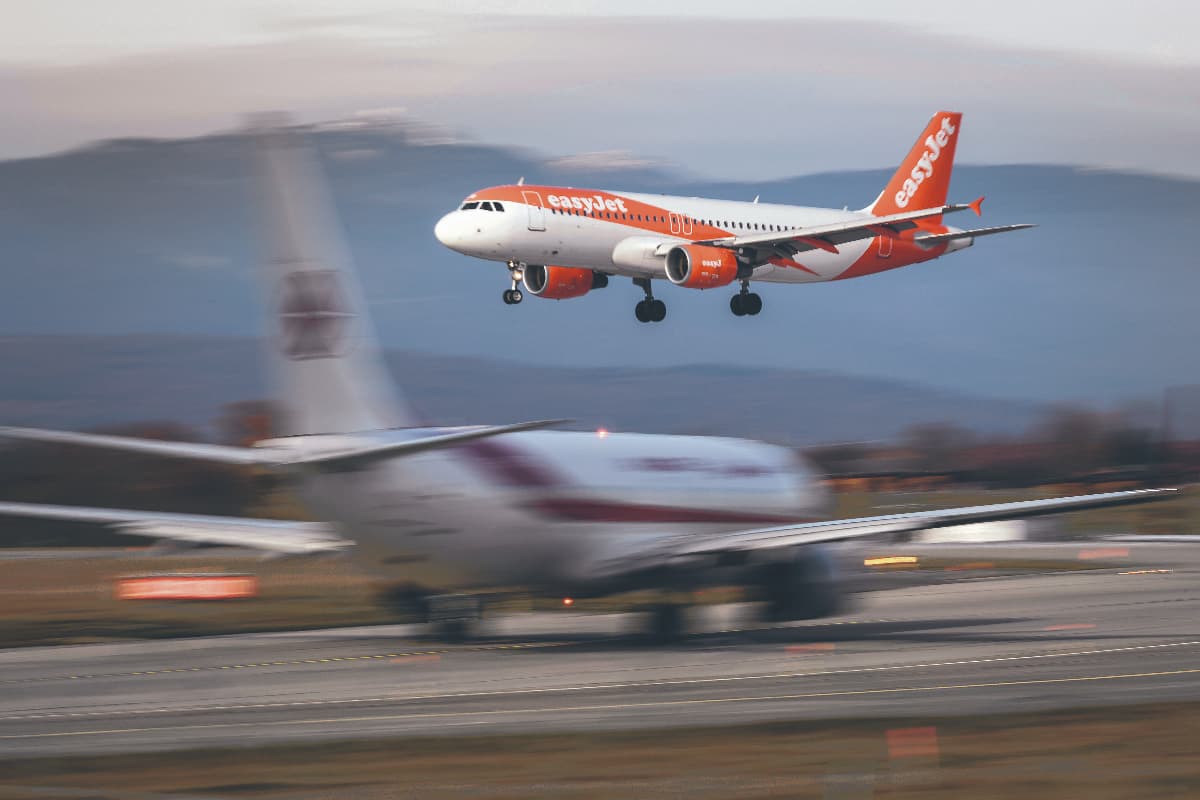
Losses Balloon at Easyjet Despite Seeing ‘No Disruption’ to Jet Fuel Supplies
Why It Matters
The widening loss underscores how fuel‑price volatility can erode low‑cost carrier margins, pressuring investors and potentially reshaping European airline competition.
Key Takeaways
- •EasyJet loss rises to £552 m ($700 m) despite stable fuel supply
- •Forward bookings down 2% YoY, lowering earnings visibility
- •Hedging shields current fuel costs but expires later this year
- •Ryanair warns rivals could face bankruptcy if fuel squeeze persists
Pulse Analysis
The Middle‑East conflict has sent refined jet‑fuel prices soaring, a shock that reverberates across the airline sector. While many carriers rely on long‑term hedging to lock in pre‑crisis costs, the rapid escalation has exposed the limits of those contracts. EasyJet’s ability to keep fuel expenses in check for now reflects a disciplined risk‑management strategy, yet the looming expiry of hedges raises questions about cost pressures in the summer peak season. Analysts are watching closely as the industry balances price stability against the need for flexibility in an uncertain geopolitical climate.
EasyJet’s latest half‑year results reveal a loss of £552 million, roughly $700 million, widening from the previous £394 million. The loss aligns with internal forecasts, but the headline figure has rattled investors, pushing the share price down more than 25% since the Iran‑related war began. Despite a 22% surge in its holidays arm and higher passenger volumes, forward bookings slipped 2% year‑on‑year, curbing revenue visibility. Management points to a strong investment‑grade balance sheet as a cushion, but the market remains wary of how quickly the airline can translate its holiday growth into profitability amid tightening cash flows.
The broader European low‑cost market faces a crossroads. Ryanair’s chief executive has warned that carriers heavily exposed to fuel volatility could falter, positioning Ryanair as a potential survivor if it can avoid steep fare hikes. Government moves to relax sanctions on Russian‑refined oil aim to ease supply bottlenecks, yet the long‑term outlook hinges on the durability of hedging contracts and the speed of geopolitical resolution. For investors and travelers alike, the key takeaway is that price stability may be short‑lived, prompting airlines to reassess pricing strategies, cost structures, and capital allocation as they navigate an increasingly volatile energy landscape.
Losses balloon at Easyjet despite seeing ‘no disruption’ to jet fuel supplies
Comments
Want to join the conversation?
Loading comments...