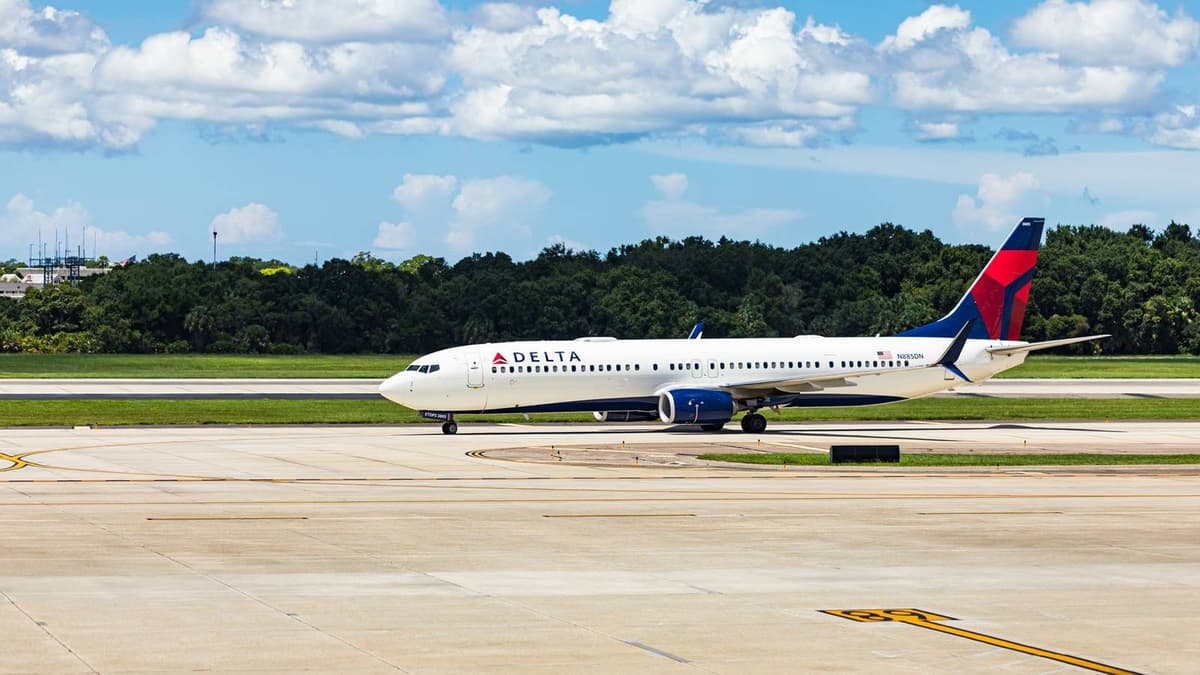
Low Fuel: Delta Air Lines Flight Diverts After Disabled Plane Occupies Albuquerque Runway
Why It Matters
The diversion illustrates how sudden runway closures can strain airline fuel margins and trigger costly operational adjustments, highlighting the need for robust contingency planning in the aviation industry.
Key Takeaways
- •Delta 1109 diverted to Farmington after runway closure in Albuquerque
- •178 passengers and six crew held for low fuel
- •General‑aviation plane's mechanical issue blocked runway safety area
- •Diversion underscores tight fuel planning and contingency rules
- •Aircraft repositioned to Albuquerque later that evening, passenger‑free
Pulse Analysis
The unexpected shutdown of Albuquerque International Sunport’s primary runway on May 24 forced Delta Air Lines flight 1109, a Boeing 737‑900ER carrying 178 passengers and six crew, to abort its landing and divert to Farmington Four Corners Regional Airport, roughly 140 miles away. A general‑aviation aircraft suffered a mechanical failure after touching down, leaving the runway safety area blocked for several minutes. With fuel reserves dwindling during the brief hold, the captain elected a go‑around and subsequently filed a diversion to the nearest suitable alternate. The aircraft landed safely in Farmington, where passengers received meals before being bused back to Albuquerque.
The episode highlights how tightly airlines must manage fuel reserves. Federal Aviation Administration regulations require commercial operators to carry contingency fuel that covers expected delays, a missed approach, and an alternate airport, yet the margin remains slim when an unplanned runway closure occurs at the final approach stage. Low‑fuel diversions have risen in recent years as airlines pursue leaner schedules and higher aircraft utilization to keep ticket prices competitive. Each such event forces airlines to balance safety imperatives against the cost of additional fuel weight and potential schedule disruptions.
For Delta, the diversion incurred extra costs—ground handling at a smaller airport, passenger accommodations, and a repositioning flight to return the aircraft to its original network. It also underscores the importance of real‑time coordination between airlines, air traffic control, and airport operations to minimize passenger inconvenience. Industry analysts suggest that airports may invest in faster runway‑clearing protocols and that airlines could incorporate more robust fuel buffers for routes prone to weather‑related or mechanical disruptions. Ultimately, incidents like this reinforce the resilience of aviation safety systems while reminding carriers that operational margins are increasingly fragile.
Low Fuel: Delta Air Lines Flight Diverts After Disabled Plane Occupies Albuquerque Runway
Comments
Want to join the conversation?
Loading comments...