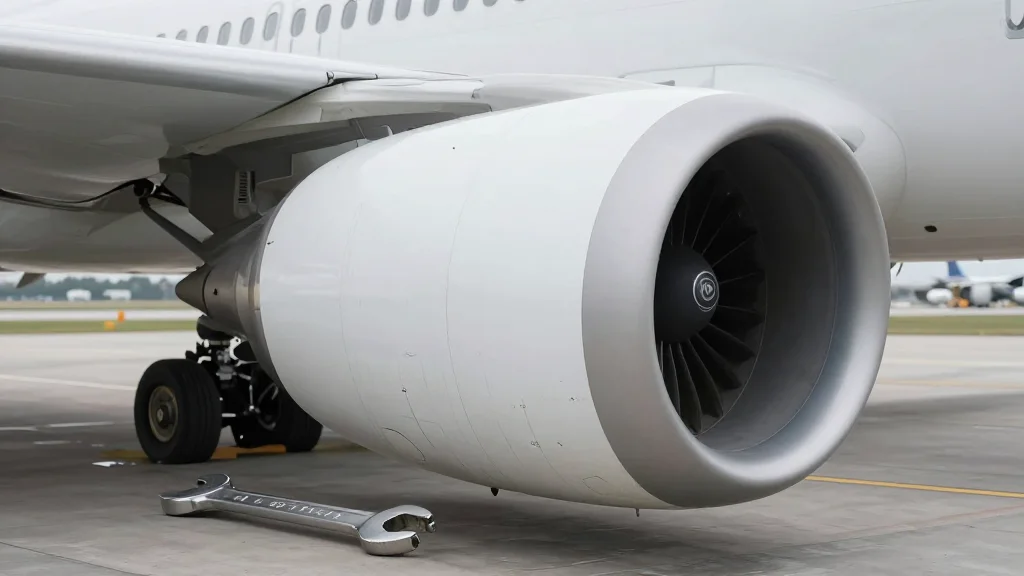
Maintenance Delays Cost Nepal Airlines Price of New APU
Companies Mentioned
Why It Matters
The unexpected APU expense deepens Nepal Airlines’ cash‑flow pressures, underscoring how maintenance bottlenecks can quickly translate into capital‑intensive replacements. For the regional aviation market, it signals the need for stronger MRO capabilities and governance reforms to curb cost overruns.
Key Takeaways
- •Maintenance delays pushed Nepal Airlines to purchase a new APU costing ~US$1.5 million
- •APU failure added to airline’s existing debt burden and loan repayments
- •Delays expose limited in‑house MRO capacity at Nepal’s national carrier
- •Financial strain may accelerate calls for governance and director reforms
- •Cost highlights broader challenges for airlines operating aging Airbus A320 fleets
Pulse Analysis
The recent APU replacement at Nepal Airlines illustrates a classic ripple effect in airline operations: a single component failure, compounded by delayed maintenance, can force a carrier into a costly capital purchase. An auxiliary power unit, essential for ground power and engine start‑up, typically costs between $1 million and $2 million for an Airbus A320. When the airline’s scheduled maintenance window slipped, the aging unit could not be repaired in time, prompting the purchase of a brand‑new APU. This expense, while one‑off, adds to a string of financial obligations the carrier has faced, including a $3.7 million aircraft loan payment and a $2.1 million engine lease dispute recorded earlier in the year.
For Nepal Airlines, a state‑owned carrier with a history of politically appointed directors and governance scrutiny, the APU cost is more than a balance‑sheet line item. It reflects systemic inefficiencies in its maintenance, repair and overhaul (MRO) ecosystem. The airline relies heavily on external MRO providers, which can lead to longer turnaround times and higher costs. Strengthening in‑house technical capabilities or negotiating better service‑level agreements could mitigate future delays and prevent similar capital expenditures.
The broader regional implication is clear: airlines operating older fleets in emerging markets must prioritize reliable maintenance infrastructure to protect profitability. As aircraft age, component failures become more frequent, and the margin for error shrinks. Investors and regulators are watching closely, especially after recent governance reforms and court interventions at Nepal Airlines. Demonstrating a proactive approach to MRO management could improve the carrier’s credit profile and restore confidence among lenders and passengers alike.
Maintenance delays cost Nepal Airlines price of new APU
Comments
Want to join the conversation?
Loading comments...