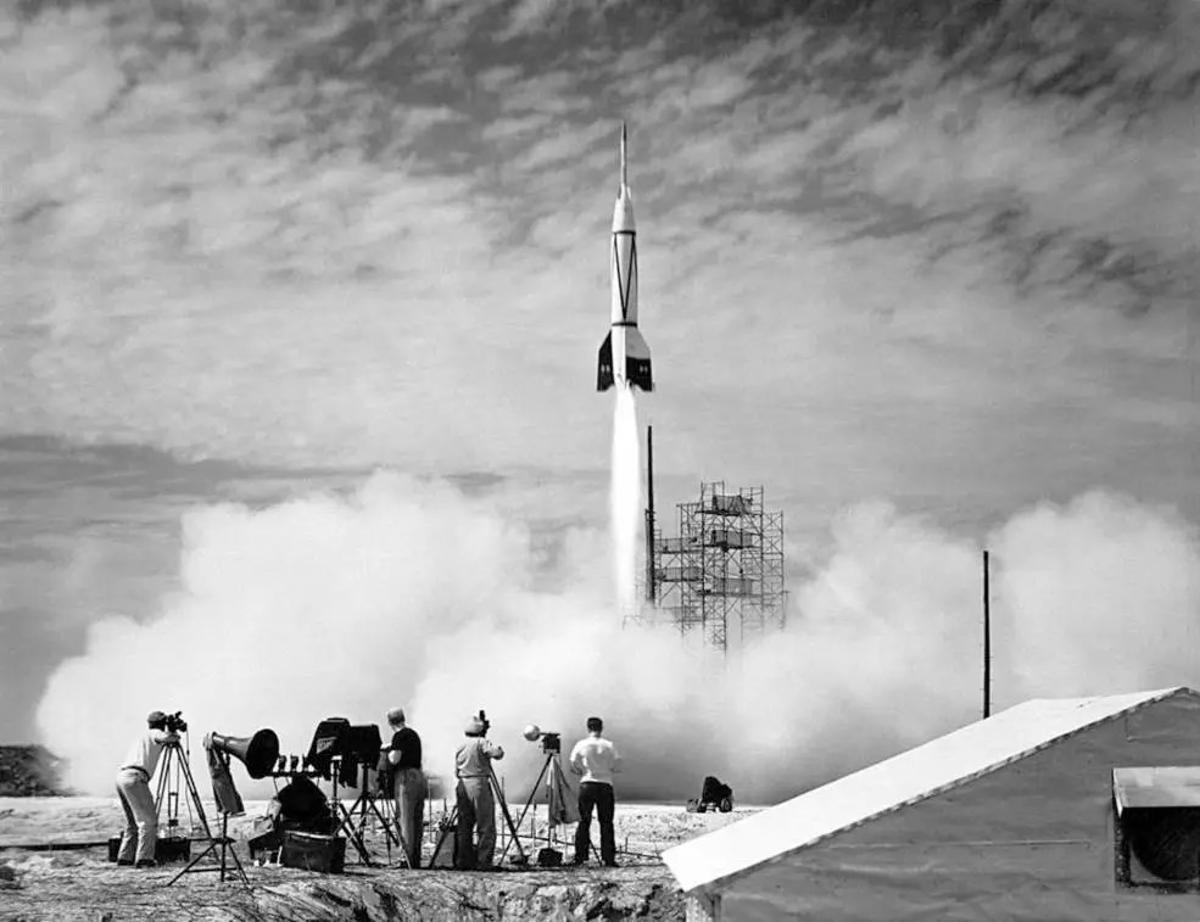
May 11, 1949: A Missile Range at Cape Canaveral
Companies Mentioned

NASA
Why It Matters
The Cape Canaveral range created the launch infrastructure that enabled America’s missile dominance and space‑flight achievements, shaping both national security and commercial space growth.
Key Takeaways
- •Truman signed Public Law 60 establishing Cape Canaveral proving grounds.
- •Site offered Atlantic flight path, year‑round weather, equatorial boost.
- •Joint Army, Navy, Air Force facility spurred inter‑service missile competition.
- •Early rockets like Redstone and Atlas launched from Cape Canaveral.
- •Facility evolved into NASA’s Kennedy Space Center, core of US space program.
Pulse Analysis
The decision to locate the United States’ first long‑range missile‑testing range at Cape Canaveral was driven by a blend of geography and logistics. With the Atlantic Ocean stretching eastward, launches could safely traverse unpopulated waters, while the nearby chain of islands provided natural down‑range tracking stations. Florida’s mild climate allowed operations throughout the year, and the proximity to the equator added roughly 1,000 feet per second of velocity to every lift‑off, a crucial advantage for both ballistic missiles and future space vehicles.
Signed into law by President Harry Truman on May 11, 1949, Public Law 60 created a joint Army‑Navy‑Air Force proving ground that quickly became a crucible for Cold‑War missile innovation. The inter‑service rivalry spurred rapid development of the Redstone, Atlas and later Titan rockets, each testing new propulsion, guidance and re‑entry technologies. These programs not only bolstered the United States’ strategic deterrent but also generated the engineering expertise that would later be repurposed for satellite launches, laying the groundwork for the nation’s early victories in the Space Race.
When NASA was formed in 1958, it inherited the Cape Canaveral infrastructure and, by 1962, established the Launch Operations Center on adjacent Merritt Island—later renamed the Kennedy Space Center after President Kennedy’s assassination. The site has since hosted every American crewed launch, from Mercury to Artemis, and remains the primary gateway for commercial heavy‑lift vehicles such as SpaceX’s Falcon Heavy and United Launch Alliance’s Vulcan. The original 1949 decision thus endures as a strategic asset, underpinning both national security and the burgeoning private space economy.
May 11, 1949: A missile range at Cape Canaveral
Comments
Want to join the conversation?
Loading comments...