May 26, 1959: The First Meeting of the Goett Committee
Why It Matters
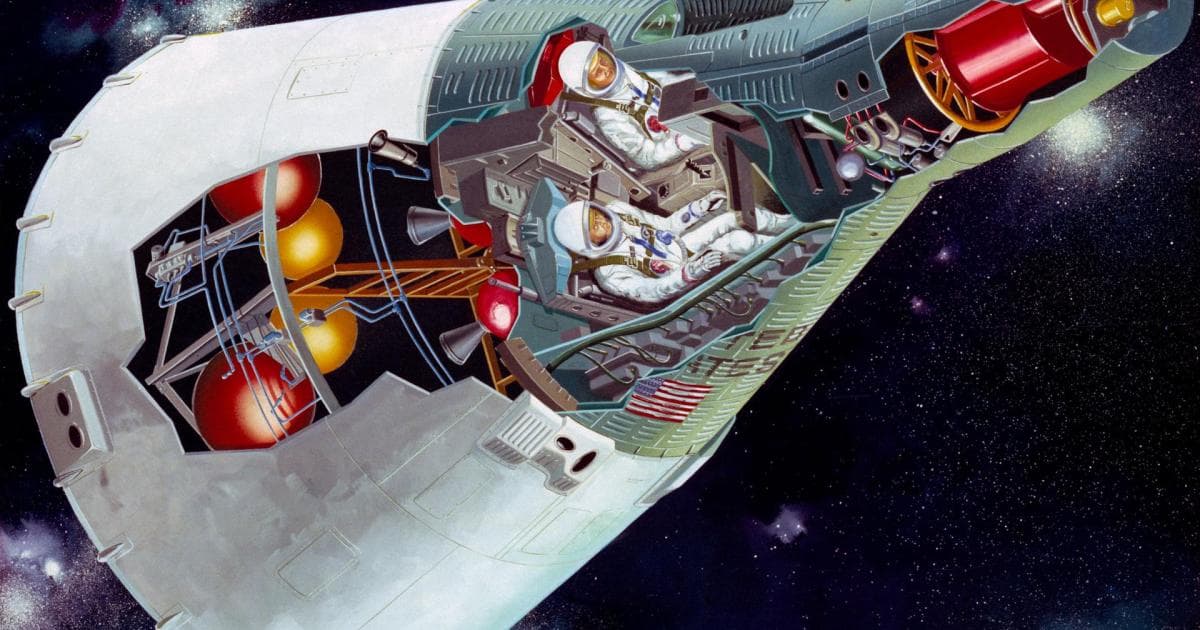
The Goett Committee’s vision directly shaped NASA’s Gemini program, which proved essential for mastering rendezvous, EVA and lunar‑mission techniques that powered Apollo’s success. Its early strategic planning set a template for coordinated government‑industry space initiatives.
Key Takeaways
- •Goett Committee set Gemini as Mercury’s direct successor
- •Recommended two‑person capsules, orbital lab, and lunar landing roadmap
- •Influenced NASA’s long‑term human spaceflight strategy
- •Established research priorities that shaped 1960s space technology
- •Highlighted early collaboration between Ames and emerging NASA leadership
Pulse Analysis
The Goett Committee emerged at a pivotal moment when the United States sought to cement its leadership in space amid Cold‑War pressures. Convened by NASA’s nascent leadership and staffed by engineers from Ames Research Center, the group’s mandate was to translate early orbital successes into a sustainable, long‑term human‑spaceflight program. By recommending a two‑person Gemini capsule, the committee anticipated the need for more complex missions—such as orbital rendezvous and extravehicular activity—that Mercury’s single‑seat design could not support. This forward‑looking approach ensured a seamless transition to more ambitious objectives.
Gemini’s development, directly seeded by the Goett Committee’s recommendations, became the crucible for technologies that defined the Apollo era. The program validated critical capabilities: precise docking, long‑duration flights, and spacewalks, all of which were indispensable for a lunar landing. Moreover, Gemini’s emphasis on crew cooperation and mission flexibility attracted substantial aerospace contracts, spurring growth in firms like McDonnell Aircraft and Grumman. The committee’s early alignment of research priorities with industry capacity accelerated hardware delivery and reduced development risk, illustrating the power of coordinated public‑private planning.
Today, the Goett Committee’s legacy resonates in modern crewed initiatives such as NASA’s Artemis program and commercial ventures like SpaceX’s Crew Dragon. The strategic foresight to prioritize modular, crew‑centric spacecraft continues to inform contract structures, risk‑sharing models, and technology roadmaps. Understanding this historical blueprint helps today’s executives anticipate how early policy decisions can shape decades of innovation, investment, and market dynamics in the rapidly evolving space sector.
May 26, 1959: The first meeting of the Goett Committee
Comments
Want to join the conversation?
Loading comments...