Meet NASA Low Outgassing Standards With Adhesives for Aerospace and Optical Systems
Why It Matters
Low‑outgassing adhesives prevent contamination of sensitive optics and electronics, preserving mission reliability and reducing costly rework. Meeting NASA standards is increasingly vital as satellite constellations and high‑vacuum manufacturing expand.
Key Takeaways
- •NASA ASTM E595 limits: <1% TML, <0.1% CVCM.
- •Master Bond EP30-2 meets low outgassing for aerospace optics.
- •Correct mix ratio, heat cure, and UV exposure ensure compliance.
- •Dual‑cure UV22DC80‑10F adds heat cure for shadowed areas.
- •Low‑outgassing adhesives safeguard satellites, telescopes, and semiconductor tools.
Pulse Analysis
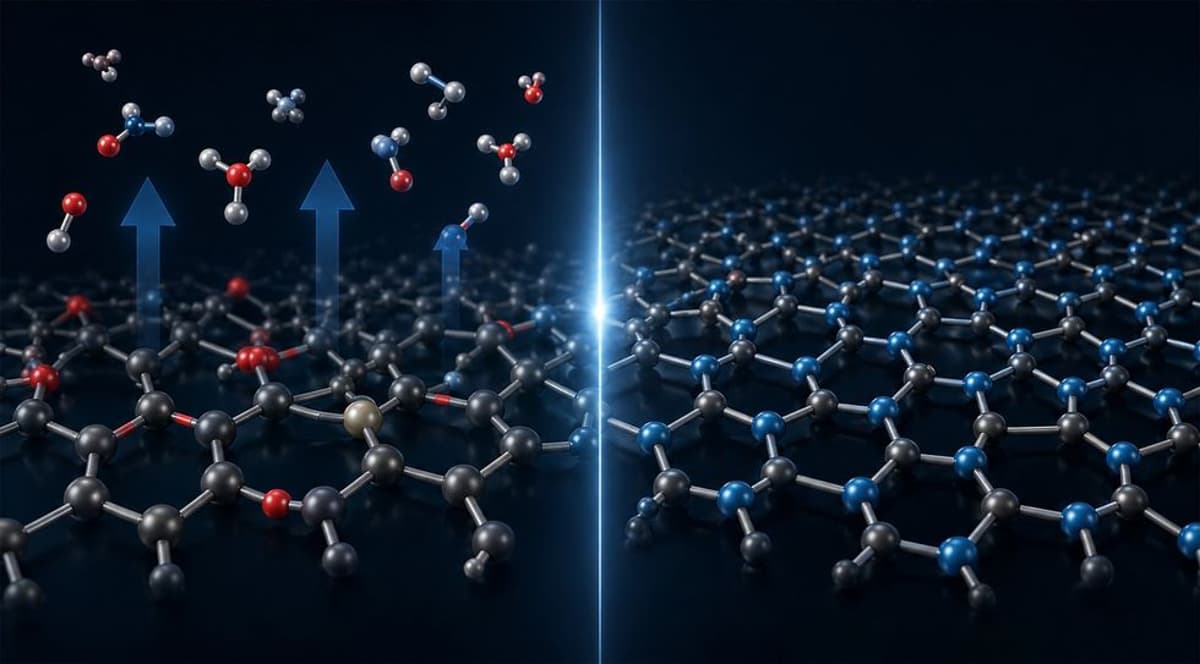
Outgassing— the gradual release of volatile compounds from cured polymers—has long been a hidden threat to high‑performance hardware. NASA’s ASTM E595 test subjects materials to a 125 °C vacuum bake for 24 hours, measuring total mass loss (TML) and collected volatile condensable material (CVCM). The stringent thresholds of less than 1 % TML and 0.1 % CVCM are designed to keep optical surfaces clear, prevent electronic shorting, and avoid particulate deposition in ultra‑high‑vacuum environments such as satellite payloads, space telescopes, and semiconductor fab tools.
Master Bond’s portfolio directly addresses these challenges. Two‑part epoxies EP30‑2 and EP21TCHT‑1 are formulated to stay below the NASA limits even after prolonged exposure to vacuum, while UV‑curable UV16 offers rapid cure without sacrificing outgassing performance. For assemblies where shadows hinder UV penetration, the dual‑cure UV22DC80‑10F initiates polymerization with UV light and completes cross‑linking through a modest 180 °F (80 °C) heat bake, ensuring full conversion and minimal residual volatiles. The company stresses precise mix ratios, thorough blending, and recommended cure schedules—often a post‑cure at 150‑200 °F—to drive the reaction to completion and lock down outgassing metrics.
The broader industry impact is significant. As low‑Earth‑orbit constellations multiply and high‑vacuum manufacturing scales, engineers increasingly demand adhesives that guarantee compliance without extensive re‑testing. Selecting NASA‑qualified adhesives reduces qualification cycles, lowers the risk of on‑orbit contamination, and protects costly optics from fogging or coating degradation. Practitioners should integrate proper handling protocols—accurate dosing, controlled curing, and verification of Shore hardness—to maintain the low‑outgassing envelope throughout product lifecycles, thereby safeguarding performance and extending mission life.
Meet NASA Low Outgassing Standards With Adhesives for Aerospace and Optical Systems
Comments
Want to join the conversation?
Loading comments...