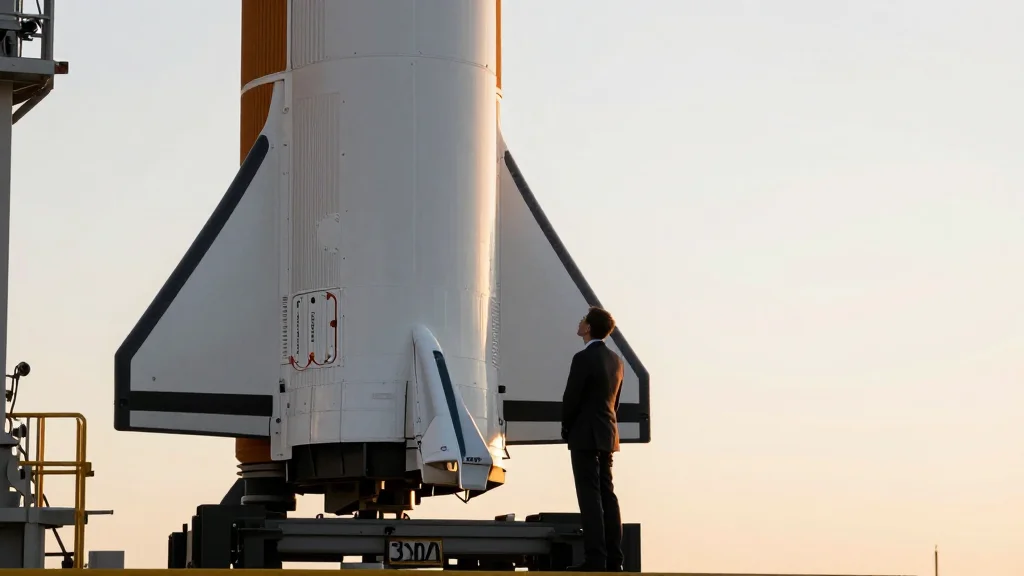
NASA Announces Realignment to Accelerate Mission Delivery
Why It Matters
The reorganization streamlines decision‑making and resource allocation, positioning NASA to meet accelerated Artemis and lunar‑base goals while preserving its scientific leadership. It signals a more agile federal agency capable of rapid response to emerging space‑industry opportunities.
Key Takeaways
- •NASA merges Exploration Systems and Space Operations into Human Spaceflight Directorate
- •Research & Technology directorate now combines Aeronautics and Space Technology missions
- •Mission directorates will report directly to Administrator, boosting agency agility
- •Associate Administrator also serves as chief engineer, reinforcing technical decision‑making
- •No layoffs or program cuts; cost savings targeted through efficient execution
Pulse Analysis
The 2026 National Space Policy, codified by President Trump's Executive Order, set an aggressive timetable for Artemis, a permanent lunar base, nuclear propulsion, and an expanding orbital economy. By demanding faster, more coordinated action, the policy has pressured NASA to shed bureaucratic layers that slow development cycles. This backdrop explains why the agency chose a sweeping realignment: to concentrate talent, streamline funding streams, and ensure that critical technologies—such as the SR‑1 nuclear reactor—reach flight readiness on schedule.
Under the new structure, NASA’s Human Spaceflight Mission Directorate now unites Exploration Systems Development with Space Operations, creating a single chain of command for low‑Earth‑orbit and lunar missions. Simultaneously, the Research and Technology Directorate fuses Aeronautics and Space Technology, centralizing work on nuclear power, advanced propulsion, and next‑generation aircraft. Mission directorates will report straight to Administrator Jared Isaacman, while Associate Administrator Amit Kshatriya also serves as chief engineer, tightening technical oversight. The agency projects cost savings through reduced duplication, faster procurement, and a stronger internal workforce, all without any layoffs or program cancellations.
For industry partners and international collaborators, the realignment promises clearer points of contact and faster decision cycles, potentially accelerating joint ventures in lunar infrastructure and deep‑space exploration. NASA’s emphasis on insourcing and expanding its intern pipeline signals a long‑term commitment to building a skilled, home‑grown talent pool. As the agency tightens its focus on high‑impact missions, commercial space firms can expect more predictable timelines and opportunities to contribute to the nation’s strategic objectives in space. This shift may also influence private investment, as a more agile NASA becomes a reliable anchor for the emerging orbital economy.
NASA Announces Realignment to Accelerate Mission Delivery
Comments
Want to join the conversation?
Loading comments...