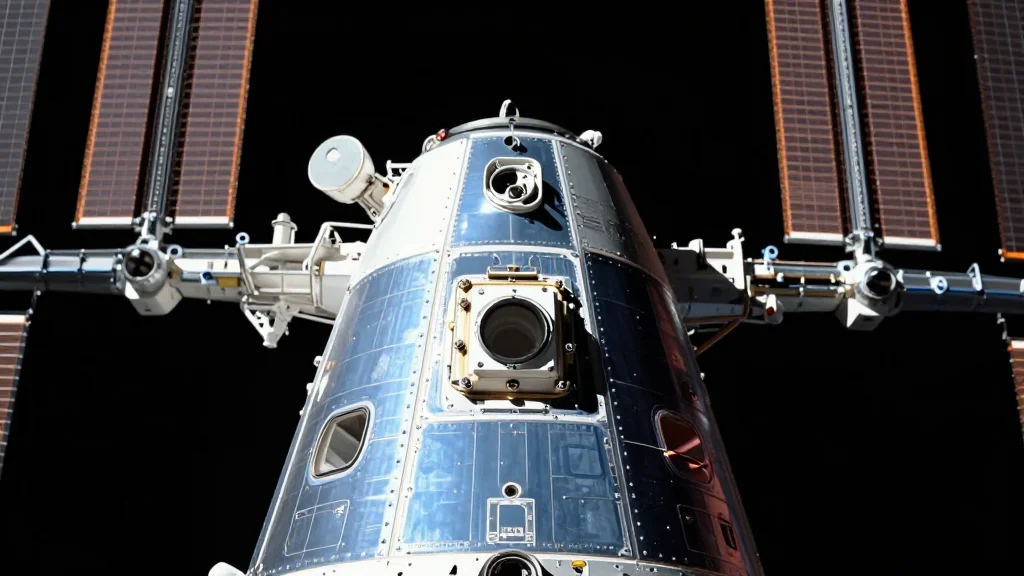
NASA Crew Briefly Shelters Inside Dragon Capsule as Russia Addresses New Space Station Leaks
Why It Matters
The incident underscores the ongoing maintenance risks of the aging ISS and the importance of rapid, cooperative response between NASA and Roscosmos to safeguard crew safety and mission continuity.
Key Takeaways
- •NASA moved Crew-12 and Chris Williams into Dragon Freedom for safety
- •Leaks were detected in the Russian Zvezda module’s PrK transfer tunnel
- •Roscosmos opted for measurements only, canceling the “safe haven” shelter plan
- •Dragon’s flexible seating could accommodate an extra astronaut if needed
- •Incident underscores ISS maintenance challenges and US‑Russia collaboration
Pulse Analysis
The International Space Station’s Russian segment has long been a weak point, with the Zvezda service module’s PrK transfer tunnel experiencing intermittent cracks and micro‑leaks over the past six years. This latest detection prompted Roscosmos to launch a more extensive repair operation, forcing NASA to adopt a precautionary “safe haven” posture. While the ISS’s multinational architecture enables rapid response, the episode reveals how aging hardware can still trigger significant operational disruptions, especially when the station’s pressurization integrity is at stake.
NASA’s decision to shelter the Crew‑12 astronauts and NASA astronaut Chris Williams inside SpaceX’s Dragon Freedom capsule illustrates the commercial crew program’s built‑in redundancy. Dragon’s interior can be reconfigured quickly, as demonstrated during the Starliner Crew Flight Test when makeshift seats were installed for extra crew. This flexibility not only provides a viable escape route but also reinforces confidence in private‑sector vehicles as integral components of low‑Earth‑orbit safety strategies. The brief relocation involved sealing the Node 2 hatch, establishing Dragon‑to‑ground communications, and confirming pre‑ingress procedures, showcasing a well‑rehearsed emergency workflow.
Beyond the immediate safety concerns, the incident has broader implications for ISS operations and future partnership dynamics. A cancelled “safe haven” plan signals that Roscosmos and NASA can adjust tactics in real time, preserving crew schedules and minimizing downtime for scientific payloads. However, recurring leaks may pressure the timeline for the station’s eventual de‑orbit or transition to commercial successors. Stakeholders in the commercial crew market will watch closely, as any prolonged disruption could affect launch manifests, crew rotations, and the economics of low‑Earth‑orbit services. Continued collaboration and transparent risk mitigation remain essential to sustaining the ISS’s role as a premier research platform through the late 2020s.
NASA crew briefly shelters inside Dragon capsule as Russia addresses new space station leaks
Comments
Want to join the conversation?
Loading comments...