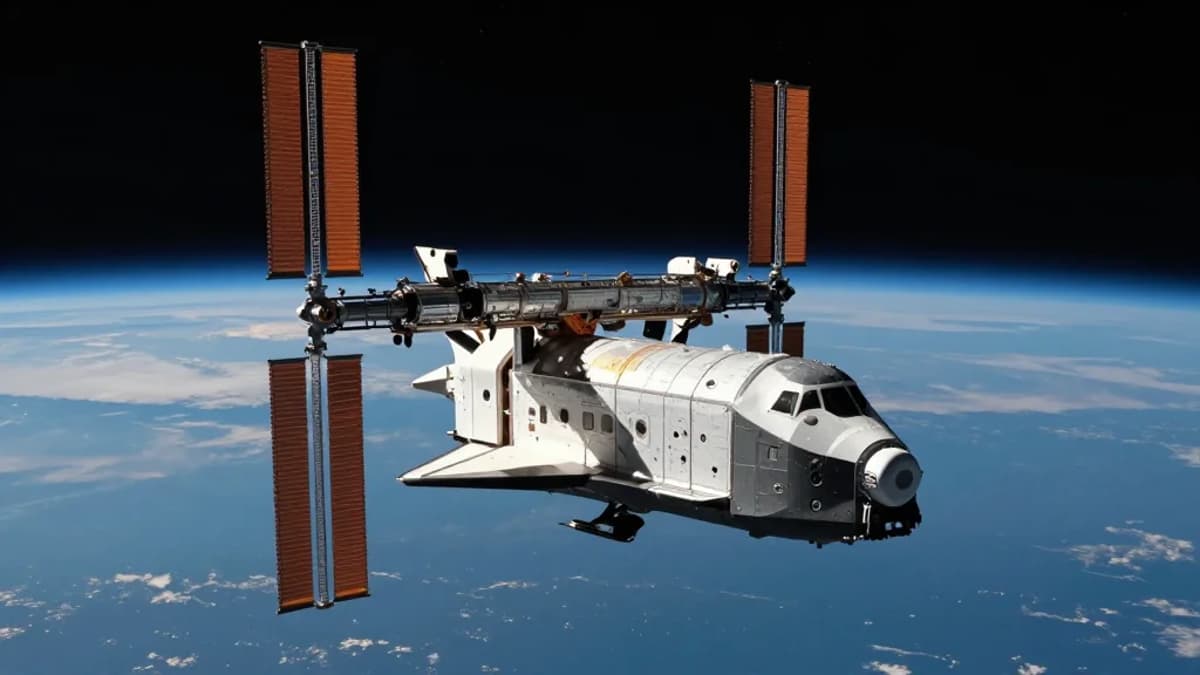
NASA Must Delay Deorbiting the ISS, U.S. Lawmakers Say
•March 6, 2026
0
Why It Matters
Extending the ISS safeguards U.S. human‑spaceflight capability and forces faster development of commercial stations, crucial for maintaining strategic leadership in LEO.
Key Takeaways
- •Senate draft pushes ISS retirement to 2032.
- •Deorbit blocked until commercial station operational.
- •SpaceX contract $843M for ISS disposal by 2031.
- •NASA must issue requirements within 60 days, contracts 180 days.
- •Delays risk U.S. losing LEO human‑flight capability.
Pulse Analysis
The push to delay the International Space Station’s retirement reflects growing congressional anxiety over a looming gap in America’s low‑Earth‑orbit (LEO) capabilities. Built in the late 1990s, the ISS has exceeded its original 15‑year design life, and while NASA and its partners aim to keep it running through 2030, the Senate’s draft amendment seeks to push that horizon to 2032. By tying the station’s deorbit to the readiness of a commercial replacement, lawmakers are sending a clear signal that the United States cannot afford a hiatus in long‑duration human spaceflight.
Commercial developers are now under unprecedented pressure to deliver viable orbital habitats. SpaceX, already awarded an $843 million contract to safely dismantle the ISS by 2031, must also contend with Axiom Space’s plan to transform an ISS module into an independent station, and the lingering promise of inflatable habitats from the defunct Bigelow Aerospace. The draft bill imposes tight deadlines—requirements within 60 days, proposals in 90, and contracts within 180—forcing NASA to accelerate procurement and certification processes. These accelerated timelines could strain budgets but also catalyze innovation, potentially shortening the path to a fully private LEO platform.
If the legislation passes, the United States would retain a continuous human presence in orbit, preserving scientific research, technology testing, and geopolitical influence. Conversely, failure to secure a commercial successor before the ISS’s eventual deorbit could cede LEO dominance to rivals such as China’s Tiangong station. The outcome will shape the next decade of space policy, investment, and international collaboration, underscoring why the ISS’s fate remains a pivotal issue for both policymakers and the emerging commercial space sector.
NASA must delay deorbiting the ISS, U.S. lawmakers say
0
Comments
Want to join the conversation?
Loading comments...