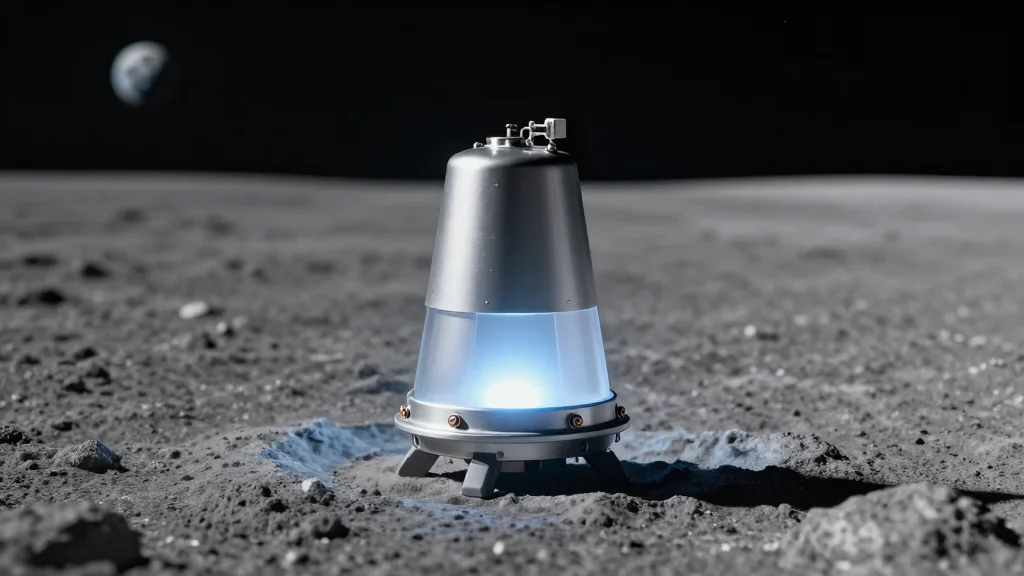
NASA Targets 2030 Moon Nuclear Reactor to Power Lunar Base

Why It Matters
A functional lunar nuclear reactor would transform the economics of Moon operations, turning the surface from a short‑term testbed into a sustainable habitat for science, industry and exploration. Reliable power would enable continuous operation of habitats, 3‑D printing facilities, and hydrogen production, accelerating the timeline for a Mars launch window. Moreover, the move signals a geopolitical shift, as nuclear capability becomes a strategic asset in the emerging contest for lunar resources and influence. If the United States succeeds, it could set standards for safety, licensing and international cooperation that shape future off‑world nuclear deployments. Conversely, a failure or delay could cede leadership to China and Russia, reshaping the balance of power in cislunar space and potentially prompting new treaties or regulatory frameworks to govern nuclear activities beyond Earth.
Key Takeaways
- •NASA aims to deliver a lunar nuclear reactor by 2030, capable of powering 80 U.S. households.
- •The reactor is intended for the Moon’s south pole to support Artemis‑era permanent bases.
- •China and Russia plan a competing lunar reactor by 2035 for their International Lunar Research Station.
- •Experts warn the accelerated schedule could skip critical safety and design steps.
- •Successful deployment would enable continuous power for habitats, mining, and deep‑space launch infrastructure.
Pulse Analysis
NASA’s lunar reactor plan reflects a broader trend of treating space as an extension of national infrastructure rather than a purely scientific frontier. By anchoring power generation on the Moon, the United States can decouple future missions from the logistical constraints of Earth‑based supply chains, a factor that has historically limited the scale of off‑world operations. The decision to pursue fission—rather than emerging technologies like small modular reactors or advanced solar‑thermal systems—signals confidence in a mature, high‑density energy source that can survive the Moon’s 14‑day night.
Historically, nuclear propulsion and power have been contentious, from the 1978 SNAP‑10A failure to the Soviet RORSAT program’s debris incidents. NASA’s current approach must therefore navigate legacy concerns while leveraging decades of terrestrial reactor safety experience. The involvement of the Department of Energy and private firms suggests a hybrid model that could reduce development risk but also introduces coordination challenges across agencies with differing risk tolerances.
Geopolitically, the timeline pits the U.S. against a coordinated Sino‑Russian effort, turning lunar power into a proxy for broader strategic competition. If the U.S. meets its 2030 deadline, it will set a de‑facto standard for lunar power architecture, potentially influencing international norms and export controls on space‑grade nuclear materials. A missed deadline, however, could erode U.S. credibility, embolden rivals, and accelerate calls for a multilateral treaty governing nuclear activities beyond Earth. In either scenario, the next few years will be decisive for the future of cislunar commerce, scientific research, and the emerging space security architecture.
NASA Targets 2030 Moon Nuclear Reactor to Power Lunar Base
Comments
Want to join the conversation?
Loading comments...