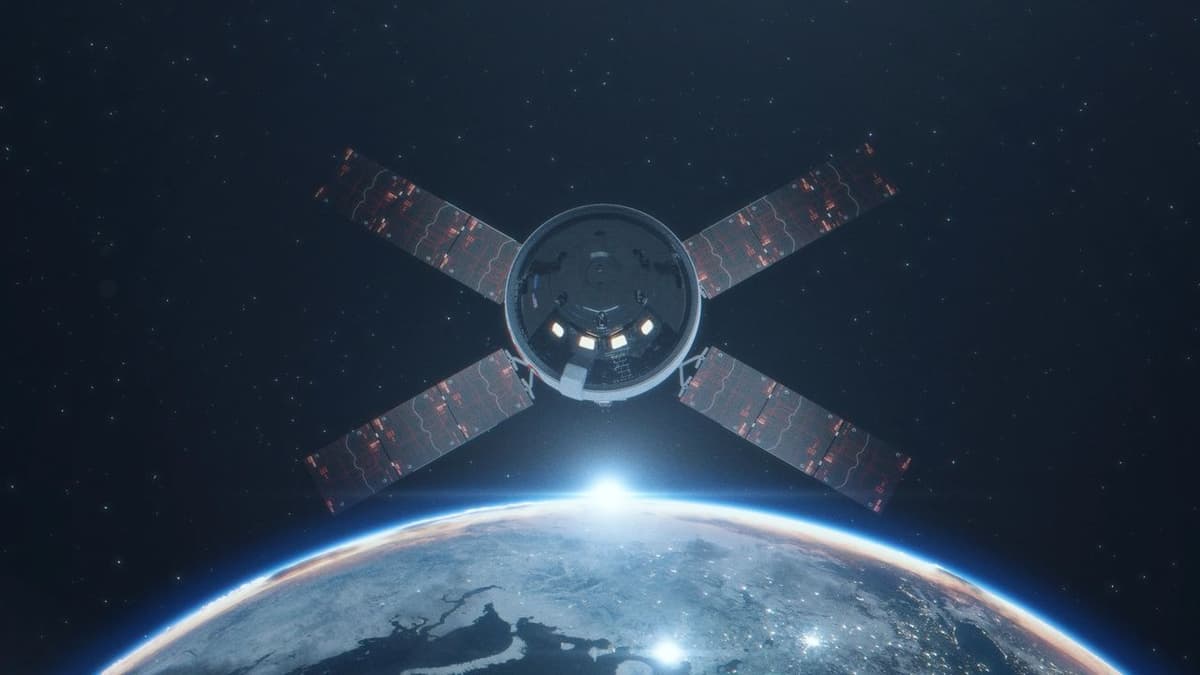
NASA Will Reveal the Artemis 3 Astronauts on June 9
Companies Mentioned


Why It Matters
The crew reveal and Earth‑orbit docking test validate the commercial‑partnered architecture that underpins NASA’s long‑term lunar presence, influencing timelines, technology choices, and industry investment.
Key Takeaways
- •NASA to announce Artemis 3 crew on June 9, 2024.
- •Artemis 3 will test Orion docking with Starship or Blue Moon in Earth orbit.
- •Mission targets mid‑2027 launch, paving way for Artemis 4 lunar landing.
- •Over $1 billion awarded for rovers, landers, and lunar base infrastructure.
- •Base planned to span hundreds of square miles near lunar south pole.
Pulse Analysis
The Artemis program, NASA’s flagship effort to return humans to the Moon, has undergone a strategic pivot. Rather than landing directly on the lunar surface, Artemis 3 will first conduct a rendezvous and docking demonstration in Earth orbit between the Orion crew capsule and one of the program’s new lunar landers—SpaceX’s Starship or Blue Origin’s Blue Moon. This test validates the integrated architecture that will be essential for subsequent missions, ensuring that crew can safely transfer between vehicles before attempting the more complex lunar descent.
The crew roster will be unveiled on June 9, 2024, at Johnson Space Center, giving the public a glimpse of the four astronauts who will train for a mid‑2027 launch. Announcing the team a full year before liftoff mirrors the timeline used for Artemis 2, allowing ample time for mission‑specific training and integration with commercial partners. The involvement of both SpaceX and Blue Origin underscores NASA’s “dual‑ladder” approach, fostering competition while spreading risk. Whether Starship or Blue Moon flies on Artemis 3 will shape the design of the subsequent Artemis 4 landing near the lunar south pole.
In parallel with the crew announcement, NASA awarded more than $1 billion in contracts for lunar rovers, landers, and infrastructure needed to build a sustainable base covering hundreds of square miles at the Moon’s south pole. These procurements accelerate the development of commercial hardware and signal a shift toward a permanent, science‑driven presence rather than short‑term visits. For the aerospace industry, the influx of federal dollars and the promise of long‑term operations create new market opportunities, from habitat construction to in‑situ resource utilization, potentially reshaping the economics of deep‑space exploration.
NASA will reveal the Artemis 3 astronauts on June 9
Comments
Want to join the conversation?
Loading comments...