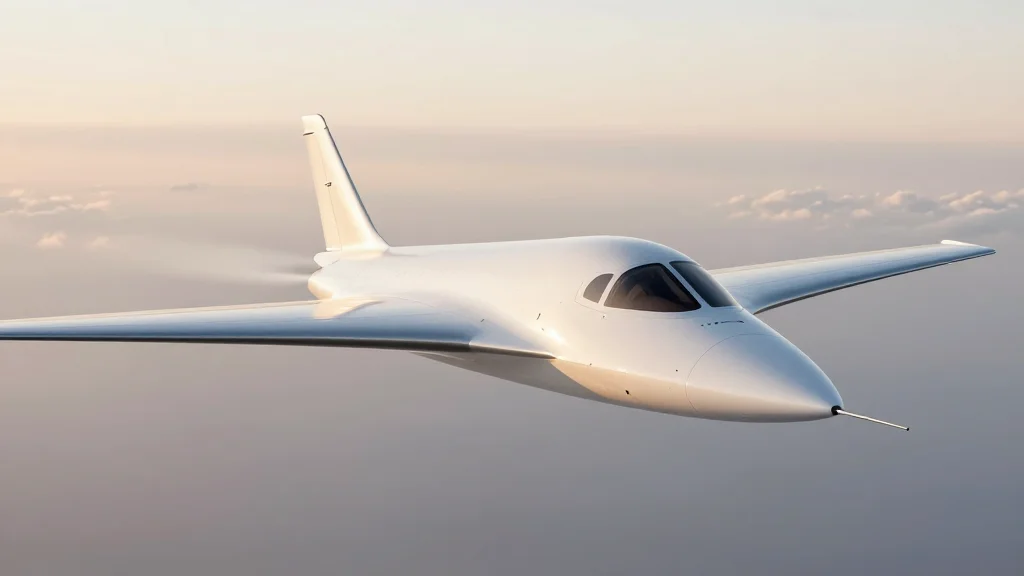
NASA’s X‑59 Quiet Supersonic Jet Breaks Sound Barrier in First Supersonic Flight

Companies Mentioned
Why It Matters
The X‑59’s supersonic breakthrough tackles the long‑standing barrier of public noise opposition that has kept commercial supersonic flight grounded for decades. By providing empirical data on how a reduced‑boom signature is perceived, NASA is equipping regulators with the evidence needed to revise the 1973 FAA ban, which could unlock lucrative trans‑oceanic and trans‑continental routes for airlines. Beyond regulatory change, the program demonstrates how government‑industry partnerships can de‑risk high‑cost, high‑risk technologies. The $247.5 million investment in Lockheed Martin’s design showcases confidence that a quiet supersonic aircraft can be both technically feasible and commercially attractive, potentially spurring private capital into the sector and accelerating the timeline for next‑generation airliners.
Key Takeaways
- •NASA’s X‑59 reached Mach 1.1 (713 mph) on June 5, its first supersonic flight.
- •The 81‑minute test flew at 43,400 feet and was monitored by an F‑15 chase plane.
- •Program funded by a $247.5 million Lockheed Martin contract awarded in 2024.
- •Next phase will target Mach 1.4 (925 mph) at 55,000 feet to collect public perception data.
- •Data could lead to new FAA noise standards, reopening over‑land supersonic travel.
Pulse Analysis
NASA’s X‑59 marks a pivotal inflection point for the supersonic market, shifting the conversation from pure performance to societal acceptance. Historically, the Concorde’s demise was as much a political and environmental story as a technical one; the loud boom and high fuel burn made it a target for regulators and activists. By engineering a vehicle that replaces the boom with a barely audible thump, NASA is directly addressing the most intractable objection—noise.
The $247.5 million contract underscores the federal government’s willingness to shoulder early‑stage risk, but the real catalyst will be the data from community over‑flights. If surveys show that the thump is tolerable, airlines could justify the higher operating costs of supersonic jets with premium pricing on speed‑sensitive routes. Conversely, a negative public response would force a redesign or a pivot to niche markets such as business aviation, where noise constraints are less stringent.
Competitors in the private sector, from Boom Supersonic to Aerion (now defunct), have been betting on a regulatory reopening that never materialized. NASA’s open‑source data could level the playing field, allowing smaller firms to adopt the low‑boom design without reinventing the aerodynamic research. In the longer term, the X‑59 could become the template for a new generation of aircraft that blend speed with sustainability, reshaping airline network strategies and potentially compressing global travel times by hours.
The next six months will be decisive. Successful completion of the mission‑conditions flight and community testing will not only validate the technology but also provide the FAA with a scientific basis to amend its noise rules. That regulatory shift could unleash a wave of investment, reviving a market that has been dormant for half a century and redefining the economics of premium air travel.
NASA’s X‑59 Quiet Supersonic Jet Breaks Sound Barrier in First Supersonic Flight
Comments
Want to join the conversation?
Loading comments...