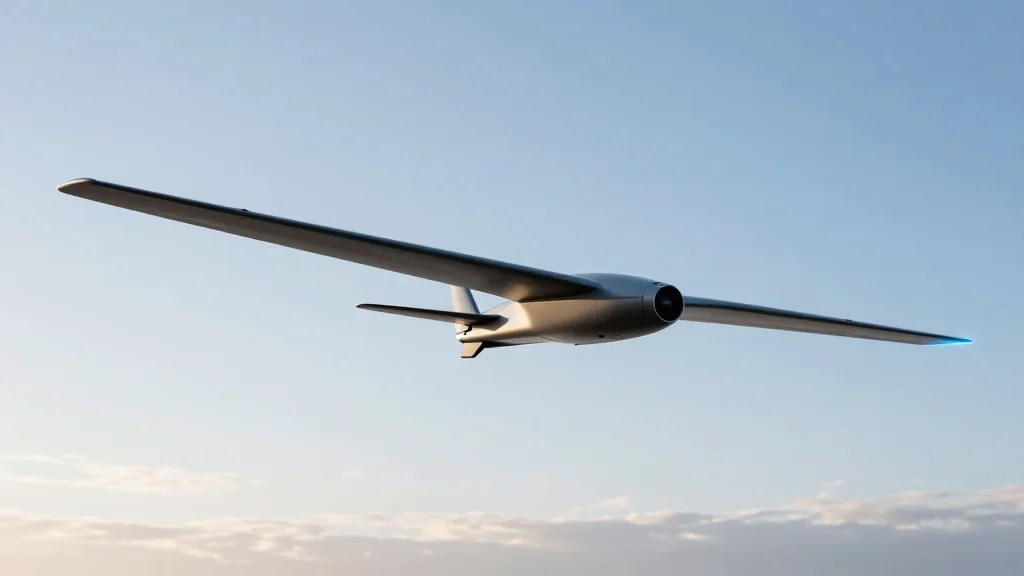
Northrop Flies XRQ-73 SHEPARD Hybrid Flying Wing for First Time
Companies Mentioned
Why It Matters
The successful flight demonstrates the viability of hybrid‑electric UAVs, promising longer missions with reduced fuel consumption and lower acoustic detectability—critical advantages for modern defense operations. It signals a shift toward greener, more efficient aerial systems across the military aerospace sector.
Key Takeaways
- •XRQ-73 SHEPARD completed its first flight test at Edwards AFB.
- •Hybrid electric system blends battery power with turbine for extended endurance.
- •Flying‑wing design reduces drag, boosting range and stealth characteristics.
- •Program targets intelligence, surveillance, and reconnaissance missions for the DoD.
- •Success could accelerate broader adoption of low‑emission military UAVs.
Pulse Analysis
Hybrid‑electric propulsion is emerging as a game‑changer in unmanned aerial systems, and Northrop Grumman’s XRQ-73 SHEPARD is at the forefront of this transition. By pairing a small turbine with high‑density batteries, the drone can switch between power sources to optimize fuel use and extend flight time without sacrificing performance. The first flight at Edwards AFB confirms that the integration of these disparate power modules is technically sound, paving the way for more ambitious test phases that will explore endurance, payload capacity, and autonomous flight controls.
The SHEPARD’s flying‑wing configuration further amplifies its strategic value. The high‑aspect‑ratio wing reduces aerodynamic drag, enabling higher cruise speeds while maintaining a low radar cross‑section—attributes prized in ISR missions. Hybrid propulsion also cuts acoustic emissions, making the platform harder to detect in contested environments. Engineers report that the electric boost provides rapid climb rates and quiet loitering, whereas the turbine sustains long‑range cruise, delivering a versatile performance envelope that rivals conventional UAVs.
From a market perspective, the successful test could accelerate defense procurement of low‑emission UAVs, aligning with broader Department of Defense sustainability goals. Industry observers anticipate that the demonstrated reliability of hybrid systems will spur investment in next‑generation platforms, potentially lowering lifecycle costs and expanding mission sets beyond surveillance to include electronic warfare and strike capabilities. As other manufacturers chase similar efficiencies, the XRQ-73 may set a benchmark for future aerial combat and intelligence assets, reshaping the competitive landscape of military aerospace.
Northrop Flies XRQ-73 SHEPARD Hybrid Flying Wing for First Time
Comments
Want to join the conversation?
Loading comments...