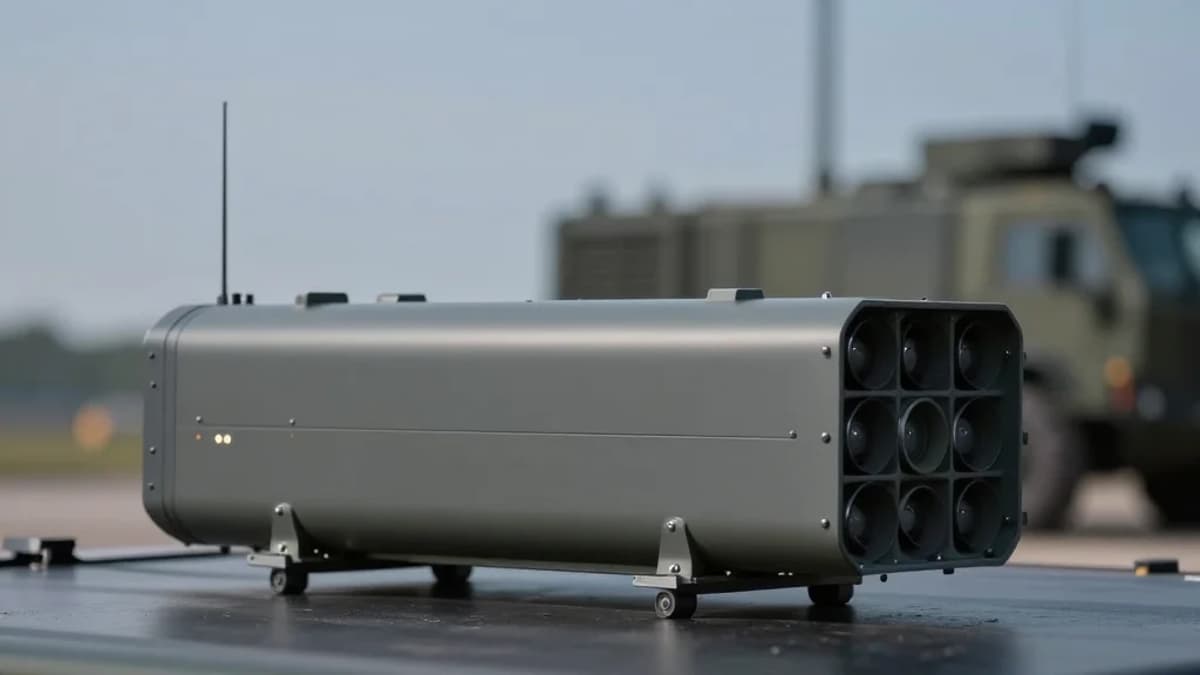
Northrop Grumman CIRCM System Selected for Germany’s CH-47 Chinook
•March 6, 2026
0
Why It Matters
The addition of CIRCM dramatically boosts German helicopter survivability, reinforcing NATO’s collective defense posture and expanding U.S. defense exports in Europe.
Key Takeaways
- •Germany orders 47 CIRCM units for CH‑47 fleet
- •CIRCM protects against infrared‑guided missiles via laser disruption
- •Over 700 systems worldwide, 70,000 flight hours, zero losses
- •Contract includes up to 60 CH‑47F Block II helicopters, $876 million
- •Open‑architecture design enables rapid upgrades for allies
Pulse Analysis
Germany’s decision to outfit its forthcoming CH‑47F Block II Chinooks with Northrop Grumman’s CIRCM reflects a broader NATO push to modernise rotary‑wing survivability. As the German Army phases out aging CH‑53G helicopters, the integration of advanced infrared counter‑measures ensures that its heavy‑lift capability remains viable against evolving missile threats, particularly in contested European airspaces. The $876 million procurement not only secures the aircraft but also embeds a proven defensive layer that aligns with alliance standards for mission readiness.
CIRCM’s core technology combines electro‑optical sensors with a high‑energy laser to jam the seeker heads of infrared‑guided missiles, effectively breaking the lock before impact. Its open‑architecture framework allows seamless software updates and integration across diverse platforms, from the AH‑64 Apache to the UH‑60 Black Hawk. With more than 700 installations worldwide and over 70,000 operational flight hours without a single loss, the system has demonstrated reliability in both combat and training environments, making it a compelling choice for allies seeking low‑maintenance, high‑effectiveness protection.
The German contract signals a growing appetite among European partners for U.S. survivability solutions, bolstering Northrop Grumman’s export pipeline and reinforcing transatlantic defence ties. As other NATO members evaluate similar upgrades, the scalability of CIRCM’s modular design positions it as a cornerstone for future joint‑force interoperability. Continued investment in rapid‑upgrade pathways will likely keep the system at the forefront of counter‑measure technology, ensuring that allied air assets retain a decisive edge against next‑generation infrared threats.
Northrop Grumman CIRCM system selected for Germany’s CH-47 Chinook
0
Comments
Want to join the conversation?
Loading comments...