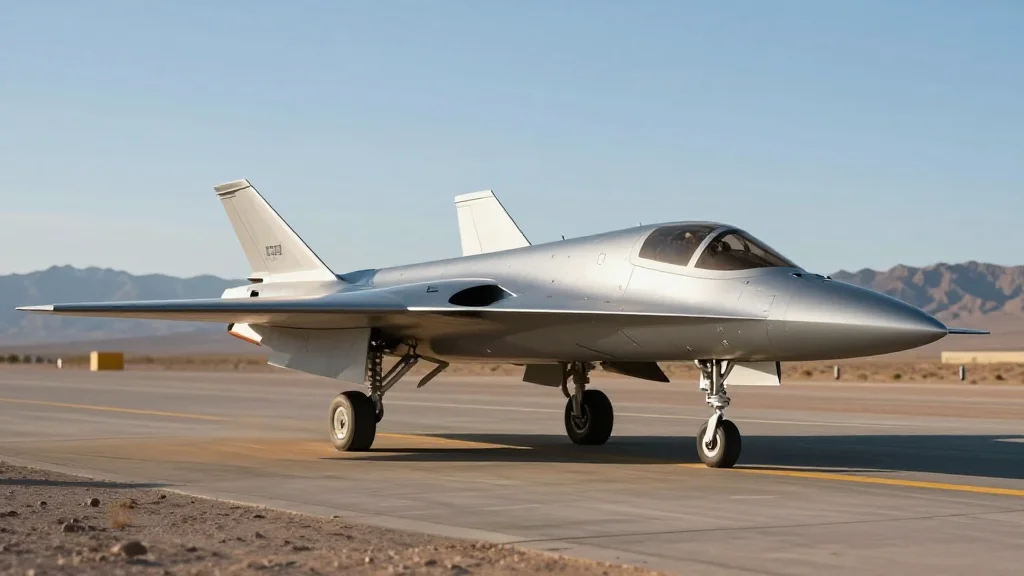
Northrop Grumman Unveils Talon IQ Testbed and Accelerates Glide Phase Interceptor

Companies Mentioned
Why It Matters
The Talon IQ™ testbed and Glide Phase Interceptor represent two critical pillars of modern defense: autonomous decision‑making and hypersonic threat mitigation. By proving autonomous flight adjustments in a real‑world environment, Northrop Grumman could accelerate the deployment of unmanned combat systems that reduce pilot workload and increase mission survivability. Simultaneously, a functional glide‑phase interceptor would fill a glaring gap in current missile‑defense architectures, offering a pre‑emptive strike capability against weapons that can outpace traditional interceptors. Together, these programs could reshape U.S. and allied defense postures, compelling rivals to invest in counter‑autonomy measures and more advanced offensive missiles. If successful, the technologies could also drive commercial spin‑offs in autonomous navigation, high‑speed data processing, and advanced materials, reinforcing the broader aerospace ecosystem. Conversely, delays or technical setbacks could embolden adversaries and force the Pentagon to allocate additional resources to alternative solutions, potentially reshaping the competitive landscape among major defense contractors.
Key Takeaways
- •Talon IQ™ autonomous testbed became operational in Mojave on April 16, 2026
- •Collaboration with Applied Intuition and Accelint provides real‑time in‑flight adjustments
- •Contract modification on April 15, 2026 accelerates Glide Phase Interceptor development
- •Interceptor targets hypersonic glide vehicles during the missile’s glide phase
- •Upcoming flight tests slated for late 2026; prototype intercept demo planned for early 2027
Pulse Analysis
Northrop Grumman’s twin announcements are a strategic response to two converging threats: the rise of autonomous warfare and the proliferation of hypersonic missiles. Historically, the U.S. has lagged in fielding truly autonomous combat platforms, relying on human‑in‑the‑loop controls that can be a bottleneck in high‑speed engagements. By delivering a testbed that can re‑configure its behavior mid‑flight, Northrop is not only showcasing a technological edge but also positioning itself to capture future contracts that demand plug‑and‑play autonomy for a range of platforms, from UAVs to space‑based assets.
The Glide Phase Interceptor addresses a capability gap that has long plagued missile defense. Traditional systems focus on boost‑phase or terminal‑phase interception, leaving the glide phase—where hypersonic weapons can maneuver and accelerate—largely unprotected. If Northrop can demonstrate a reliable intercept during this window, it could set a new benchmark for missile defense, forcing adversaries to develop even more sophisticated counter‑measures. This could trigger a new arms race in both offensive hypersonic technology and defensive interceptors, reshaping procurement priorities across the Pentagon and allied nations.
From a market perspective, the announcements could shift the competitive dynamics among the "big three" defense contractors. Lockheed Martin’s recent autonomous aircraft prototypes and Raytheon’s hypersonic interceptor concepts will now have to contend with Northrop’s integrated approach that couples autonomy with missile defense. Investors and analysts will likely monitor Northrop’s upcoming test milestones as leading indicators of the company’s ability to convert R&D breakthroughs into revenue‑generating programs, especially as the FY 2027 defense budget looms.
Northrop Grumman Unveils Talon IQ Testbed and Accelerates Glide Phase Interceptor
Comments
Want to join the conversation?
Loading comments...